

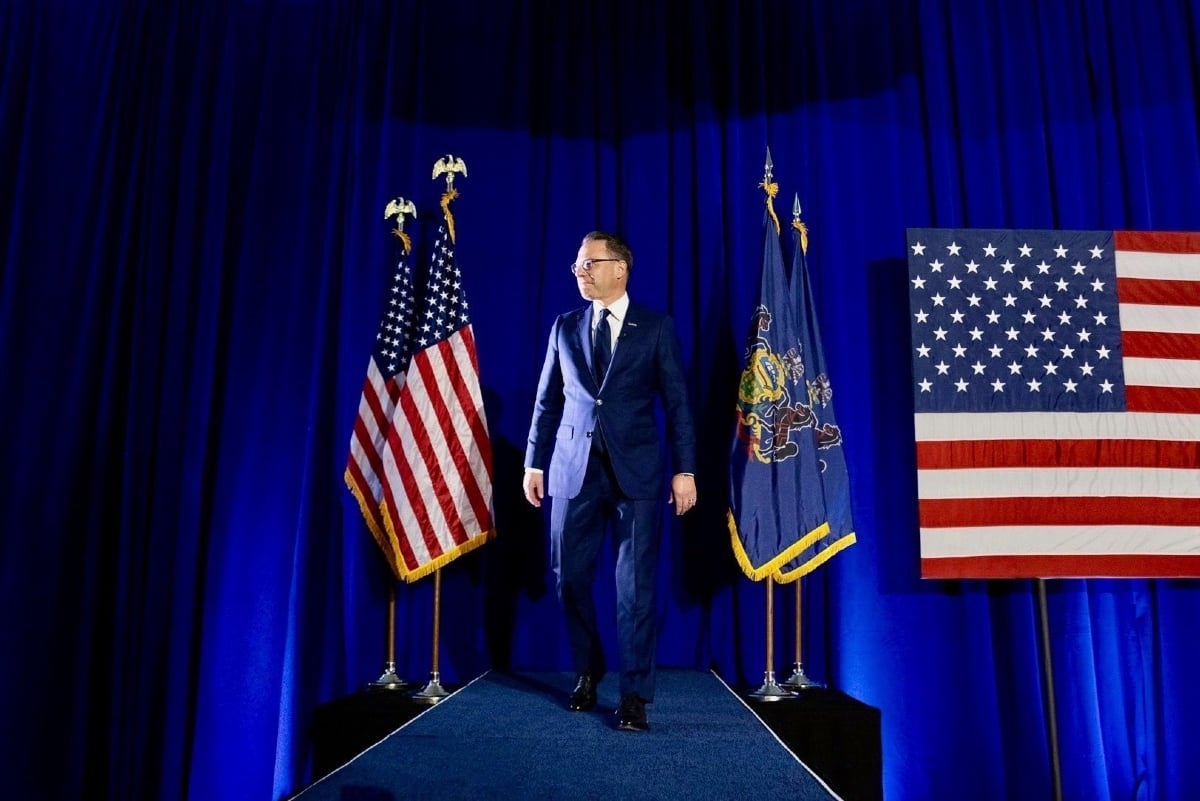
Based on reporting by Casino.org →
Pennsylvania's skill game industry faces a pivotal moment as Democrats consolidate control of state government following November 2026 midterm elections. The shift in political power could reverse the sector's fortunes after months of regulatory uncertainty and enforcement crackdowns.
The state's skill games landscape fractured following a June 2026 Pennsylvania Supreme Court ruling that classified devices incorporating skill elements as illegal slot machines under the state's Gaming Act. The decision upended operations for thousands of bars, fraternal clubs, and small businesses that had relied on the machines. State lawmakers attempted to pass regulatory legislation before a 120-day safe harbor period expired on October 14, but political gridlock in Harrisburg prevented any bill from reaching Governor Josh Shapiro's desk.
With Democrats now holding a 26-24 Senate majority and at least 111 House seats out of 203 when the General Assembly convenes January 5, 2027, the party will control both legislative chambers and the governor's office simultaneously for the first time since 1993. This alignment removes what industry observers and media outlets widely identified as the primary legislative impediment: Republican Senate resistance to a unified regulatory framework.
Governor Shapiro has consistently advocated for legalizing and taxing skill games, though his proposed 52% state tax rate has drawn substantial opposition from industry advocates. The governor's office estimates such a tax would generate approximately $766 million in state revenue during the first year of implementation. Shapiro's budget requests have increased throughout his administration, with the 2026-27 fiscal year spending plan representing a 5.4% year-over-year increase.
Skill game advocates, including organizations such as the Pennsylvania Skill Alliance, Pennsylvania Amusement and Music Machine Association, and Pennsylvania Taverns and Players Association, have called for a significantly lower tax rate. These groups argue that a fair tax structure would allow the machines to continue supporting small business operations, employment, and community economic resilience while remaining competitive with broader inflation pressures.
Licensed Pennsylvania casinos have taken the opposing stance, contending that unregulated skill games cannibalize their brick-and-mortar slot machine revenue. Casino operators have questioned the disparity between millions paid in licensing fees and neighborhood businesses operating competing machines without equivalent regulatory or financial barriers. The Pennsylvania Lottery similarly opposes skill game legalization.
Problem gambling advocates have also raised concerns. Gamblers Anonymous chapters reported a surge in problem gambling linked to skill machines, with the majority of new members citing the devices as a driver of addiction or relapse.
Enforcement data suggests the October 14 ban achieved substantial compliance. Pennsylvania State Police inspected 12,202 businesses known to house skill games and found 12,134 locations had removed machines, representing a 99.4% compliance rate. Authorities seized 14 machines and $1,913 in cash across noncompliant sites and warned businesses against circumventing the ban through cashless or sweepstakes terminal workarounds.
The political dynamics heading into 2027 suggest renewed legislative momentum for skill game regulation. Whether Democrats can forge consensus around a tax rate and regulatory framework acceptable to all stakeholders remains an open question for the coming legislative session.
Source
Casino.orgRelated stories
Military Culture and Stigma Suppress Early Gambling Problem Detection, Study Finds
Wisconsin Online Sports Betting Delayed as Legal Challenge Scheduled for April 2027

Atlantic City Opposes $3B Meadowlands Convention Center, Citing Internal Competition Threat
Cortez Masto Accuses CFTC of Undermining State Gambling Authority to Benefit Trump Family
More on CasinoAdvisor