

Based on reporting by Casino.org →
A growing body of evidence suggests that gambling-related financial harm poses a distinct threat to military populations, yet systemic barriers within military culture may prevent service members and veterans from accessing timely intervention. According to research from the Kindbridge Research Institute's Financial Stability and Responsible Gaming Initiative (FSRG) and Stigma Stand Down (SSD), military personnel face compounded risks from both elevated susceptibility to gambling disorders and cultural pressures that discourage help-seeking behavior.
The study, titled Gambling-Related Financial Harm in Military Communities, identifies multiple converging factors that put military populations at heightened risk. The six military branches skew toward younger, predominantly male demographics - populations already identified as most susceptible to problematic gambling behavior. Beyond demographics, military service itself creates conditions ripe for gambling vulnerability. Service members face elevated stress, trauma exposure, frequent relocation, and extended family separation. Military culture, characterized by the study as "competitive by design," cultivates an environment where service members may embrace gambling risks that civilian populations would typically avoid.
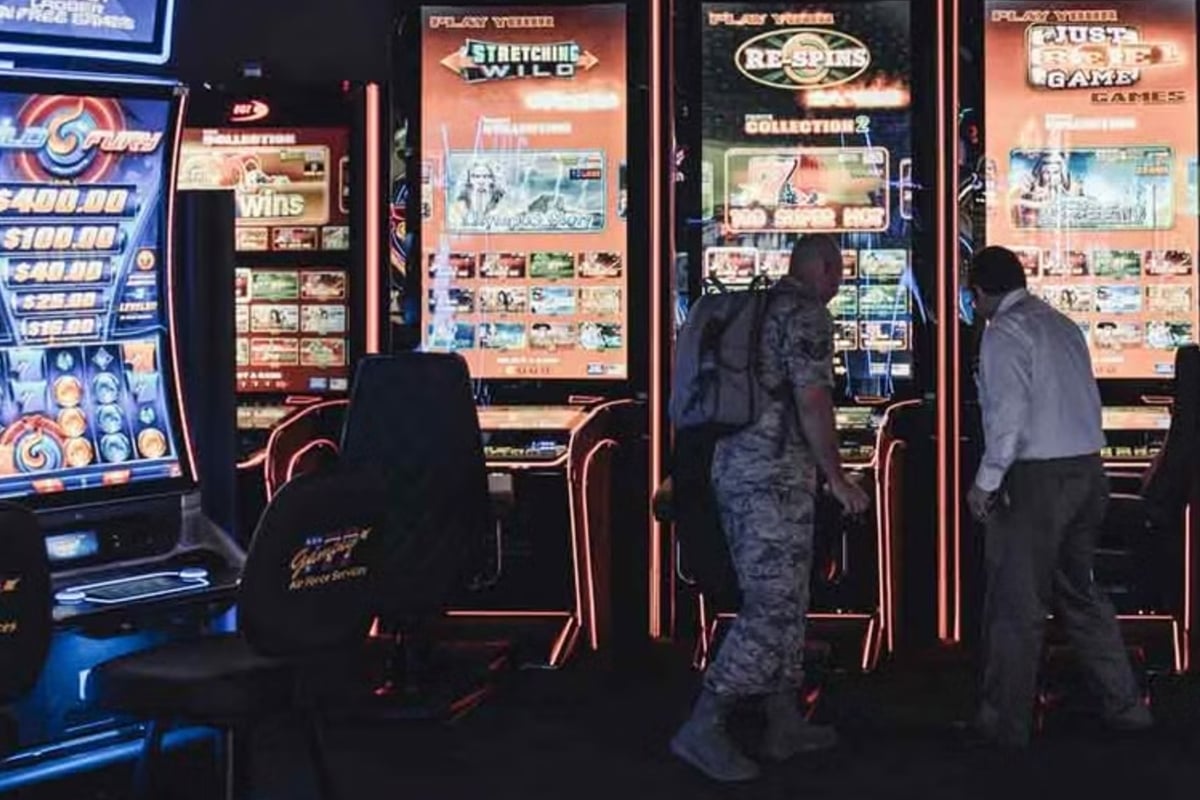
The accessibility of gambling on military installations compounds these vulnerabilities. The Department of Defense operates an estimated 3,000 slot machines across overseas military bases, generating over 100 million dollars annually for the federal government - funds the DoD claims are reinvested into morale, welfare, and recreation programs. This institutional normalization of gambling, combined with the high-stress military environment, creates a particularly risky context for problem gambling development.
Critically, the study highlights how gambling disorders often develop asymptomatically until a financial or personal crisis forces the issue into public view. For military personnel, the stigma surrounding behavioral health issues and career advancement concerns create powerful disincentives to seek help proactively. Service members fear that acknowledging gambling problems may damage their professional reputation, jeopardize security clearances, or invite disciplinary action rather than support.
The FSRG and SSD research teams have proposed concrete recommendations for the armed forces to address these gaps. Their recommendations emphasize reducing stigma through structural and cultural changes: integrating anonymous third-party nonprofit services for self-assessment and telehealth treatment; training unit commanders to recognize problem gambling warning signs and reframe help-seeking as a readiness issue rather than a disciplinary matter; and incorporating gambling screening questions into routine military medical and psychological evaluations.
These findings arrive at a moment when military gambling exposure continues expanding. The proliferation of sports betting and online gambling presents new pathways for problem development beyond traditional casino gaming on military bases.
The gap between risk and intervention represents a critical operational and welfare concern that extends beyond individual wellbeing. Unaddressed gambling-related financial harm can cascade into debt crises, security vulnerabilities, and impaired unit readiness. The study's emphasis on anonymity and reframing help-seeking as a readiness asset rather than a weakness suggests that implementing these recommendations would align with broader military priorities around force readiness and personnel sustainability. The challenge now lies in implementation within institutional contexts where cultural change moves incrementally.
Source
Casino.orgRelated stories
Wisconsin Online Sports Betting Delayed as Legal Challenge Scheduled for April 2027

Atlantic City Opposes $3B Meadowlands Convention Center, Citing Internal Competition Threat
Cortez Masto Accuses CFTC of Undermining State Gambling Authority to Benefit Trump Family

Texas Files Gaming Amendment Bill Ahead of 2027 Legislative Session
More on CasinoAdvisor