

Based on reporting by Casino.org →
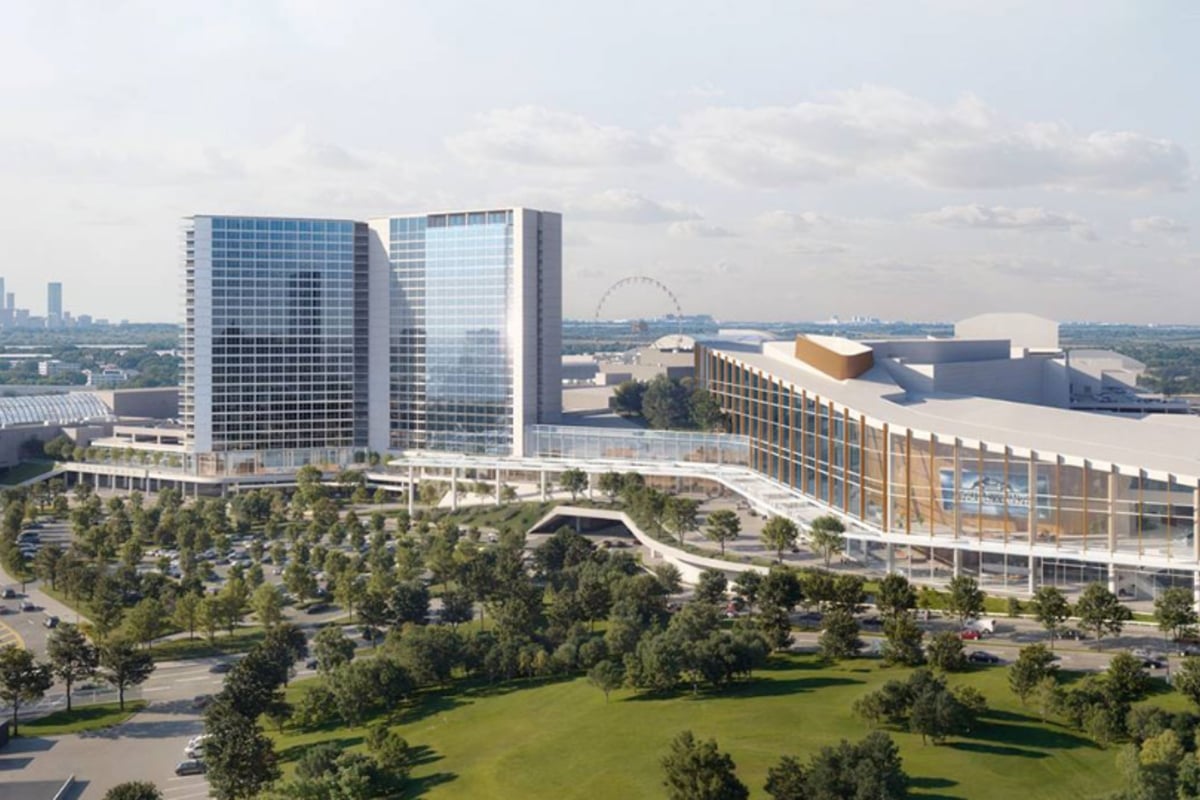
A two-year feasibility study has concluded that a $3 billion convention center at the Meadowlands Sports Complex in East Rutherford, New Jersey, would deliver $30.4 billion in long-term economic benefits and attract approximately two million annual visitors to the region. The assessment, published by the Meadowlands Regional Chamber of Commerce and conducted by MICE consultants alongside architectural, engineering, and financial advisors, projects the facility would host 313 annual events, generate over $3 billion in yearly state and local tax revenue, and support more than 3,700 permanent jobs plus nearly 5,000 construction positions.
The proposed complex would feature approximately 460,000 square feet of convention and event space, a 5,000-seat flexible concert venue, a 1,000-room hotel, on-site structured parking, integrated transportation infrastructure, and a "Meadow Walk" outdoor activation area. The development would primarily replace the former Izod Center, which closed permanently in April 2015.
However, Atlantic City officials are voicing strong opposition to the project, arguing it would create unnecessary competition for their existing convention center infrastructure. Atlantic County Executive Dennis Levinson wrote Governor Mikie Sherrill in September urging her to reconsider state financial backing, citing the Sheraton Hotel at the Atlantic City Convention Center as being at risk of closure without state funding. Levinson questioned why New Jersey would invest taxpayer dollars to create competing capacity rather than strengthen existing regional assets already facing headwinds from three approved casinos in the New York City area.
During this week's unveiling of the scoping assessment, Meadowlands officials responded sharply to Atlantic City's resistance. Ron Simoncini, a real estate public affairs consultant and spokesman for the Meadowlands Chamber of Commerce, rejected arguments that Atlantic City remains relevant, stating that "its decay is a result of its irrelevance." He also disputed claims from New Jersey Assemblyman Don Guardian (R-Atlantic City) and former Atlantic City mayor that no convention organizer would host events "in the asphalt-laden swamps of New Jersey," and argued Atlantic City lacks any coherent revitalization strategy beyond requesting additional state support.
The conflict reflects a broader regional tension within New Jersey's gaming and hospitality ecosystem. Atlantic City has faced declining relevance in the Northeast gaming market over the past decade, while the state considers investment in new competitive capacity. The state must now decide whether to proceed with funding a working group that would collaborate with the New Jersey Economic Development Authority, Sports and Exposition Authority, and other agencies to advance the Meadowlands project.
This dispute underscores a critical challenge for state gaming markets: whether new convention and hospitality infrastructure generates net economic growth or merely redistributes existing demand among properties. The outcome will influence how New Jersey allocates limited public resources and could set precedent for similar intrastate competition debates across the country.
Source
Casino.orgRelated stories
Military Culture and Stigma Suppress Early Gambling Problem Detection, Study Finds
Wisconsin Online Sports Betting Delayed as Legal Challenge Scheduled for April 2027
Cortez Masto Accuses CFTC of Undermining State Gambling Authority to Benefit Trump Family

Texas Files Gaming Amendment Bill Ahead of 2027 Legislative Session
More on CasinoAdvisor