

Based on reporting by Casino.org →
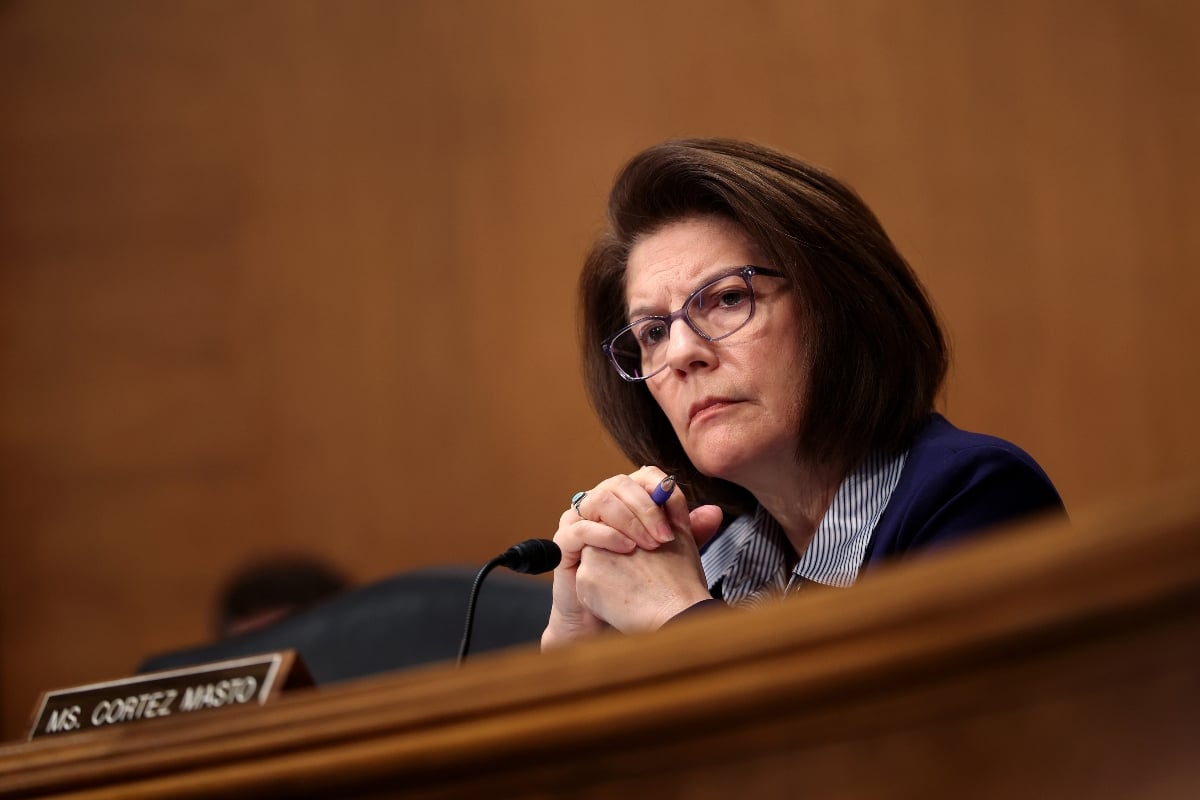
The regulatory landscape governing prediction markets has become a flashpoint in a broader dispute over federalism and gaming authority. U.S. Sen. Catherine Cortez Masto (D-Nev.) has escalated criticism of the Commodity Futures Trading Commission (CFTC), alleging that the agency is systematically undermining state and tribal sovereignty by pressuring prediction market operators to restore sports betting contracts in jurisdictions where courts have issued preliminary injunctions.
The controversy centers on a November 5 CFTC interpretation directing designated contract market (DCM) licensees to cease imposing geographic trading restrictions within 30 days. Prediction market platforms had recently suspended sports trading in certain jurisdictions following court rulings questioning whether sports contracts constitute illegal gambling under state consumer protection laws. The CFTC's intervention directly contradicts these judicial determinations, according to Cortez Masto.
Cortez Masto frames the CFTC's actions as a coordinated effort to benefit the Trump family, which she notes holds significant investment stakes in prediction market platforms. 'The Trump family is heavily invested in prediction market platforms. This move to undermine tribal and state sovereignty is intended to create profits for the president's family,' the senator stated. She further characterized the CFTC as 'encouraging companies to keep offering these bets in violation of court orders.'
CFTC Chairman Michael Selig counters that uniform national access to derivatives markets is a fundamental requirement of the Commodity Exchange Act (CEA). Selig argues that geographic restrictions undermine the core purpose of federal derivatives regulation and the CEA's impartial access requirements. Under his directive, platforms must either restore nationwide trading or submit detailed explanations to the CFTC's Division of Market Oversight explaining why compliance is not feasible.
This dispute reflects a long-standing tension in U.S. gambling regulation. State and tribal governments have historically maintained primary authority over gaming within their territories. Federal courts have repeatedly affirmed this principle in recent litigation. However, the prediction market industry operates under federal commodities law, creating jurisdictional overlap and competing regulatory claims.
Cortez Masto is not pursuing a solitary legislative path. In March, she cosponsored the bipartisan Prediction Markets Are Gambling Act alongside U.S. Sens. Adam Schiff (D-Calif.) and John Curtis (R-Utah). The proposed legislation would prohibit prediction markets from listing contracts that resemble sports bets or casino-style games, effectively removing sports event contracts from CFTC jurisdiction and returning full regulatory authority to states and tribes.
The senator's characterization of the CFTC as 'abdicating its responsibility to prevent illegal gaming on prediction markets' signals an ongoing legislative push to restrict the agency's authority over event-based derivatives. The outcome of this regulatory dispute will likely shape how prediction markets operate across multiple jurisdictions and could establish whether federal commodities law supersedes traditional state gaming authority. The tension between national market uniformity and localized gaming regulation remains fundamentally unresolved.
Source
Casino.orgRelated stories

Texas Files Gaming Amendment Bill Ahead of 2027 Legislative Session

Former Macau Legislator Sentenced to 12.5 Years for Casino License Information Leak

Dominican Republic Identifies Seven Authorised Online Operators Amid Regulatory Overhaul

Betfred Withdraws British Classics Sponsorship After UK Tax Increase to 25%
More on CasinoAdvisor