

Based on reporting by GamblingNews →
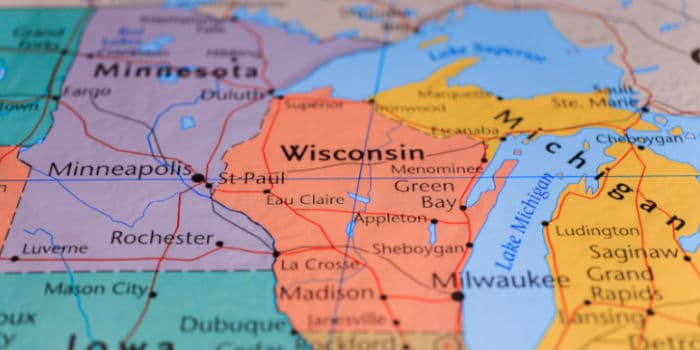
Wisconsin's path to online sports betting has hit a significant regulatory roadblock. On November 11, 2026, Waukesha County Judge J. Arthur Melvin ruled that oral arguments in a lawsuit challenging the state's new sports betting law will not be heard until April 20, 2027, with a decision expected shortly thereafter. This delay extends an already lengthy approval timeline and underscores the complex legal and political dynamics surrounding gambling expansion in the Badger State.
The lawsuit was filed by the Wisconsin Institute for Law and Liberty (WILL) on behalf of the Brown County Taxpayers Association and Citizens Defending Liberty. The plaintiffs argue that legalizing online sports betting through Indian Country tribes constitutes an expansion of gambling that should require voter approval rather than legislative action alone. The case does not challenge tribal involvement per se, but rather the circumvention of direct voter input on gambling expansion.
Wisconsin's approved framework allows federally recognized tribes to route server data through infrastructure located on tribal land and claim 60% of revenue from online sports betting operations. This revenue-sharing model reflects compliance with the Indian Gaming Regulatory Act, which governs how commercial operators must participate in tribal gaming ventures. However, this structure has generated significant friction within the commercial gambling sector. Private operators argue that the 60% revenue share owed to tribes is prohibitive and would severely constrain the viability of Wisconsin's emerging online sports betting market.
The regulatory environment remains contested on multiple fronts. While the lawsuit challenges the procedural legitimacy of the approval process, commercial stakeholders are simultaneously questioning the economic feasibility of the proposed revenue model. These parallel disputes illustrate a broader tension in state gambling policy: balancing tribal sovereignty and revenue rights against competitive market dynamics and operator profitability.
The delay until spring 2027 means Wisconsin will remain without regulated online sports betting for at least another six months, even after the court issues its decision. If the court sides with the plaintiffs, the state could be forced to put gambling expansion to a public referendum, adding months or potentially years to implementation. If the court upholds the current framework, commercial operators will still face the challenge of building a business model around the 60% revenue obligation to tribes.
This case reflects a pattern seen across multiple U.S. states where tribal gaming rights, federalism questions, and voter approval thresholds create complex regulatory crosscurrents. Wisconsin's situation is particularly notable given that tribal nations were directly involved in negotiating the sports betting framework, yet the mechanism for implementation remains legally vulnerable. The court's eventual ruling will have implications not only for Wisconsin's online sports betting market but potentially for how other states structure tribal-commercial partnerships in regulated gambling.
Source
GamblingNewsRelated stories

Military Culture and Stigma Suppress Early Gambling Problem Detection, Study Finds

Atlantic City Opposes $3B Meadowlands Convention Center, Citing Internal Competition Threat
Cortez Masto Accuses CFTC of Undermining State Gambling Authority to Benefit Trump Family

Texas Files Gaming Amendment Bill Ahead of 2027 Legislative Session
More on CasinoAdvisor