

Based on reporting by iGaming Business →
The prediction market sector is experiencing a complex regulatory moment, with divergent outcomes across different sports leagues and states reshaping how operators and their celebrity ambassadors navigate compliance.
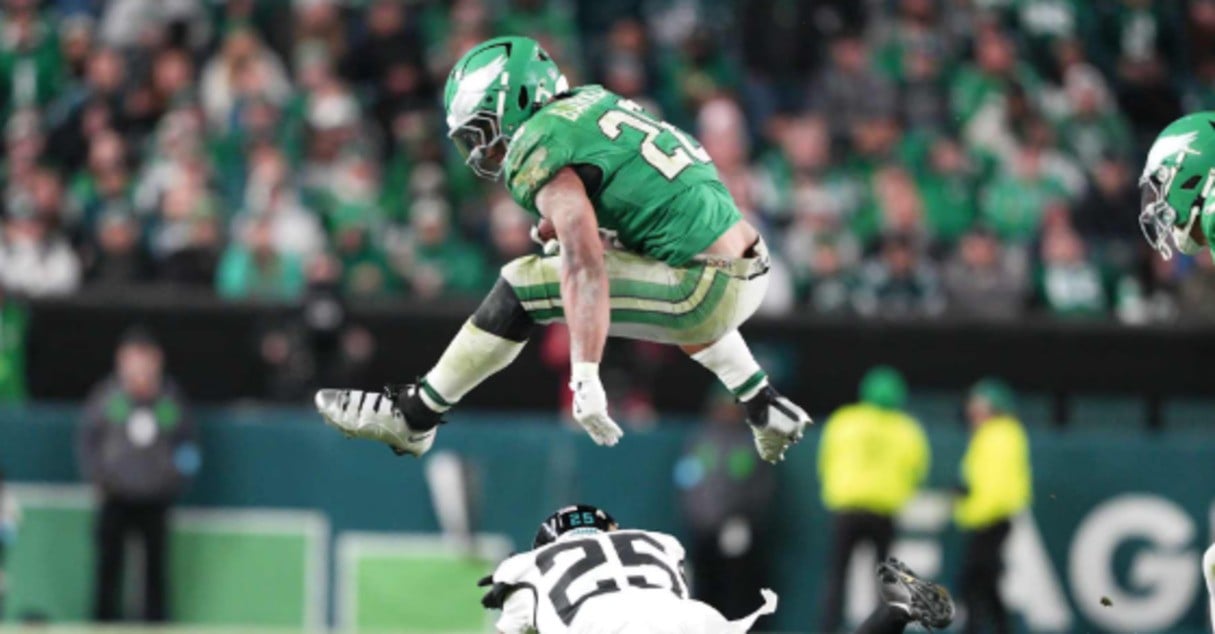
Philadelphia Eagles running back Saquon Barkley this week divested his stake in Polymarket after receiving guidance from the NFL, signaling a harder line from the league on athlete participation in prediction markets. Barkley, a three-time Pro Bowler, disclosed the move to Front Office Sports, explaining that the NFL issued new guidelines ahead of the regular season. His exit contrasts sharply with high-profile endorsements the sector has secured elsewhere. LeBron James recently signed a landmark deal with Polymarket following the expiration of his DraftKings contract, and has been joined by celebrities including Eli Manning, Derek Jeter, and Spike Lee in backing the operator.
The disparity in league approaches reflects deeper regulatory uncertainty. While the NFL continues to oppose proposed rules from the US Commodity Futures Trading Commission on sports event contracts, the NBA has moved in the opposite direction, signing a comprehensive Memorandum of Understanding with the CFTC this week. The NBA designated Kalshi and Polymarket as preferred prediction market partners and secured veto power over contracts it deems objectionable. This framework signals potential industry maturation, though questions remain about federal enforcement and state-level opposition.
Kalshi faces intensifying legal pressure at the state level. Utah Attorney General Derek Brown filed a criminal complaint on October 29 naming CEO Tarek Mansour and COO Luana Lopes Lara as defendants. The complaint alleges 12 counts of online gaming promotion and one count of pattern of unlawful activity, based on trades totaling $114.87 placed by an undercover agent. The filing came less than two weeks after Utah sued Kalshi, declaring gambling a public nuisance that inflicts substantial harm on residents. Kalshi responded sharply, calling the action a political overreach. The company has faced litigation from more than a dozen states as federal circuit courts remain split on whether sports event contracts qualify as swaps.
Despite regulatory headwinds, Kalshi completed a $1 billion funding round Thursday at a $40 billion valuation, with Sequoia Capital and Wellington Management co-leading. The raise represents an 81.8% jump in valuation since May, when Kalshi was valued at $22 billion.
Polymarket meanwhile confronted an immediate operational crisis when a security breach briefly halted its offshore exchange on Thursday. Hackers drained approximately $2.73 million from roughly 737 accounts in under an hour, exploiting a flaw from third-party monitoring provider DebugBear. The median loss per affected account was $171, though four accounts each lost more than $100,000. Polymarket pledged to make all impacted users whole and said at least 689 of affected accounts had been refunded by Friday afternoon.
These developments underscore the sector's regulatory fragmentation. While the NBA framework and major funding rounds suggest institutional maturation, state-level enforcement and athlete compliance restrictions reveal tensions between federal ambitions and local enforcement. The prediction market sector operates within an unsettled legal environment where league partnerships coexist with criminal charges and operational security vulnerabilities.
Source
iGaming BusinessRelated stories

Nevada Governor's Race Tightens as Gaming Donors Back Lombardo Amid Shifting Odds

UK Government Frames Gaming as Vice to Fund High Street, Risking Operator Confidence

Ontario Opens Niagara Casino Market, Targets $3B Investment From Up to Three New Operators

Ontario Opens Niagara Gaming Market, Seeks $3B in Casino Investment
More on CasinoAdvisor