

Based on reporting by iGaming Business →
The UK government has implemented its second gaming tax increase in a year, raising the machine gaming duty (MGD) threshold as part of a broader effort to support struggling high streets. Chancellor John Healey announced that Adult Gaming Centres would be excluded from business rate relief - a support package funded entirely through the tax hike on gaming machines.
On the surface, the five-percentage-point MGD increase represents a measured fiscal intervention. Industry analysts have suggested the rise may be tolerable and mitigatable by operators, especially compared to earlier speculation of a 40% rate hike. However, the policy's framing reveals a deeper concern: the government's rhetorical positioning of gambling as a barely-tolerated vice with deep pockets, rather than as a legitimate business sector.
The contrast in how the government addressed different industries during the budget announcement is stark. Chancellor Healey explicitly praised the banking sector when announcing a temporary three-percentage-point levy increase, stating: 'Our world-leading banks make a huge contribution to this country.' Gambling received no such reassurance or acknowledgment of its economic contributions. Instead, Prime Minister Andy Burnham had previously described betting shops as 'dodgy businesses' alongside vape shops, framing gambling premises as obstacles to high street renewal rather than participants in it.
This narrative positioning carries significant implications beyond immediate tax consequences. By rhetorically reducing the sector to a resource for funding 'good' businesses, the government creates political cover for future tax escalations. Labour MPs including anti-gambling campaigner Dawn Butler have already called for MGD to reach 40%, signaling that current rate increases may not satisfy reform-minded politicians.
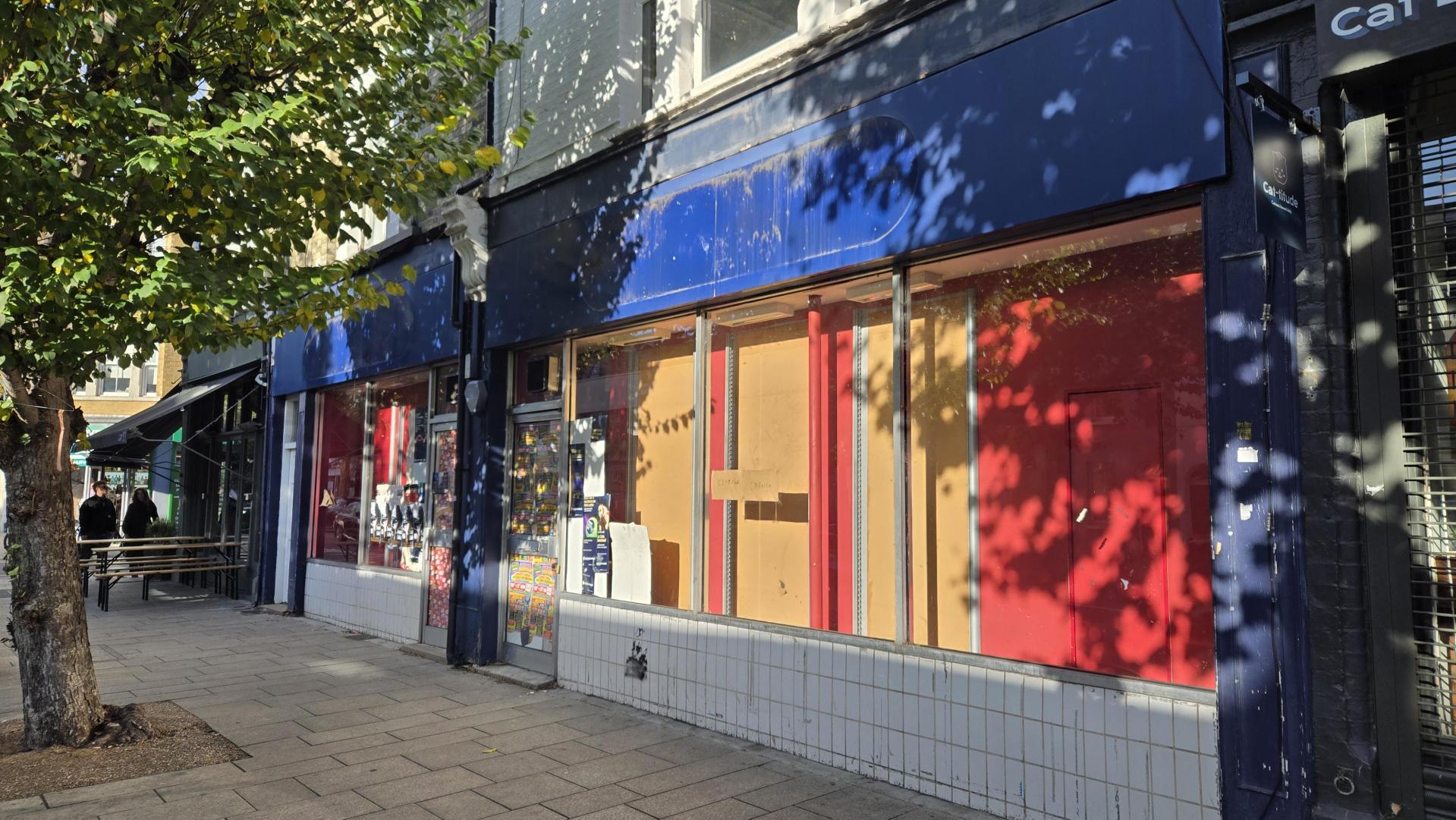
The self-defeating nature of this approach warrants scrutiny. While gambling premises do contribute to the visual deterioration of some high streets, research by YouGov has found that gaming venues drive wider high street spending. A higher MGD removes both the funding and incentive for operators to refurbish aging shop fronts, potentially accelerating closures rather than revitalization. The policy thus works against its stated objective.
The broader challenge for operators is regulatory and fiscal uncertainty. The lack of clarity around the long-term tax and regulatory environment - with the remote gaming tax having nearly doubled under the previous administration and now MGD rising sharply - complicates investment planning and strategic decision-making. Operators have flagged that this uncertainty itself represents a material business risk.
The government's positioning also reflects a broader societal attitude shift. Public sentiment toward gambling has deteriorated, and politicians have correctly identified that anti-gambling stances play well across the political spectrum. This creates structural incentives to view the sector as a convenient funding source for politically popular initiatives, regardless of whether higher taxes actually serve stated policy goals like harm reduction (the previous remote gaming tax hike did not direct revenue toward harm prevention measures).
For operators, the immediate financial impact may prove manageable, but the attitudinal damage extends further. Without reassurance that the current increases represent a settlement rather than an opening position, investment signals remain negative and long-term planning remains constrained. This dynamic, more than the tax increase itself, may ultimately prove most damaging to both the sector and the high streets the government aims to revitalize.
Source
iGaming BusinessRelated stories
Nevada Governor's Race Tightens as Gaming Donors Back Lombardo Amid Shifting Odds

Ontario Opens Niagara Casino Market, Targets $3B Investment From Up to Three New Operators
Ontario Opens Niagara Gaming Market, Seeks $3B in Casino Investment
Canada Pursues National Gambling Ad Limits as Research Reveals 3,000 Betting Messages Per NHL Playoff Series
More on CasinoAdvisor