


Based on reporting by Casino.org →
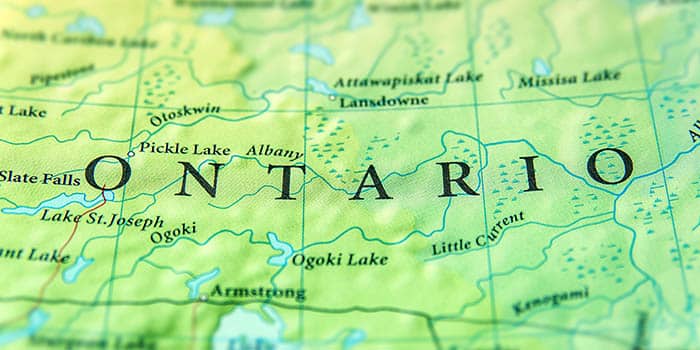
Ontario's government and the Ontario Lottery and Gaming Corporation (OLG) have initiated a significant market expansion in Niagara, announcing a competitive bidding process designed to attract world-class casino operators to the region. The initiative, unveiled on October 28, 2026, represents a strategic shift in the province's gaming landscape following an agreement suspending MGE Niagara Entertainment Inc.'s exclusivity rights in the Niagara land-based market.
The procurement framework establishes substantial barriers to entry that will likely limit competition to well-capitalized operators. Each new casino operator must commit to a minimum investment of CA$1.5 billion and pay a CA$100 million entrance fee to participate. The province has set the gaming tax rate at 9.75%, positioning Niagara competitively within Canada's gaming tax environment. The government projects that these investments will generate more than 10,000 construction jobs during the development phase.
Under the current framework, the market will accommodate a maximum of three additional casino operators initially. The government has indicated that further expansion may be considered after a fixed 10-year term, contingent on market conditions and operator performance metrics. This staged approach suggests a cautious expansion strategy rather than an open-market model.
The broader strategic context is Ontario's Destination Niagara Strategy, which extends beyond gaming to encompass tourism development and economic growth across the region. The government targets doubling annual tourism to the region from its current baseline to more than 25 million visitors, contributing CA$3 billion annually to Ontario's GDP, creating 46,500 permanent jobs, and supporting local business ecosystems. The gaming expansion sits within this larger economic development initiative rather than serving as an isolated casino market opening.
The total private sector investment target across all Destination Niagara Strategy components exceeds CA$3.6 billion, with gaming representing the largest single component. This suggests that casino development is viewed as an economic anchor capable of catalyzing broader regional investment in hospitality, entertainment, and tourism infrastructure.
Interested operators must respond through the MERX procurement portal by December 3, 2026, for the first phase. Shortlisted applicants will subsequently be invited to submit detailed proposals for integrated casino developments, indicating that the province intends to evaluate not just financial capacity but also development quality and experience.
The timing of this initiative reflects broader shifts in Canadian gaming markets, where provincial governments are increasingly leveraging casino licensing as a tool for regional economic development. However, the high capital requirements and entrance fees effectively narrow the competitive field to established gaming operators with demonstrated development experience and financial strength. This represents a meaningful market opportunity for operators seeking geographic expansion within Canada, though the limited number of available licenses may lead to intensive bidding competition among qualified applicants.
Source
Casino.orgRelated stories
Ontario Opens Niagara Gaming Market, Seeks $3B in Casino Investment

Canada Pursues National Gambling Ad Limits as Research Reveals 3,000 Betting Messages Per NHL Playoff Series
Oyo Las Vegas Suspends Alcohol Sales for Second Time in 12 Months

Nevada Gaming Commission Approves Two Casino Heirs to Executive Roles
More on CasinoAdvisor