

Based on reporting by GamblingNews →
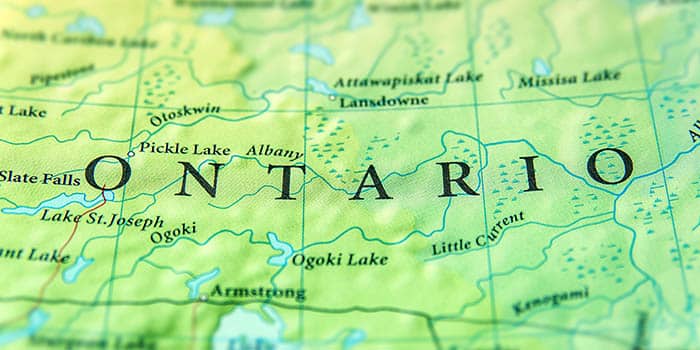
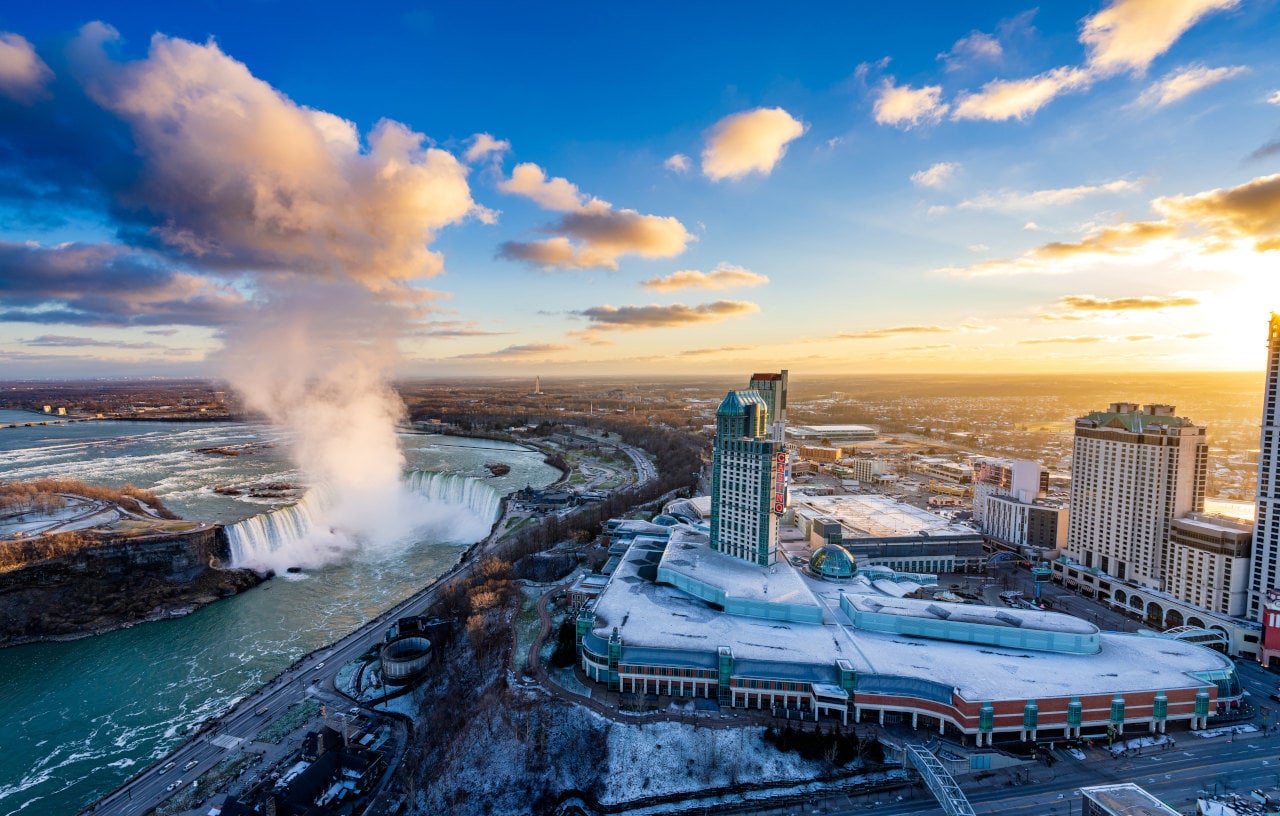
Ontario has announced a significant expansion of its gaming market, opening Niagara Falls to new casino operators in a move that could reshape the region's entertainment and tourism sectors. The provincial government and Ontario Lottery and Gaming Corporation (OLG) revealed the initiative on October 28, 2026, seeking to attract over $3 billion in direct gaming investment over the next two decades while generating more than 10,000 construction jobs.
The framework represents a departure from the existing market structure. Previously, MGE Niagara Entertainment Inc. held exclusive operating rights in the region. An earlier 2026 agreement between OLG and MGE lifted those exclusivity protections, creating space for competitive entry. The new model will initially permit up to three operators, though Ontario indicated it could extend beyond this cap after the initial 10-year period if market conditions and tourism performance warrant expansion.
Prospective operators face substantial financial commitments. Each successful candidate must invest a minimum of $1.5 billion in an integrated casino resort and pay a $100 million entrance fee. The province will impose a 9.75% gaming tax rate on new entrants. Interested companies must submit expressions of interest by December 3, 2026, with shortlisted candidates advancing to full proposal submissions. The compressed timeline suggests Ontario aims to move quickly toward operator selection and project development.
The expansion sits within Ontario's broader Destination Niagara Strategy, an ambitious effort to position the region as a year-round tourist destination. The government targets 25 million annual visitors to Niagara and aims to inject $3 billion into the provincial economy while creating approximately 46,500 permanent jobs. The strategy relies primarily on private capital investment in hotels, entertainment, dining, and attractions rather than government funding. The additional $600 million in private-sector investment expected through related projects underscores this private-led model.
Ontario's Tourism, Culture and Gaming Minister Zee Hamid framed the expansion as an economic opportunity designed to attract investment, support employment, and strengthen the tourism industry. State officials appear confident that new gaming venues and the associated infrastructure development will generate sufficient economic activity to offset any revenue redistribution resulting from changes to existing market arrangements.
However, the announcement arrives against a backdrop of scrutiny regarding Ontario's gambling oversight. Recent reports questioned transparency at iGaming Ontario, alleging the agency suppressed research investigating problem gambling rates. While iGaming Ontario disputed the methodology of the questioned study, the episode highlighted tensions between economic growth objectives and consumer protection frameworks.
The Niagara market represents a concentrated, high-stakes opportunity. Unlike jurisdictions with multiple established gaming centers, Niagara has operated under a single operator model, meaning the entry of up to three new competitors represents meaningful market consolidation and structural change. This development will likely attract significant attention from major operators seeking North American exposure and from industry analysts tracking regulatory trends in Canadian gaming. The balance between aggressive economic development and responsible gambling oversight will merit close monitoring as Ontario shapes its gaming market for the next decade.
Source
GamblingNewsRelated stories
Ontario Opens Niagara Casino Market, Targets $3B Investment From Up to Three New Operators
Canada Pursues National Gambling Ad Limits as Research Reveals 3,000 Betting Messages Per NHL Playoff Series
Oyo Las Vegas Suspends Alcohol Sales for Second Time in 12 Months
Nevada Gaming Commission Approves Two Casino Heirs to Executive Roles
More on CasinoAdvisor