

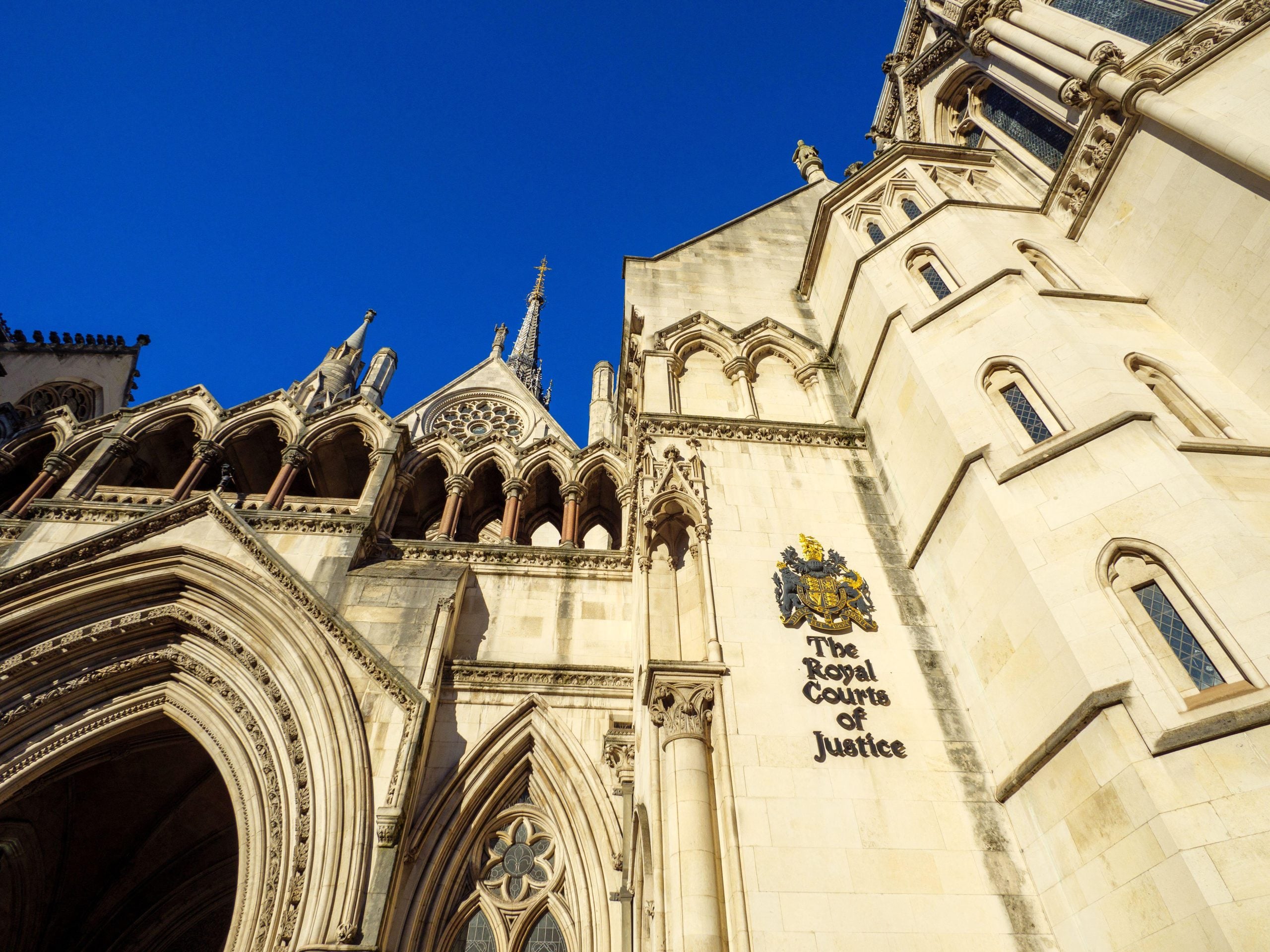
A significant UK court judgment has reshaped the legal landscape for negligence claims against online betting operators, limiting rather than expanding the grounds on which customers can pursue damages for gambling-related harm.
In the case brought by Ann-Marie Ashton, widow of gambling addict Luke Ashton, the High Court dismissed negligence claims against TSE Malta LP, operator of Betfair's betting exchange. Mr. Ashton, 40, died by suicide in 2021 after intensive gambling activity. The widow sought damages for psychiatric injury and losses under the Law Reform (Miscellaneous Provisions) Act 1934 and the Fatal Accidents Act 1976. Judge Swift found insufficient evidence that Ashton had a diagnosed gambling disorder or that the company knew, or ought to have known, he faced relevant risk.
The judgment's most significant implication lies in what it does not establish. Rather than opening doors to new litigation waves, the ruling clarifies the threshold for operator liability. According to legal analysis, the court held that a duty of care arises only where an operator has 'real knowledge' of a customer's inability to control their gambling - either through explicit diagnosis or behaviour so extreme as to demonstrate wholly uncontrolled play.
This distinction matters profoundly. Claimants had sought to argue that an operator should infer gambling disorder from collected data alone - patterns like Ashton's March activity (20-30 daily bets, four-hour sessions) triggering concern. The court rejected this inferential approach. Instead, the judgment establishes that the trigger is 'more narrow than foreseeable.' Operators are not expected to diagnose disorder from behavioral data; they must have notice of an actual diagnosis or observe conduct beyond the bounds of genuine informed choice.
The ruling also addressed a secondary but equally important question: whether breaches of regulatory obligations create civil liability. Claimants had drawn parallels to the employment case Hatton v Sutherland, arguing that Gambling Commission requirements concerning harm interventions should themselves give rise to negligence claims. The court rejected this merger of regulatory and common-law duties. The Gambling Act 2005 itself, via section 24(8), provides that breach of the Social Responsibility Code does not of itself create civil liability. The judge concluded that treating regulatory breaches as negligence would 'usurp the position and role of the statutory regulator.'
This distinction prevents a significant category of potential claims. Customers cannot now argue that an operator's failure to comply with the Licence Conditions and Codes of Practice constitutes a breach of contract, nor can they treat regulatory shortcomings as the foundation for a negligence duty.
Even where claimants can clear these heightened bars, causation remains a substantial obstacle. Individuals with gambling addiction often use multiple operators, making it difficult for courts to attribute financial or psychiatric harm to any single company. The judgment was notable for establishing, for the first time, that liability could extend to psychiatric injury rather than only financial recovery - but proving one operator caused specific psychiatric damage remains formidable.
For the broader operator community, Ashton provides reassurance that the legal environment will not rapidly expand liability exposure. Industry participants remain subject to detailed regulatory frameworks and responsible gambling obligations, but civil negligence claims face genuine evidentiary hurdles. The judgment clarifies that compliance with regulatory standards and avoidance of common-law liability are not identical propositions, yet operators meeting LCCP requirements will find it difficult to defend a negligence claim successfully.
Source
iGaming BusinessRelated stories

Malta's Bill 55 Remains in Legal Limbo as ECJ Declines to Rule on EU Compatibility

PokerStars Exits New Zealand After Flutter Fails Licensing Eligibility
Trump's CFTC Nominees Dodge Clarity on Sports Betting Classification at Senate Hearing
43 State Attorneys General Challenge CFTC Authority Over Sports Event Contracts
More on CasinoAdvisor