

Based on reporting by Casino.org →
In a coordinated pushback against federal regulatory expansion, attorneys general from 43 states and Washington, DC, have formally urged the Commodity Futures Trading Commission (CFTC) to abandon its proposed rulemaking that would classify sports event contracts as swaps under the Commodity Exchange Act (CEA).
The CFTC published its Notice of Proposed Rulemaking on October 9, 2026, seeking to amend the definition of swaps to explicitly include trading on sports, politics, cultural, and weather-related events. The proposal aims to bring clarity to prediction markets that have grown substantially in recent years, particularly after the CFTC declined to object when exchanges self-certified sports events on their platforms in 2025.
The state coalition argues on two principal fronts. First, they contend the CFTC lacks statutory authority to unilaterally redefine swaps to encompass sports betting without congressional authorization. Ohio Attorney General Andy Wilson, who co-led the letter effort, stated that "a sports bet isn't a derivative just because the CFTC says so" and that "the agency doesn't get to invent powers that Congress never gave it." The attorneys general further argue the proposed rule would circumvent established state gambling authority and undermine consumer protections developed under state law.
Second, the coalition raises a procedural quorum challenge. They argue that CFTC Chair Michael Selig cannot adopt the proposed rule while serving as the sole commissioner, interpreting the CEA's language about vacancies to require a minimum quorum of two commissioners. Under current staffing, only Selig has been serving. However, this obstacle may be short-lived: on November 12, Trump nominated Republican Nathan Anonick and Democrat Matthew Rowland to fill commissioner vacancies. Both nominees are currently legal advisors on the Senate Agriculture Committee.
Selig, who was confirmed as CFTC chair in December 2025 after serving as chief counsel for a cryptocurrency task force at the SEC, has consistently asserted that federal law grants the CFTC exclusive jurisdiction over swaps as commodity derivatives. He frames prediction markets as legitimate financial instruments that enable hedging, speculation, and information aggregation about future events, all squarely within the agency's remit.
The dispute reflects a broader tension in the American gambling regulatory landscape. State-level oversight has traditionally governed sports betting and wagering activities, while federal commodity regulation has focused on derivative contracts. The CFTC's proposed move to classify event contracts as federally regulated swaps represents a significant jurisdictional incursion into traditionally state-controlled territory.
Prediction markets have expanded considerably, with platforms offering contracts on elections, sports outcomes, and geopolitical events. The regulatory treatment of these platforms remains contested, with state attorneys general viewing federal overreach as a threat to their consumer protection frameworks. The Trump administration's support for CFTC expansion suggests the rulemaking will likely proceed once the commission reaches a quorum, though the state coalition's legal arguments may still face judicial review.
Source
Casino.orgRelated stories
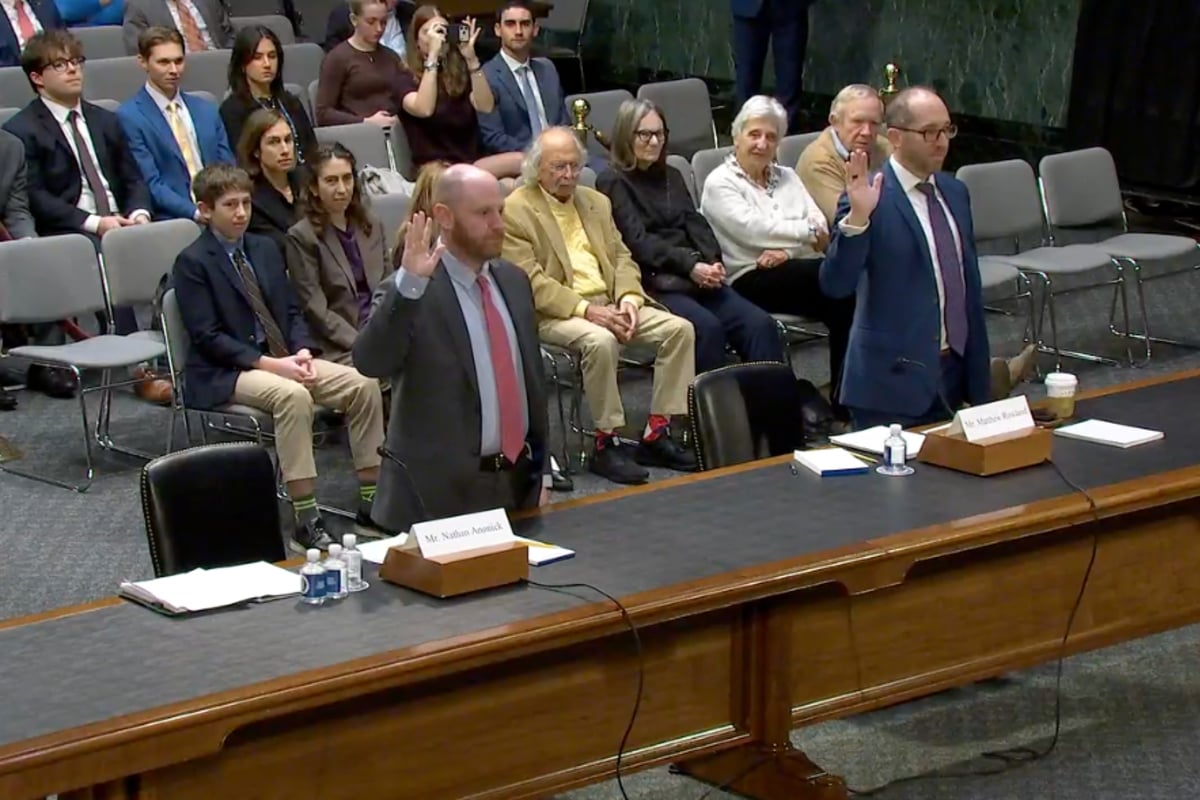
Trump's CFTC Nominees Dodge Clarity on Sports Betting Classification at Senate Hearing

UK Gambling Commission Declines to Regulate Pokemon Cards Despite Resale Value Concerns

Alberta Launches Beyond the Bet Program to Fund Gambling Harm Research and Prevention

California Tribe Opens Sportsbook Under Federal Authority Despite State Ban
More on CasinoAdvisor