

Based on reporting by Casino.org →
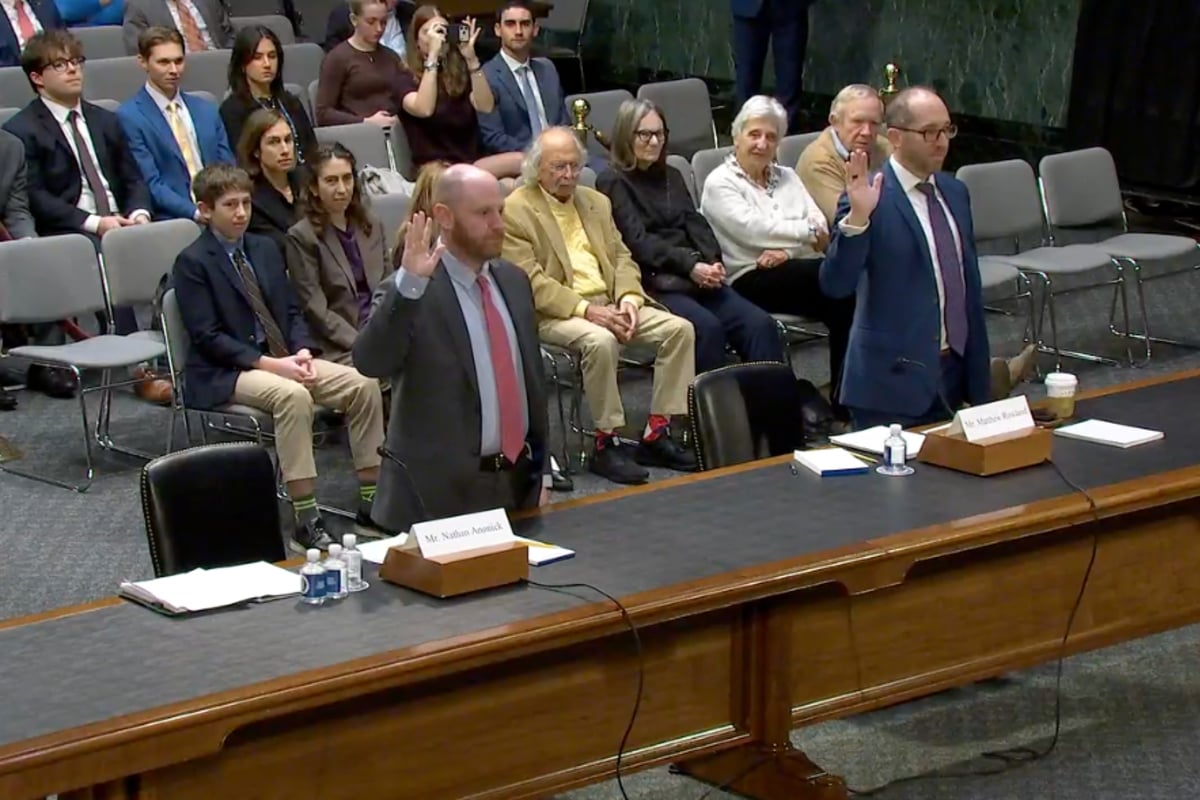
During a Senate Agriculture Committee hearing on November 17, 2026, President Trump's two CFTC nominees - Republican Nathan Anonick and Democrat Matt Rowland - faced pointed questioning about the regulatory status of sports event contracts offered on prediction markets. The hearing exposed a fundamental tension shaping the future of derivatives regulation: whether contracts predicting sports outcomes fall under the CFTC's jurisdiction as financial instruments or violate federal sports betting prohibitions.
Sen. Adam Schiff (D-Calif.) pressed Anonick directly, asking if predicting a football game outcome constitutes sports betting. Anonick declined to give a straight answer, characterizing the legal question as "complex" due to conflicting federal court rulings. When Schiff pushed back - noting that betting on who wins a football game "sounds like a sports bet" - Anonick promised to conduct a "thorough, robust, fact-finding process" if confirmed as commissioner, involving the general counsel, outside counsel, tribes, and states.
Rowland offered similar equivocation when Sen. Tina Smith (D-Minn.) asked about differences between sports wagers and sports event contracts, citing active litigation and expressing sympathy for state and tribal concerns while stopping short of commitments.
The nominees' reluctance to take clear positions reflects genuine legal ambiguity that has hobbled the regulatory landscape since CFTC Chair Michael Selig took office in December 2025. Under Selig's sole stewardship, the CFTC has adopted an industry-friendly posture, permitting prediction market platforms holding Designated Contract Market (DCM) licenses to offer sports event contract trading that closely mirrors traditional sports betting. These platforms market themselves as financial instruments enabling risk hedging and speculation, not gambling.
This approach has provoked fierce pushback. State attorneys general and gaming regulators argue the CFTC is exceeding its statutory authority and undermining state sovereignty over sports betting. Forty-three state attorneys general formally urged the CFTC to halt sports event contracts in November 2026. Democrats, poised to assume congressional control in January 2027, have signaled aggressive plans to rein in the CFTC. Of the six Democratic senators who requested time at the hearing - including Amy Klobuchar, Michael Bennet, Ben Ray Luján, and Ralph Warnock - all pressed the nominees on federal regulatory authority and state-tribal jurisdiction over sports betting.
The political composition of the hearing itself told a story: only two Republicans attended (Committee Chairman John Boozman and Cindy Hyde-Smith), while six Democrats participated, suggesting where leverage lies as the new Congress convenes.
What's at stake extends beyond semantics. The classification question determines whether prediction markets operate as regulated derivatives exchanges or face enforcement as illegal sports betting operations. For operators, states, tribes, and consumers, clarity on this distinction is foundational to understanding market legitimacy and risk exposure. The nominees' deflections suggest the incoming CFTC faces intense pressure from multiple directions, and their confirmations may pivot on this single issue.
Source
Casino.orgRelated stories
43 State Attorneys General Challenge CFTC Authority Over Sports Event Contracts

UK Gambling Commission Declines to Regulate Pokemon Cards Despite Resale Value Concerns

Alberta Launches Beyond the Bet Program to Fund Gambling Harm Research and Prevention

California Tribe Opens Sportsbook Under Federal Authority Despite State Ban
More on CasinoAdvisor