

Based on reporting by Casino.org →
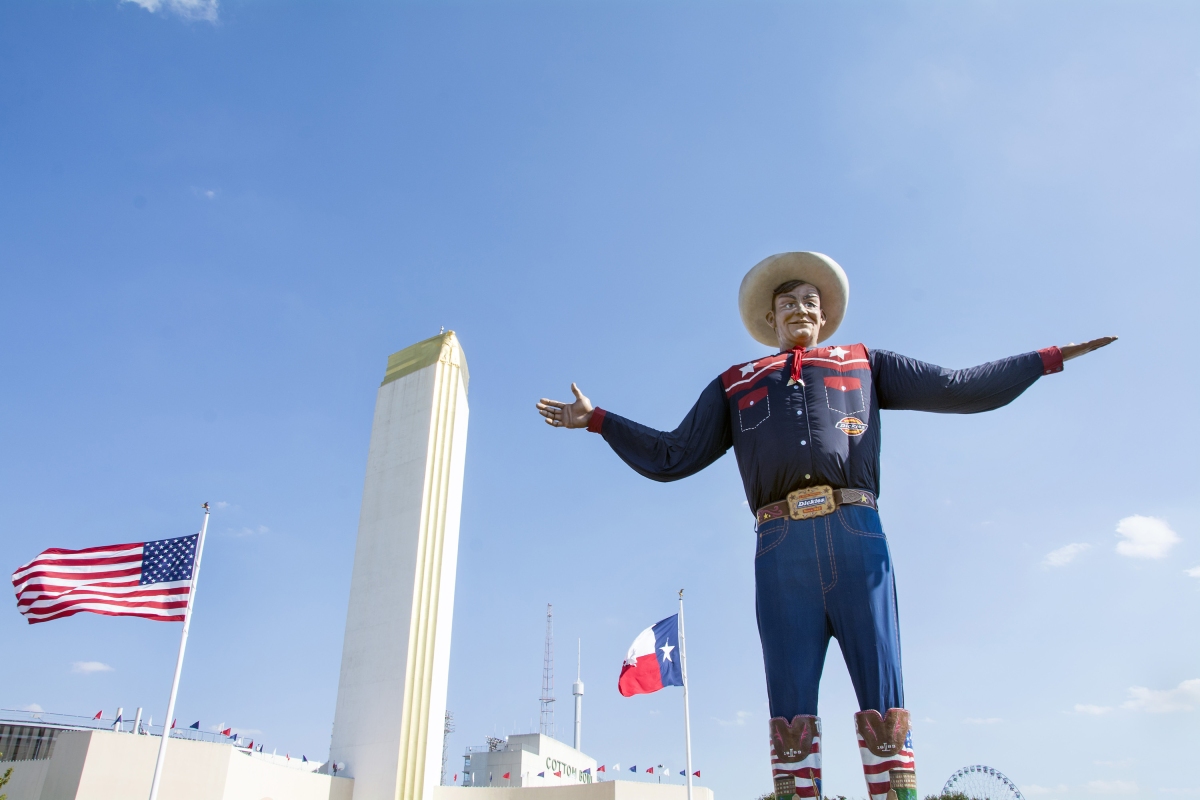
Texas has emerged as the gaming industry's most coveted prize for sports betting expansion following Tuesday's midterm elections, which saw Democrats Gina Hinojosa and Vikki Goodwin defeat Republican incumbents in the governor and lieutenant governor races. The political shift has reignited hopes for online sports betting legalization in a state that has repeatedly stalled on gaming expansion despite demonstrated voter support.
The lieutenant governor's office represents the critical variable in Texas's legislative structure. Unlike most states, Texas's lieutenant governor wields extraordinary power, controlling the State Senate agenda. Goodwin's pro-gaming stance positions her favorably toward advancing both mobile sports wagering and iGaming to voters. In 2024, the Texas House of Representatives already passed mobile sports wagering legislation, but the measure died in the State Senate under former Lt. Gov. Dan Patrick's firm anti-gaming position. Goodwin has publicly positioned gaming expansion as a freedom-of-choice issue, suggesting she would facilitate legislative movement on the question.
However, structural barriers remain formidable. The Texas Constitution requires two-thirds majorities in both legislative chambers to advance gaming expansion before voter approval. Republicans retain control of both houses, meaning bipartisan support will be essential. Polling data indicates voters across both parties favor online sports betting legalization, yet translating public preference into legislative action depends on Republican willingness to advance the issue. Gov.-elect Hinojosa, while not vocally opposed to sports betting, did oppose a 2023 sports wagering amendment, introducing uncertainty about her administration's level of engagement on gaming matters.
Texas's significance to the gambling industry extends beyond market size. California's tribal casino relationships with commercial operators have fractured, making that state unavailable for near-term sports betting expansion. Florida remains closed to new market entrants due to the Seminole Tribe's monopoly on internet wagering. These closures have elevated Texas's status as the last major untapped American market with substantial population density and demonstrated consumer interest.
A secondary dynamic has also captured industry attention: the potential for Texas to litigate against prediction markets, which currently operate with minimal regulatory oversight in the state. Several unregulated prediction market operators have used Texas and Georgia's lack of sports betting as marketing angles, emphasizing their yes-no exchange platforms as alternatives to traditional wagering. Some state policymakers view this development as regulatory arbitrage, with prediction market operators benefiting from Texas's gaming prohibition while evading taxation and compliance requirements. A Democratic administration might pursue legal action against these platforms while simultaneously legalizing licensed sports betting to recapture potential tax revenue and regulatory authority.
Oklahoma represents a potential secondary domino effect. The state's governor-elect, Mike Mazzei, campaigned on rebuilding relationships with tribal casino operators damaged under the previous administration. Should Oklahoma move toward tribal-operated internet sports betting in tandem with Texas's legalization efforts, the southern region could experience rapid gaming market expansion.
The industry widely recognizes that Texas sports betting legalization remains contingent on Republican legislative cooperation despite Democratic control of executive offices. Previous false starts underscore the need for sustained political will across party lines to overcome constitutional supermajority requirements.
Source
Casino.orgRelated stories
Colorado Governor Proposes Progressive Tax Increase on Land-Based Casinos
New Brunswick Moves to Regulate Live Casino Games as Province Considers Private iGaming Market
Prediction market sector faces dual pressure from athlete compliance rules and state enforcement
Nevada Governor's Race Tightens as Gaming Donors Back Lombardo Amid Shifting Odds
More on CasinoAdvisor