

Based on reporting by GamblingNews →
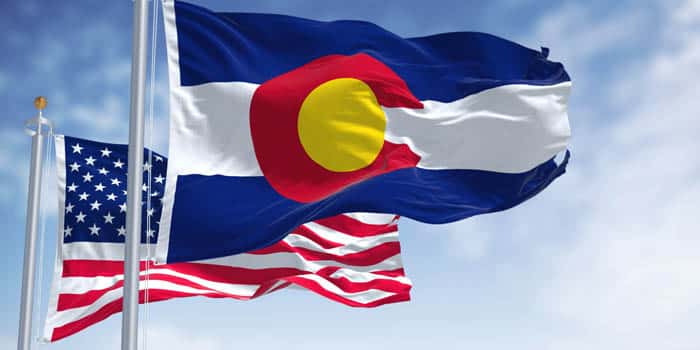
Colorado Governor Jared Polis has proposed a significant increase to the state's casino taxation structure as his tenure approaches its January conclusion. The proposal seeks to implement a progressive tax system that would raise the effective tax rate from the current 16.1% to 23%, bringing Colorado closer to the national average of 26%.
Under the governor's plan, casinos would face tiered taxation based on earnings. Operators earning between $20 million and $100 million annually would be subject to up to 27.5% tax rates, while casinos exceeding the $100 million threshold would face a 35% effective tax rate. According to Polis' office, this restructuring could generate approximately $80.2 million in annual new revenue.
The governor's stated intention is to allocate these additional revenues toward childcare and preschool programs. In announcing the proposal, his office emphasized the educational investments made during his administration, noting that average per-pupil funding has increased by more than 50% since 2019, from $8,137 to $12,325. The current budget proposal includes $154.7 million in additional State Share of Total Program funding, with $125 million from the General Fund, bringing per-pupil allocations to $12,814.
The feasibility of implementing such a tax restructuring remains uncertain. As of the source date, there has been no legislative movement on the proposal, and its success depends on how Colorado lawmakers respond to the measure. Tax increases on gaming operations often face resistance from both casino operators and their industry associations, particularly when the increase is substantial and structured progressively.
Colorado's land-based casino industry, primarily centered in mountain communities, has long served as a revenue source for state initiatives. The current effective rate of 16.1% is notably lower than the national average, providing some room for adjustment from a competitive standpoint, though operators facing higher effective rates may argue that Colorado's already-attractive gaming market could be impacted by such increases.
CasinoAdvisor notes that tax policy on gaming operations remains a critical lever for state legislators balancing budget pressures with industry competitiveness. The timing of this proposal during Polis' final weeks in office raises questions about whether incoming leadership will prioritize the measure or whether it will become part of broader budget negotiations in the 2027 legislative session.
Source
GamblingNewsRelated stories
New Brunswick Moves to Regulate Live Casino Games as Province Considers Private iGaming Market

Prediction market sector faces dual pressure from athlete compliance rules and state enforcement
Nevada Governor's Race Tightens as Gaming Donors Back Lombardo Amid Shifting Odds

UK Government Frames Gaming as Vice to Fund High Street, Risking Operator Confidence
More on CasinoAdvisor