

Based on reporting by iGaming Business →
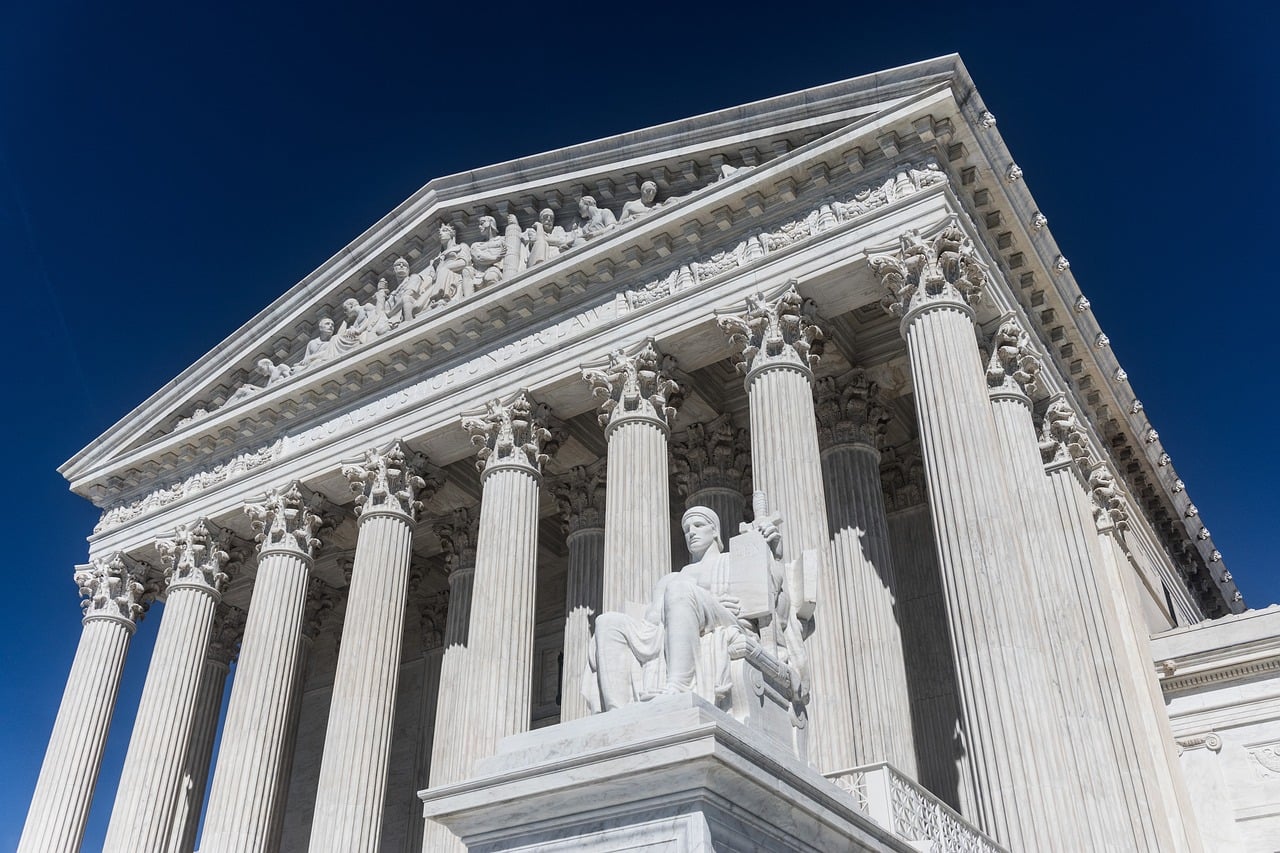
The sports betting and derivatives industries face a pivotal moment as the U.S. Supreme Court weighs whether to hear Flaherty v. KalshiEx, LLC, a case that could determine the future of sports event contracts worth as much as $1 trillion in notional value. The NFL's intervention this week through a high-profile amicus brief co-authored by former U.S. Attorney General William Barr signals that traditional sports leagues are taking an aggressive stance on prediction markets, even as regulatory uncertainty persists.
The 32-page brief focuses on market integrity and consumer protection, arguing that prediction markets require clearer regulatory frameworks to prevent harm to sports events. The NFL identified specific contract types it deems objectionable, including bets on whether a kicker will miss a field goal, the next penalty in a game, and non-game-related outcomes such as phrases mentioned during broadcasts. The league emphasized that the current regulatory environment, overseen primarily by the U.S. Commodity Futures Trading Commission, may lack the capacity and enforcement resources needed to protect game integrity.
Prediction market operators Kalshi and Polymarket have pushed back against these characterizations. Both companies claim they maintain active market surveillance systems and attempt to work constructively with sports leagues. Kalshi stated it is actively policing sports-related markets and invited the NFL to engage collaboratively, while Polymarket asserted it is constantly enhancing its surveillance tools to protect integrity.
The integrity debate extends beyond the NFL. NBA Commissioner Adam Silver acknowledged problems in prediction markets during an exhibition game in Macau, citing concerns about data capture and the need to detect aberrational behavior. However, Silver favors a federal regulatory standard, contrasting with the NFL's preference for state-level oversight of sports wagering.
Insider trading threats loomed large at this week's Predict 2026 conference in Manhattan. Panelists discussed methods for combating fraud, highlighting cases including that of U.S. Army special forces soldier Gannon Van Dyke, indicted on charges of theft of classified government information. Van Dyke allegedly placed approximately $33,000 on Polymarket trades related to Venezuelan political developments and made roughly $400,000 in profits. Coalition for Prediction Markets President Sean Patrick Maloney said strict sentencing in such cases is warranted, stating that misuse of sensitive national security information demands severe consequences.
Tribally affiliated gaming entities have also challenged prediction market operators. The Seminole Tribe of Florida filed a 72-page lawsuit against DraftKings this week, arguing that the company's prediction platform violates the tribe's 2021 gaming compact by conducting illegal sports betting and depriving Florida of revenue and regulatory oversight. DraftKings maintains that its prediction platform operates within federal law under the Commodity Exchange Act. Meanwhile, Kalshi announced deals with four tribal gaming entities, including three in California and one in Oklahoma, suggesting growing tribal interest in the prediction market space despite regulatory conflicts.
This convergence of Supreme Court litigation, regulatory debates, insider trading prosecutions, and tribal gaming disputes reflects the broader tension between an emerging $1 trillion asset class and the established sports and gaming industries seeking to preserve their existing regulatory positions and revenue streams.
Source
iGaming BusinessRelated stories

Las Vegas Street Performer Assault Reignites Push for Strip Licensing Regulations

Federal Judge Upholds Las Vegas Strip Pedestrian Bridge Ban Despite Constitutional Concerns
CFTC Codifies Rule: Casino-Style Wagers and Sports Bets Are Not Swaps
Indiana Congressman Warns Against Northeast Casino Expansion Ahead of November Referendums
More on CasinoAdvisor