

Based on reporting by Casino.org →
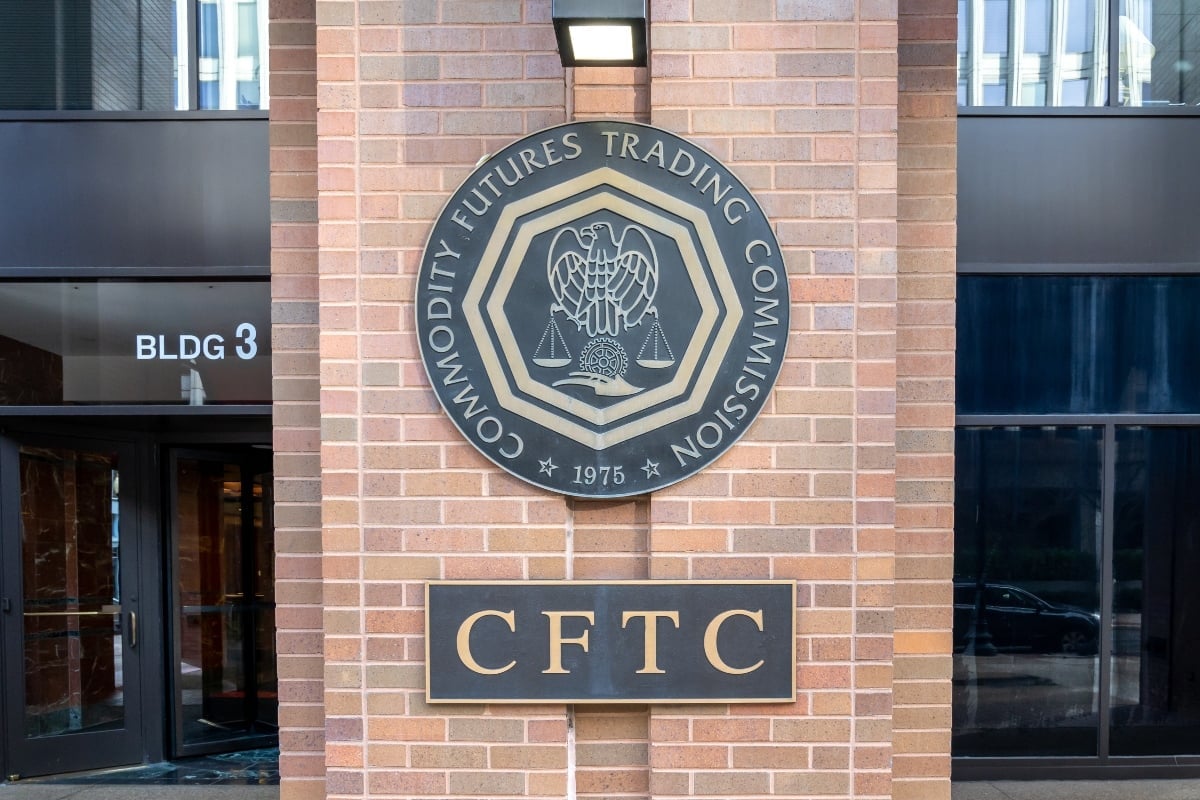
The Commodity Futures Trading Commission (CFTC) announced on October 9, 2026, that it is formally codifying a rule distinguishing casino-style gambling products from derivatives classified as swaps under the Commodity Exchange Act (CEA). The move marks an attempt to clarify regulatory boundaries that have grown increasingly murky in recent years, particularly as prediction markets and sports betting platforms have expanded their product offerings.
Under the codified Interim Final Rule (IFR), traditional casino-style bets and conventional sports wagers placed through licensed sportsbooks are explicitly excluded from the CFTC's swap definition. This clarification aligns with the agency's view that casino gambling has historically fallen under state regulatory jurisdiction rather than federal commodity oversight. CFTC Chairman Michael Selig stated in the announcement: "Casino-style gambling products are not derivatives. Just as the CFTC has done with respect to other products historically regulated by the states, the Commission today provides clarity regarding the limits of its regulatory remit by codifying the exclusion of casino-style gambling products from the swap definition."
However, the codification simultaneously highlights a significant regulatory tension. While the CFTC excludes traditional sports wagers from swap classification, it is aggressively pursuing an expanded definition of swaps that would encompass event contracts traded on prediction markets. The agency contends that event contracts based on sports, politics, culture, and weather outcomes qualify as swaps under the CEA because they can serve purposes beyond speculation, including hedging and price discovery.
Legal experts and industry observers have noted the apparent contradiction in this framework. Critics argue that the distinction between a football bet placed at a licensed sportsbook and a sports event contract traded on a prediction market platform lacks clear justification, particularly when both products derive value from the same underlying outcomes. The CFTC, however, maintains that event contracts carry sufficient financial, economic, or commercial consequence to warrant federal derivative regulation, distinguishing them from consumer-facing gambling products.
The agency's position reflects broader jurisdictional tensions between federal and state regulators. State gaming authorities have traditionally overseen casino operations and sports betting under gambling statutes, while the CFTC claims exclusive authority over derivatives markets. Prediction market supporters have argued that the CEA's language around event-driven contracts and the spirit of federalism suggest states retain gaming authority, but the CFTC reiterates that swaps fall squarely within its regulatory remit.
The IFR will be subject to a 30-day public comment period, during which stakeholders from the prediction market, sports betting, and state gaming sectors are expected to submit positions. The codification represents a deliberate effort by the CFTC to narrow ambiguity around swap definitions, yet the simultaneous expansion of swap coverage to event contracts suggests the regulatory clarity many in the industry sought may remain elusive. Industry participants should monitor the comment period closely, as final rule adoption could materially affect product design and operational compliance across prediction market platforms.
Source
Casino.orgRelated stories

Federal Judge Upholds Las Vegas Strip Pedestrian Bridge Ban Despite Constitutional Concerns

Indiana Congressman Warns Against Northeast Casino Expansion Ahead of November Referendums
Canadian Lottery Coalition Rebrands as CARG Amid Regulatory Upheaval

Australian Lawmakers Push Northern Territory to Adopt Stricter Online Gambling Protections
More on CasinoAdvisor