

Based on reporting by Casino.org →
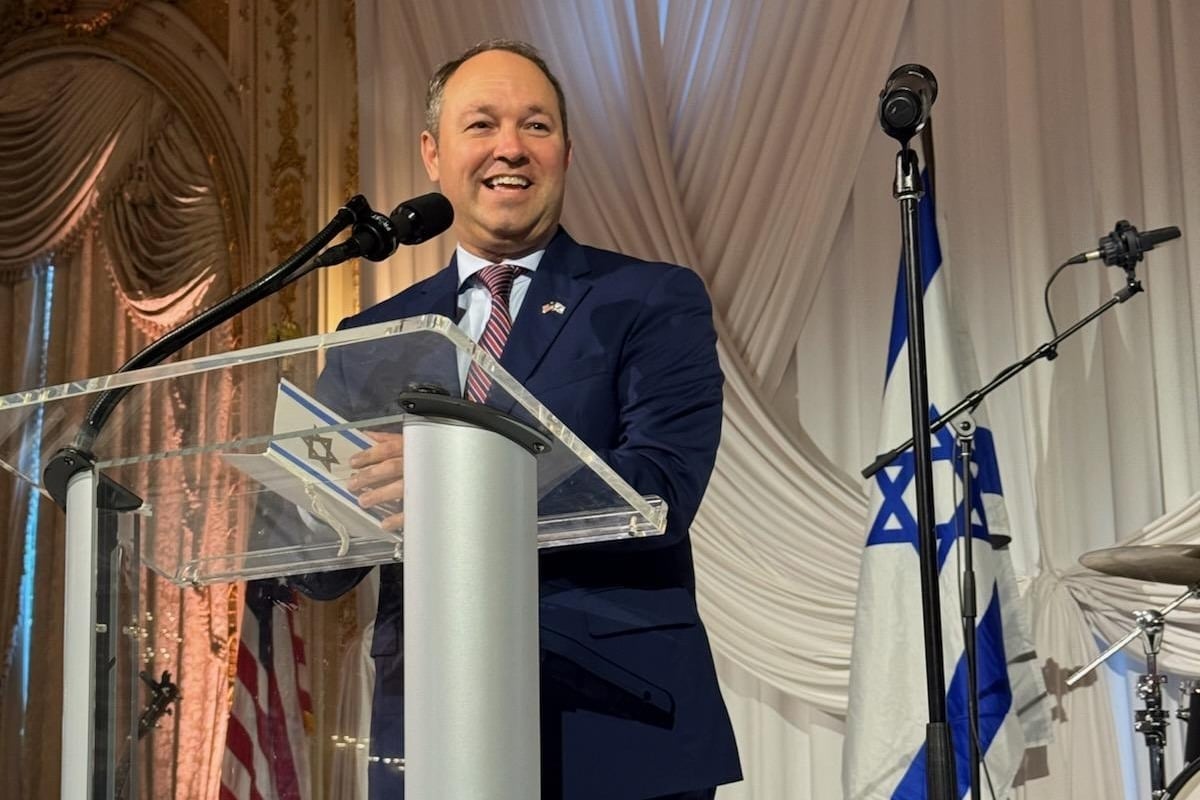
Commercial casino expansion in Northeast Indiana faces political headwinds as U.S. Rep. Marlin Stutzman (R-Ind.) escalates his opposition to three county-level referendums scheduled for November 3, 2026. Voters in Allen, DeKalb, and Steuben counties will decide whether to permit casino operations in their jurisdictions, with the winning location eligible to host a single licensed operator under terms established by House Bill 1038, signed by Governor Mike Braun in March 2026.
Stutzman, who represents the 3rd Congressional District encompassing all three counties, frames gambling as fundamentally predatory. "Casinos win when our neighbors lose," he stated, emphasizing that while many treat gambling as entertainment, operators generate profit specifically from citizens who lose money. He cited research linking rapid-play gambling to addiction severity comparable to cocaine or heroin, and warned that casinos disproportionately burden low-income households, elderly individuals on fixed incomes, and local government services.
The financial structure established by HB 1038 sets a high barrier to entry: prospective operators must pay a one-time $150 million state licensing fee and commit to a minimum $500 million capital investment. This $650 million combined threshold has already proven restrictive. Full House Resorts, which initially lobbied lawmakers to relocate its Rising Star Casino license from Rising Sun to the more lucrative Northeast Indiana market, abandoned those plans after HB 1038 was amended to strip the company of exclusive relocation rights and impose the substantial license fee. The company now intends to maintain operations at its existing Rising Sun location.
Pro-casino coalitions like "Vote Yes for Allen County Casino" have mounted counterarguments, projecting that a casino would create thousands of jobs and generate more than $100 million in annual tax revenue. Such claims remain speculative pending competitive applications to the Indiana Gaming Commission, which must issue a final licensing decision by April 15, 2027, assuming at least one county referendum passes.
Stutzman's opposition occurs within his reelection campaign for a fourth congressional term. Though he faces Democratic challenger Kelly Thompson, a nonprofit founder, his political position appears secure. Nevertheless, Stutzman has prioritized gaming as a campaign issue, positioning business development as a priority while characterizing casinos as economically counterproductive.
The November referendums represent a critical juncture for Indiana's gaming landscape. Success in even one county could trigger competitive bidding among operators capable of meeting the steep financial requirements. Failure across all three would effectively block Northeast Indiana expansion under current law. CasinoAdvisor's ongoing analysis of state gaming markets shows that threshold-based licensing structures like Indiana's tend to concentrate development in proven metropolitan areas where operators can more reliably achieve required investment returns. The Northeast Indiana outcome may signal whether smaller regional markets can support commercial casino development in the current fiscal environment.
Source
Casino.orgRelated stories
Federal Judge Upholds Las Vegas Strip Pedestrian Bridge Ban Despite Constitutional Concerns
CFTC Codifies Rule: Casino-Style Wagers and Sports Bets Are Not Swaps
Canadian Lottery Coalition Rebrands as CARG Amid Regulatory Upheaval

Australian Lawmakers Push Northern Territory to Adopt Stricter Online Gambling Protections
More on CasinoAdvisor