


Based on reporting by Casino.org →
DraftKings has filed a challenge with the U.S. Patent and Trademark Office seeking to invalidate U.S. Patent No. 12,406,284, a geolocation technology patent invented by Commerce Secretary Howard Lutnick during his tenure as CEO of Cantor Fitzgerald. The patent pertains to technology commonly used by sportsbook operators to verify that bettors are placing wagers from jurisdictions where sports gambling is legal.
In its filing for an inter partes review, DraftKings argues that during patent prosecution, the examiner failed to properly apply "prior art" evidence and straightforward combinations that would render the patent's 18 claims obvious and therefore unpatentable. The company is requesting that the Patent Trial and Appeal Board (PTAB) find all challenged claims unpatentable.
This dispute stems from April 2026, when Interactive Games LLC, a Cantor Fitzgerald subsidiary, sued both DraftKings and Flutter Entertainment's FanDuel for allegedly infringing five of its patents. The suit seeks undisclosed financial damages. This marks the second major legal action between the parties; Interactive Games brought similar litigation a decade earlier, which both operators challenged.
The timing and nature of this dispute have raised governance concerns within the gaming and intellectual property sectors. Commerce Secretary Lutnick is now the de facto supervisor of the USPTO, as the Commerce Department maintains jurisdiction over the agency. USPTO Director John Squires, who has praised Lutnick publicly, has already moved to significantly limit access to the PTAB under his leadership. Both Squires and his predecessor have made it more difficult for parties to access the board where DraftKings must now argue its case.
Geolocation services, typically purchased through third-party vendors, have become standard infrastructure in regulated online sports betting markets across the United States. Patent disputes involving such foundational technologies are not uncommon in the online gaming sector, but they rarely involve a party with direct supervisory authority over the patent office.
Cantor Fitzgerald's gaming operations have a complicated history. The parent company sold Cantor Gaming in 2019 after the entity faced money laundering allegations and nearly lost its Nevada license in 2018. Interactive Games represents what remains of that original gaming business structure.
The resolution of this case carries implications beyond the immediate parties involved. As the regulated U.S. online sports betting market continues to expand across state jurisdictions, patent disputes over core technologies like geolocation will likely increase. The outcome could influence how operators approach technology licensing and development strategies moving forward. The structural question of whether parties with government oversight can fairly litigate patent disputes in their respective jurisdictions remains unresolved in gaming industry circles and may draw regulatory scrutiny as the case progresses.
Source
Casino.orgRelated stories

Ohio Pursues Online Casino Legalization With Land-Based Promotion Requirement

Allen County Voters Face November Casino Referendum Amid Dueling Campaign Messages

Deepfake Gambling Ads Target Canadian Athletes as Alberta Regulators Sound Alarm
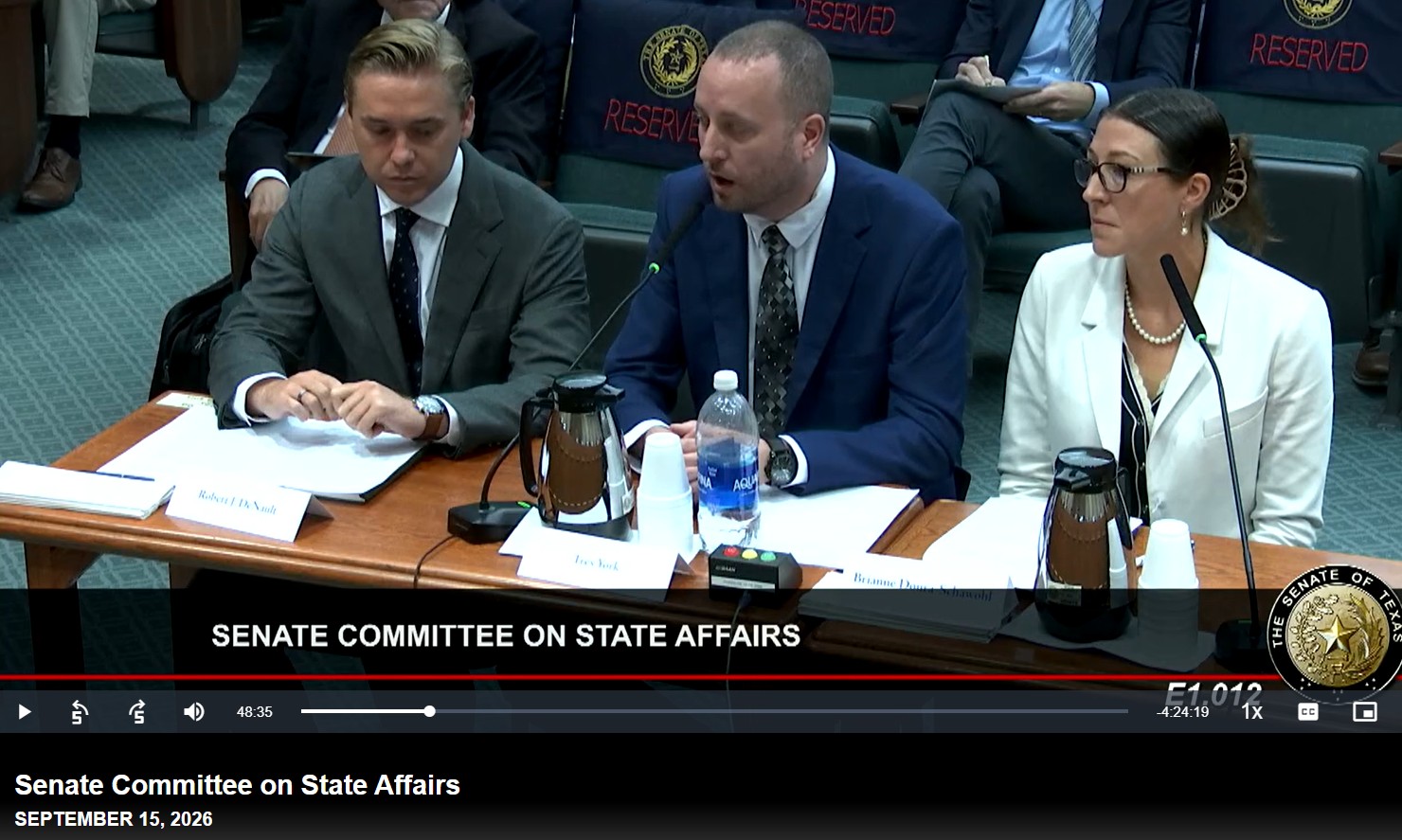
Texas lawmakers clash over prediction market regulation as federal oversight debate intensifies
More on CasinoAdvisor