


Based on reporting by Casino.org →
Allen County, Indiana will ask voters on November 3, 2026 whether to permit inland casino gambling in the county, a decision that could reshape the regional gaming landscape in the Midwest. The referendum, if approved by a simple majority, would allow the county to compete for a commercial casino license through a bidding process overseen by the Indiana Gaming Commission.
The pro-casino group Vote Yes for Allen County Casino has launched a 90-second television advertisement promoting the economic case for a gaming resort in or near Fort Wayne, Indiana's second-largest city and the county seat. The campaign claims the facility would generate 2,000 permanent jobs and over $100 million in annual government revenue without raising taxes. Spokesperson Tim Haffner emphasized education and transparency, stating the goal is to ensure voters have complete information before casting their ballots.
The pro-casino messaging focuses on several purported benefits: tax relief for residents, funding for infrastructure projects, support for public safety and schools, and increased visitor traffic to support small businesses. The campaign narrative centers on economic opportunity and community empowerment.
Opposition to the proposal is organized through Save Fort Wayne, a political action committee assembled last year by anonymous business owners, residents, and faith leaders. The group argues that casinos create a net economic loss rather than gain, and their campaign highlights alleged social consequences including gambling addiction, crime, bankruptcies, divorces, mental health issues, fatal accidents, child neglect, human trafficking, and poverty. Their website features an interactive slot machine symbolizing these claimed negative outcomes.
The Allen County casino referendum exists within a broader regional policy framework. Indiana House Bill 1038, signed by Governor Mike Braun in March 2026, authorized a single casino license in one of three northeastern Indiana counties: Allen, DeKalb, or Steuben. The legislation originated from Full House Resorts' interest in relocating its Rising Star Casino from Rising Sun to a more economically attractive market. However, the bill underwent significant modifications during the legislative process. Lawmakers removed Full House's exclusivity provision, opened bidding to any US-licensed commercial casino operator, imposed a $150 million one-time licensing fee, and mandated a $500 million minimum investment requirement. These changes effectively eliminated Full House's viability as a bidder, with CEO Daniel Lee noting in March that the company would maintain operations in Rising Sun.
If any of the three counties approves its referendum, county government must conduct a request for proposals process and submit the winning project to the Indiana Gaming Commission for final approval. This multi-stage process means November's vote, while decisive, represents the first step in a lengthy regulatory approval journey.
The Allen County referendum reflects broader national trends in casino expansion and the ongoing tension between economic development arguments and social impact concerns. Regional gaming operators continue seeking new markets, while communities grapple with weighing promised tax revenue and employment against documented public health and social service costs associated with expanded gambling access.
Source
Casino.orgRelated stories
Ohio Pursues Online Casino Legalization With Land-Based Promotion Requirement

Deepfake Gambling Ads Target Canadian Athletes as Alberta Regulators Sound Alarm
DraftKings Challenges Lutnick Geolocation Patent as USPTO Faces Conflict Questions
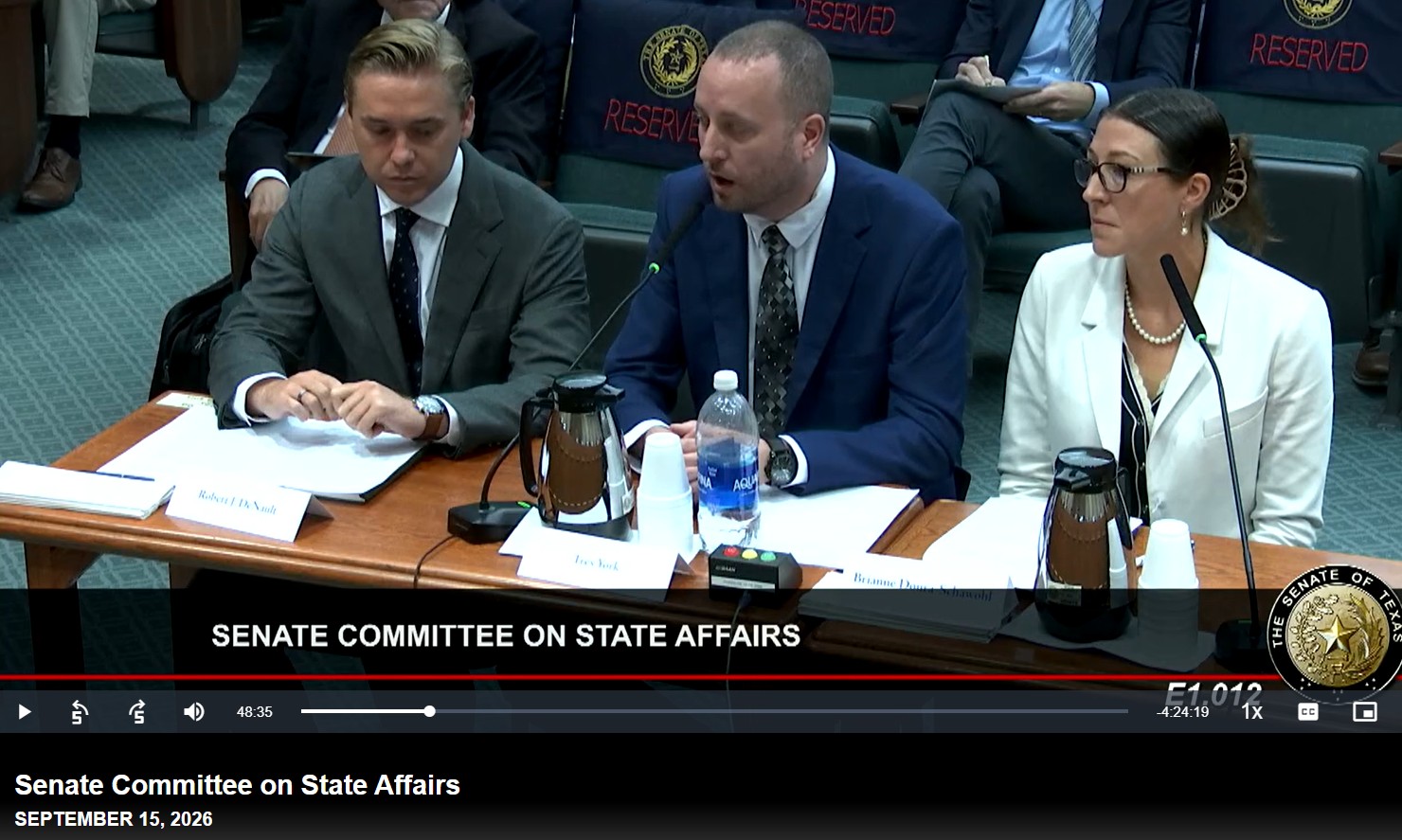
Texas lawmakers clash over prediction market regulation as federal oversight debate intensifies
More on CasinoAdvisor