


Based on reporting by GamblingNews →
Canadian gambling regulators are confronting a new threat to their nascent legal markets: deepfake technology weaponized to promote unlicensed offshore casinos. The latest high-profile case involves an Instagram advertisement from an account called Prime Spin Zone that used artificial intelligence to create convincing video of Alphonso Davies' father being arrested by police in Edmonton, followed by imagery of large sums of cash allegedly won through gambling. The deepfake version of Davies' father then appears to endorse the casino, with a synthetic version of Canadian rapper Drake reportedly added to bolster credibility. Clicking the promotion redirects users to Oxibet, an operator based in Comoros that holds no license to operate in Alberta's regulated iGaming market.
Davies' agent Nedal Huoseh firmly denied any connection between the athlete's family and gambling services, stating the family has no involvement with such promotions and indicating legal action against those responsible for creating the material. The incident underscores a fundamental problem facing regulators across Canada: deepfake technology has advanced to the point where it produces believable video and audio that makes individuals appear to endorse services they have never promoted, making detection and prevention exponentially more difficult than previous scam methods that relied on stolen photos or logos.
The timing of the Davies advertisement coincides with Alberta's aggressive push to establish a legitimate online gambling market. The province launched its regulated iGaming system on July 13, 2025, specifically designed to shift player traffic away from offshore operators toward licensed platforms subject to provincial oversight. As of the latest reports, Alberta now hosts 31 registered iGaming operators, all required to comply with strict advertising standards. Licensed operators must display the Alberta iGaming Corporation logo on all marketing materials and face restrictions on professional athlete endorsements. While athletes cannot directly promote gambling products, they may participate in responsible gambling and player protection campaigns.
Alberta Gaming, Liquor and Cannabis regulators have issued multiple warnings to residents, urging them to verify operator licensing before depositing funds or placing bets. The regulator maintains an official list of approved operators that serves as the authoritative source for consumer verification. However, the sophistication of deepfake technology means traditional awareness campaigns may prove insufficient. The Davies case represents only one instance within a broader pattern of fake gambling promotions leveraging the identities of celebrities, well-known gambling companies, and established casinos.
For Alberta's nascent regulated market, these offshore deceptions represent more than consumer protection challenges. They directly undermine the regulatory framework's core objective: consolidating player activity within licensed operators that meet provincial compliance standards and generate tax revenue. With 31 operators now competing in Alberta's market, regulators face the dual pressure of fostering a competitive legal sector while simultaneously combating an offshore industry that increasingly employs sophisticated synthetic media to obscure its unlicensed status. Consumer education remains critical, but the evolution toward deepfakes suggests that technological solutions may ultimately prove necessary to protect both players and the legitimacy of regulated gambling in Canada.
Source
GamblingNewsRelated stories
Ohio Pursues Online Casino Legalization With Land-Based Promotion Requirement
Allen County Voters Face November Casino Referendum Amid Dueling Campaign Messages
DraftKings Challenges Lutnick Geolocation Patent as USPTO Faces Conflict Questions
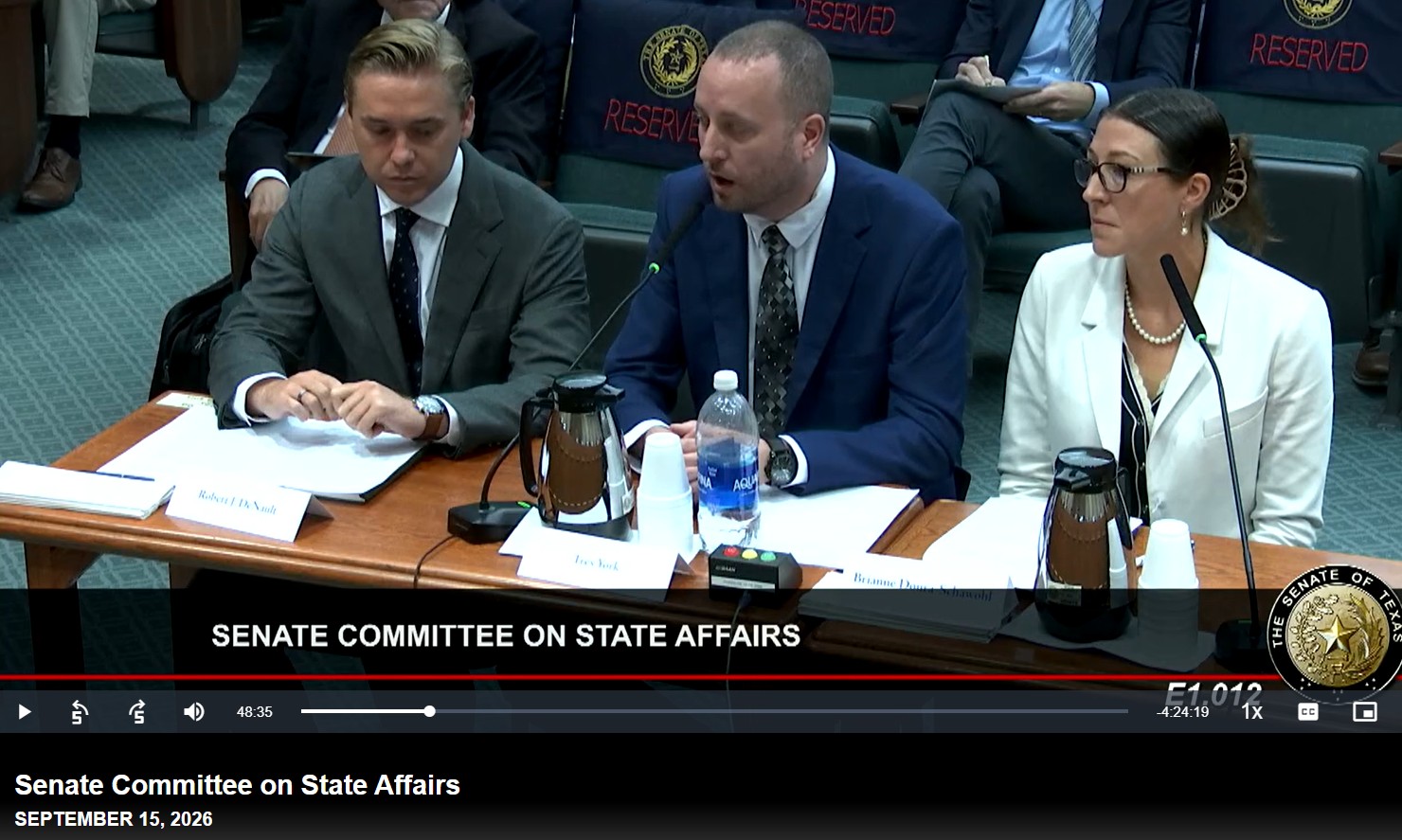
Texas lawmakers clash over prediction market regulation as federal oversight debate intensifies
More on CasinoAdvisor