

Based on reporting by iGaming Business →
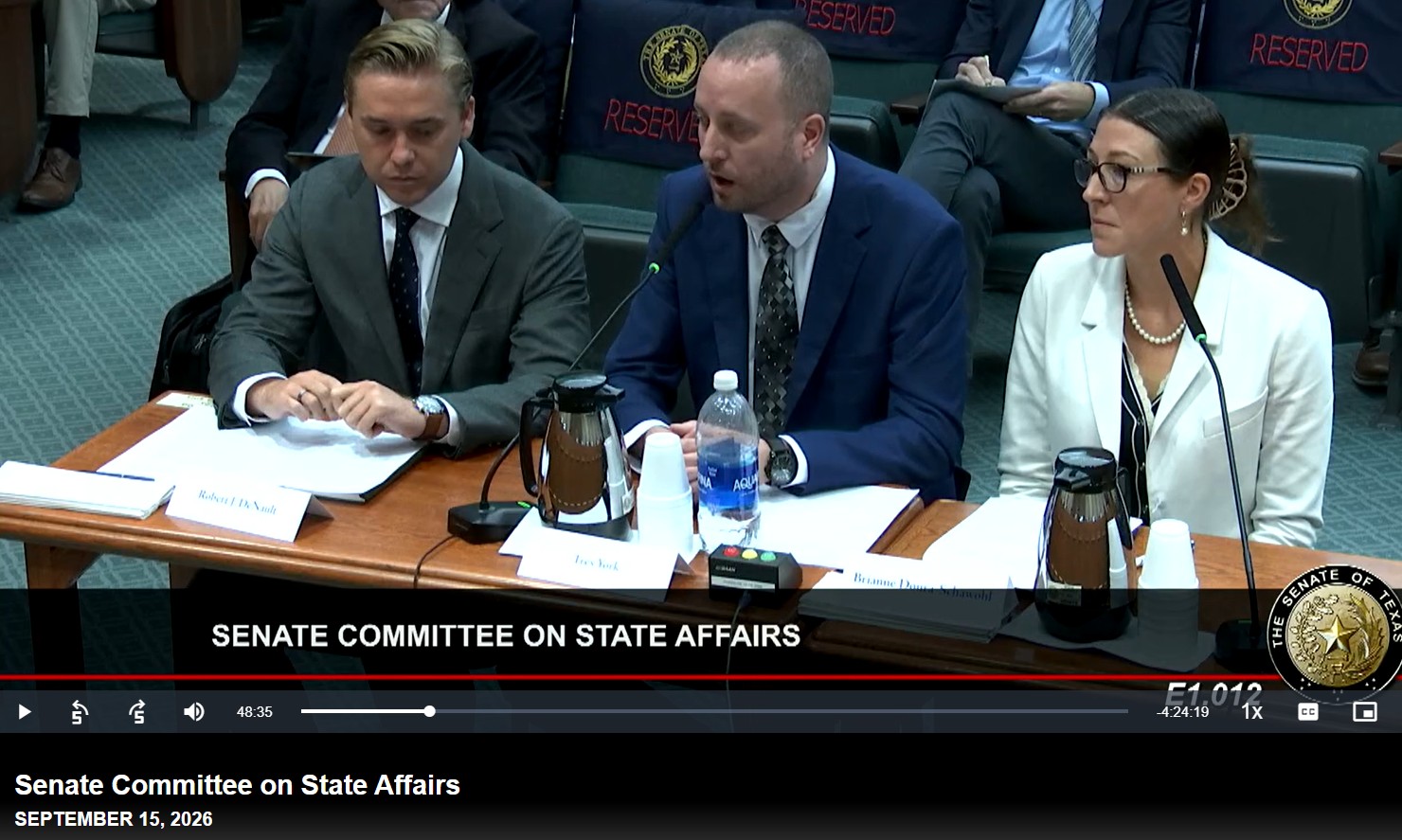
The American Gaming Association and Kalshi presented starkly opposing visions for prediction market regulation during a 62-minute Texas Senate hearing on September 15, 2026, setting the stage for potential state-level action in 2027.
The hearing, convened by state Senator Bryan Hughes before the Senate Committee on State Affairs, focused on the regulatory gray zone occupied by event contracts - derivatives instruments traded on federally regulated exchanges that functionally resemble sports wagers, which remain illegal in Texas. Trading volumes underscore the market's significance: a single NFL game between the Dallas Cowboys and New York Giants generated $208 million in prediction market trading across US platforms, while a college football matchup between Ohio State and Texas exceeded 50.7 million contracts traded. Research from Eilers & Krejcik Gaming found that Texas and California together accounted for 43% of all sports event contract activity nationwide.
The AGA, represented by Vice President Tres York, argued for aggressive state intervention. York contended that event contracts are functionally indistinguishable from traditional sports wagers and recommended that Texas pursue litigation in state court - where state regulators have found more success than in federal circuit courts - and implement geofencing to block prediction market platforms statewide. York's testimony reflected the AGA's broader skepticism toward prediction markets as an alternative gambling product.
Kalshi's head of enforcement and legal counsel, Robert DeNault, countered that federally regulated prediction markets offer consumer protections superior to offshore operators. DeNault warned legislators that a ban would likely drive Texans toward unregulated international platforms lacking CFTC oversight. He framed the choice as between regulated federal alternatives and the actual consumer harm posed by offshore operators.
State Senator Bob Hall, 84, expressed skepticism of distinctions between prediction markets and traditional sports betting, characterizing event contracts as "different costumes on gambling." His comments reflected lingering legislative discomfort with the product category regardless of regulatory classification.
The timing of the hearing carries political weight. Governor Greg Abbott faces re-election in November alongside Lieutenant Governor Dan Patrick, who has consistently opposed sports betting legalization efforts since the 2018 PASPA decision. The outcomes of concurrent races for Texas Attorney General and US Senate may significantly influence how the state proceeds.
The hearing also highlighted emerging consumer protection concerns. Problem gambling expert Brianne Doura-Schawohl cited research showing 52% of Gen Z respondents view sports betting and prediction markets as part of their long-term financial planning. She criticized competitor platforms offering features that allow minors over 17 to link investment accounts for trading event contracts, describing the practice as dangerous for teenagers.
Outside Texas, Kalshi announced a historic partnership with the Tunica-Biloxi Tribe of Louisiana to launch a tribal prediction market app, representing the first such collaboration between a prediction market operator and a federally recognized sovereign nation. However, the Indian Gaming Association reported unproductive meetings with CFTC Chair Michael Selig regarding prediction market regulation on tribal lands. The Ninth Circuit's reversal in Blue Lake Rancheria v. Kalshi reinforced that IGRA restrictions apply when sports event contracts are accessed on Indian land.
The Texas hearing reflects broader regulatory uncertainty as prediction market operators navigate inconsistent treatment across state and federal jurisdictions. How Texas ultimately responds will likely influence other major markets considering similar frameworks.
Source
iGaming BusinessRelated stories

UK House of Lords Recommends Comprehensive Gambling Advertising Ban
House Committee Advances Plan to Restore Full Federal Gambling Loss Deduction
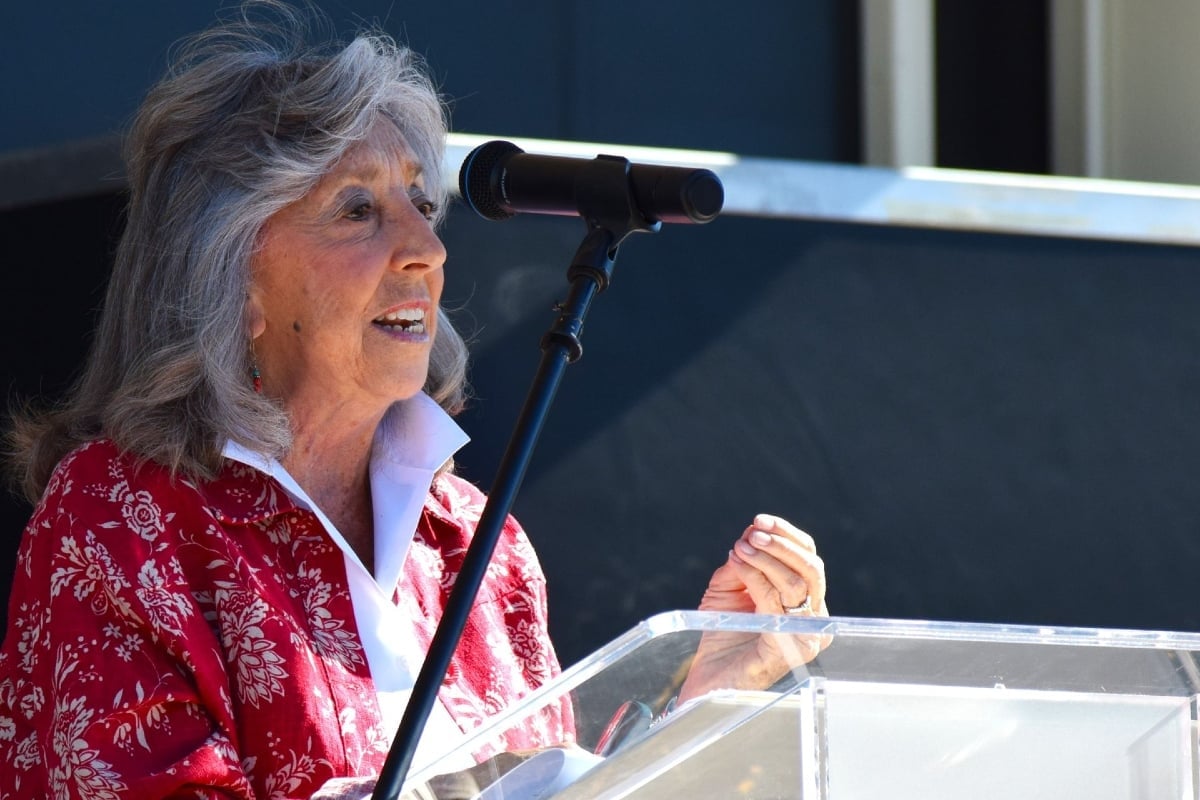
Titus Renews Push to Restore Full Federal Gambling Loss Deduction

Spectrum Gaming Report Confirms Evolution Games in Prohibited Markets, Flags Compliance Gaps
More on CasinoAdvisor