

Based on reporting by Casino.org →
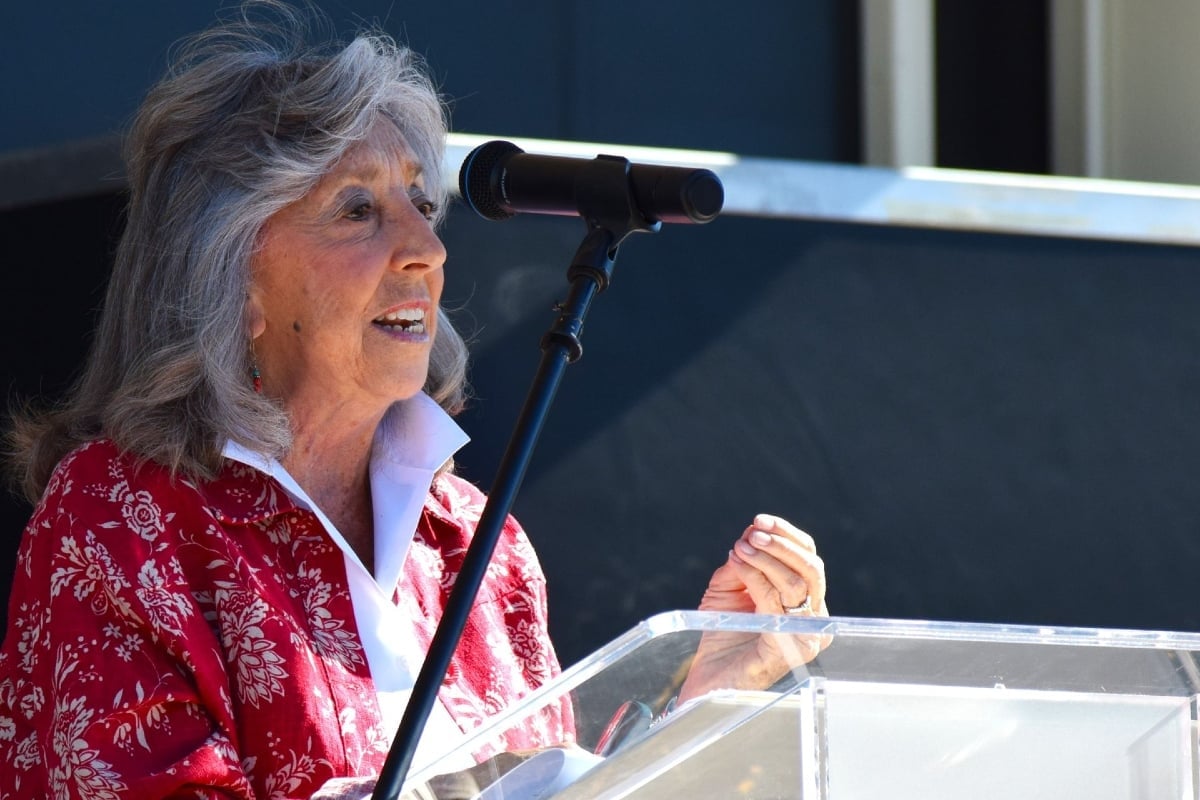
U.S. Representative Dina Titus (D-NV) is maintaining pressure on Congress to restore the full federal deduction for gambling losses, a provision that allowed American gamblers to offset 100% of their losses against winnings for tax purposes until the Republican-backed One Big Beautiful Bill (OBBBA) reduced it to 90% in July 2025.
Titus's FAIR BET Act (Fair Accounting for Income Realized from Betting Earnings Taxation) directly targets this reduction. Under the current 90% cap, a gambler who wins $100,000 but loses $100,000 in the same tax year would still owe federal taxes on $10,000 in what the industry calls "phantom income." This scenario highlights the core complaint from gambling constituencies: the tax code now penalizes break-even gamblers and creates what supporters argue is fundamentally unfair taxation.
The legislation has attracted bipartisan backing, with 11 Republicans co-sponsoring the House bill alongside Titus and 14 Democrats. In the Senate, Senator Catherine Cortez Masto (D-NV) introduced a companion measure, the FULL HOUSE Act (Facilitating Useful Loss Limitations to Help Our Unique Service Economy), which has secured Republican support including from Texas Senator Ted Cruz, one of the Senate's most influential voices. Cruz characterized restoration as "a matter of basic fairness," framing the issue as ensuring "gamblers are taxed on what they actually earn."
Despite this bipartisan coalition, neither the FAIR BET Act nor the FULL HOUSE Act has advanced to a floor vote more than a year after their introduction. Senate Republican leadership blocked the FULL HOUSE Act on procedural grounds, citing the constitutional requirement that tax bills originate in the House.
The broader context reveals competing priorities within the Republican caucus. The Senate Finance Committee originally included the 90% cap in the OBBBA based on concerns that high-stakes gamblers were using the full deduction to evade federal taxes. By capping deductions at 90%, lawmakers argued they would guarantee minimum tax payments from this segment of the population. House Ways and Means Committee Chair Jason Smith (R-MO) has stated support for 100% restoration but has instead backed Representative Andy Barr's (R-KY) competing WAGER Act (Winnings and Gains Expense Restoration). However, despite Barr's bill being introduced in July 2025, Smith has not scheduled it for committee consideration.
The stalled momentum reflects a crowded legislative agenda. With Congress prioritizing defense spending, appropriations measures, and cryptocurrency regulatory frameworks, gambling tax relief has become a lower priority despite its significance to Nevada's economy and the broader gaming industry. The situation underscores a familiar pattern in tax policy: bipartisan agreement on an issue does not guarantee legislative passage when other pressing matters dominate a limited congressional calendar.
For Nevada's gaming markets and the broader U.S. gambling industry, resolution of this issue carries implications for both consumer behavior and operator profitability. The current tax treatment may influence participation rates among recreational and professional gamblers alike.
Source
Casino.orgRelated stories

Spectrum Gaming Report Confirms Evolution Games in Prohibited Markets, Flags Compliance Gaps
FATF Updates Money Laundering Risk Framework for Gaming and Gambling Sectors
Office NFL Pools Carry Real Legal Risk Despite Rare Prosecutions

Underdog Launches Five-State Legal Challenge to Block State Gambling Laws on Prediction Markets
More on CasinoAdvisor