

Based on reporting by Casino.org →
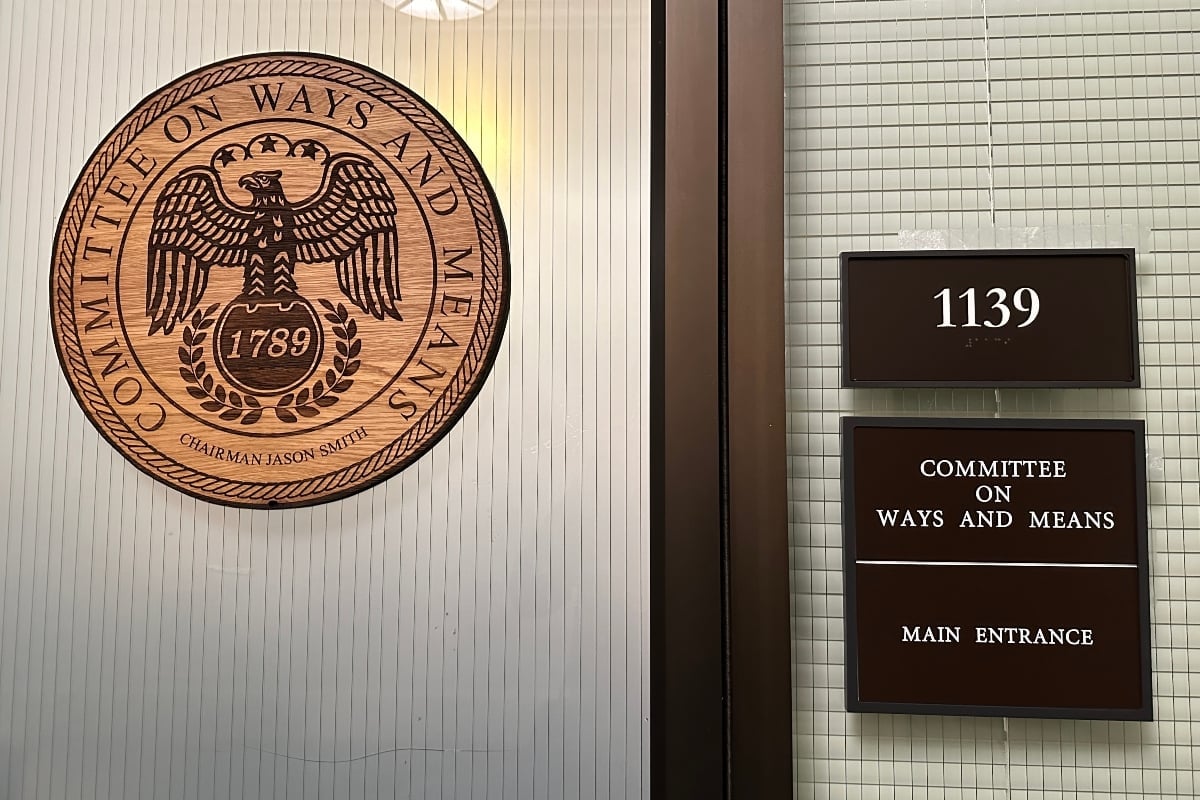
The U.S. House Ways and Means Committee is advancing a proposal to eliminate the 90% limitation on federal tax deductions for gambling losses, potentially restoring full deductibility for bettors nationwide. The provision, embedded in the Digital Asset Tax Certainty Act (H.R. 10357) and set for committee consideration on September 16, 2026, would allow taxpayers to deduct 100% of wagering losses against gambling winnings for tax years beginning after December 31, 2025, including retroactive application to 2026.
The reinstatement provision, located on page 95 of the 98-page legislative package, is based on the bipartisan FULL HOUSE Act (Facilitating Useful Loss Limitations to Help Our Unique Service Economy), introduced in January by Rep. Max Miller (R-OH). The bill has attracted support from both sides of the aisle, with cosponsors including Nevada Democrats Reps. Steven Horsford and Susie Lee, along with two Republicans and four other Democrats.
Nevada representatives have positioned the proposal as essential to protecting the state's gaming economy and the workers dependent on tourism and gaming revenue. "People should not pay taxes on money they never earned," Horsford stated, emphasizing that the deduction removal unfairly burdened the state's economy. Rep. Dina Titus, who authored a complementary measure called the FAIR BET Act (Fair Accounting for Income Realized from Betting Earnings Taxation), similarly urged colleagues to expedite passage.
The current 90% limitation was enacted by Senate Republicans in 2025, significantly restricting gambling loss deductions compared to historical precedent. The change impacted casual bettors, professional gamblers, and gaming enthusiasts who previously could fully offset winnings with losses for tax purposes.
Prediction market activity reveals substantive uncertainty about final passage. More than $3.1 million has been wagered on whether the limitation will be repealed by April 1, 2027, with traders currently assigning a 48% probability to repeal. This relatively modest confidence level suggests market participants view passage as competitive but far from assured, despite the provision's inclusion in a major tax package and bipartisan sponsorship.
The timing matters significantly. Committee consideration this week could accelerate the legislative process, though successful passage through both chambers remains uncertain. Tax provisions frequently face opposition from deficit hawks and revenue-concerned lawmakers, and integration into a broader digital asset taxation bill creates multiple pressure points where the gambling deduction language could be stripped.
For the gaming industry, restoration would represent a meaningful policy victory, potentially improving demand signals and player satisfaction by restoring historical tax treatment. The provision's retroactive application to 2026 would allow affected taxpayers to amend returns and claim refunds dating back to January 1 of that year, creating near-term administrative activity for tax professionals servicing gaming customers.
Source
Casino.orgRelated stories

Titus Renews Push to Restore Full Federal Gambling Loss Deduction

Spectrum Gaming Report Confirms Evolution Games in Prohibited Markets, Flags Compliance Gaps
FATF Updates Money Laundering Risk Framework for Gaming and Gambling Sectors

Office NFL Pools Carry Real Legal Risk Despite Rare Prosecutions
More on CasinoAdvisor