

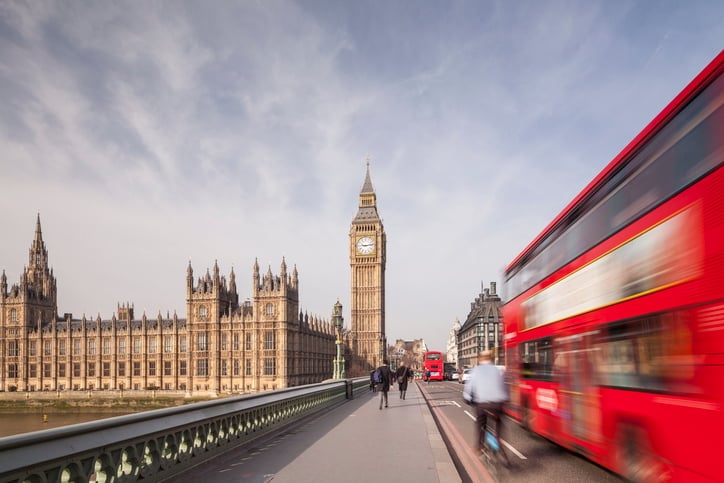
Based on reporting by Casino.org →
The UK gambling regulatory landscape faces a significant challenge following a September 2026 House of Lords committee report that recommends a comprehensive ban on all gambling advertising. The committee, acting through its Liaison Committee, concluded that current restrictions have not kept pace with market evolution, particularly in digital advertising and promotional channels.
The Lords' position represents a hardening stance compared to a 2020 inquiry by a previous committee, which had stopped short of recommending an outright ban. The new report cited estimates that between 1 million and 1.5 million adults in Great Britain experience problem gambling, while noting "clear indications of public concern at the volume of gambling advertising." Lord Foster of Bath, the acting former chair, argued that an advertising ban would "shrink, rather than grow, the gambling sector and that this would make a positive difference to millions of people across the country."
The committee directly addressed a primary concern raised by industry stakeholders: that restricting advertising by licensed operators would displace players toward unlicensed gambling sites. The Lords stated they were "unconvinced" that such displacement would occur at a significant scale. This conclusion drew sharp criticism from Betting and Gaming Council CEO Grainne Hurst, who called the report "deeply misguided" and highlighted what she described as the committee's dismissal of "the rapidly growing threat from the criminal gambling market."
Hurst pointed to international precedent, citing Italy and the Netherlands as jurisdictions where advertising restrictions have coincided with increased concerns about unlicensed gambling activity. She emphasized that advertising represents a key competitive advantage for licensed and regulated operators over illegal websites. The BGC had previously warned that the UK's black market for Premier League betting alone was on track to reach GBP 1 billion annually, suggesting enforcement of a ban without addressing illegal operators could exacerbate this problem.
While rejecting an advertising ban, Hurst stated the industry was not opposed to "robust advertising rules" where evidence supported them. She framed the BGC's position as advocating for "proportionate, evidence-led regulation which recognizes the fundamental difference between businesses operating within one of the most tightly controlled sectors of the economy and illegal operators who ignore every rule."
The report now faces the UK government, which must decide whether to advance a legislative proposal. The outcome will likely influence how other jurisdictions approach similar questions. For operators and platforms in the UK market, the recommendation signals continued regulatory pressure on promotional activities. This development underscores the tension regulators face between reducing gambling harm and maintaining competitive conditions for licensed entities, a balance that has animated policy discussions across multiple markets globally.
Source
Casino.orgRelated stories
House Committee Advances Plan to Restore Full Federal Gambling Loss Deduction

Titus Renews Push to Restore Full Federal Gambling Loss Deduction

Spectrum Gaming Report Confirms Evolution Games in Prohibited Markets, Flags Compliance Gaps
FATF Updates Money Laundering Risk Framework for Gaming and Gambling Sectors
More on CasinoAdvisor