

Based on reporting by Casino.org →
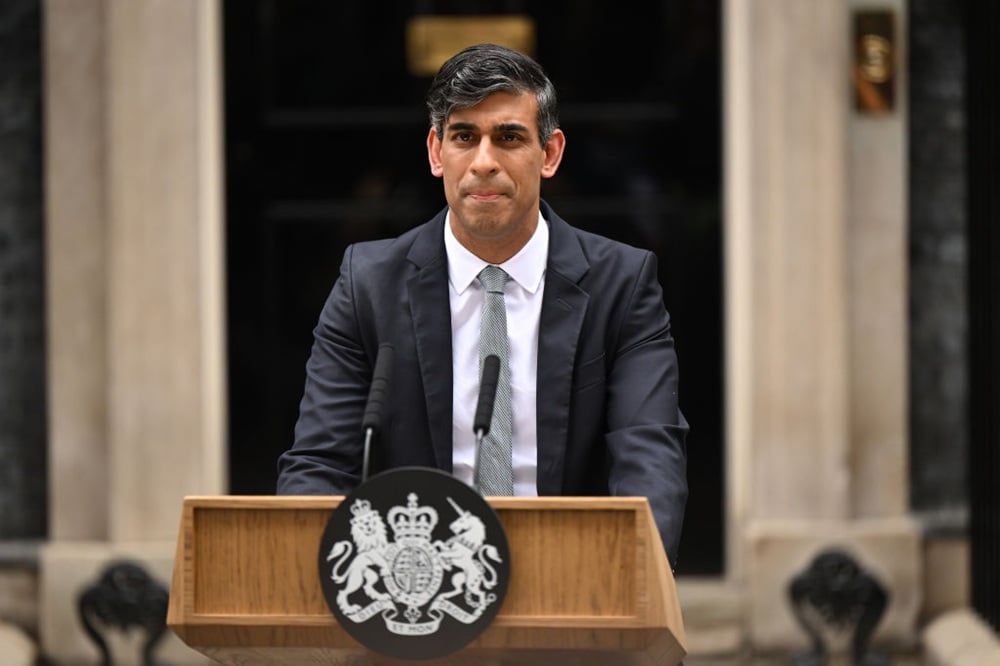
The United Kingdom's gambling enforcement framework faced a high-profile test on October 23, 2026, when three individuals linked to Britain's Conservative Party received suspended prison sentences for cheating under the Gambling Act. Anthony Lee, 49, the party's former director of campaigning, Laura Lee, 38, his wife and Conservative parliamentary candidate, and Amy Hind, 36, a former party employee, all admitted to placing bets on the timing of the July 4, 2024 general election using confidential information they obtained through their political positions.
At London's Southwark Crown Court, Anthony Lee received a 10-month-and-two-week suspended sentence, Laura Lee a four-month-and-two-week suspension, and Hind a six-month suspension. Beyond incarceration, the trio face 12-month bans on using online gambling sites or apps, probation requirements, and unpaid community service ranging from 40 to 100 hours. The couple was ordered to pay combined compensation exceeding GBP 10,000.
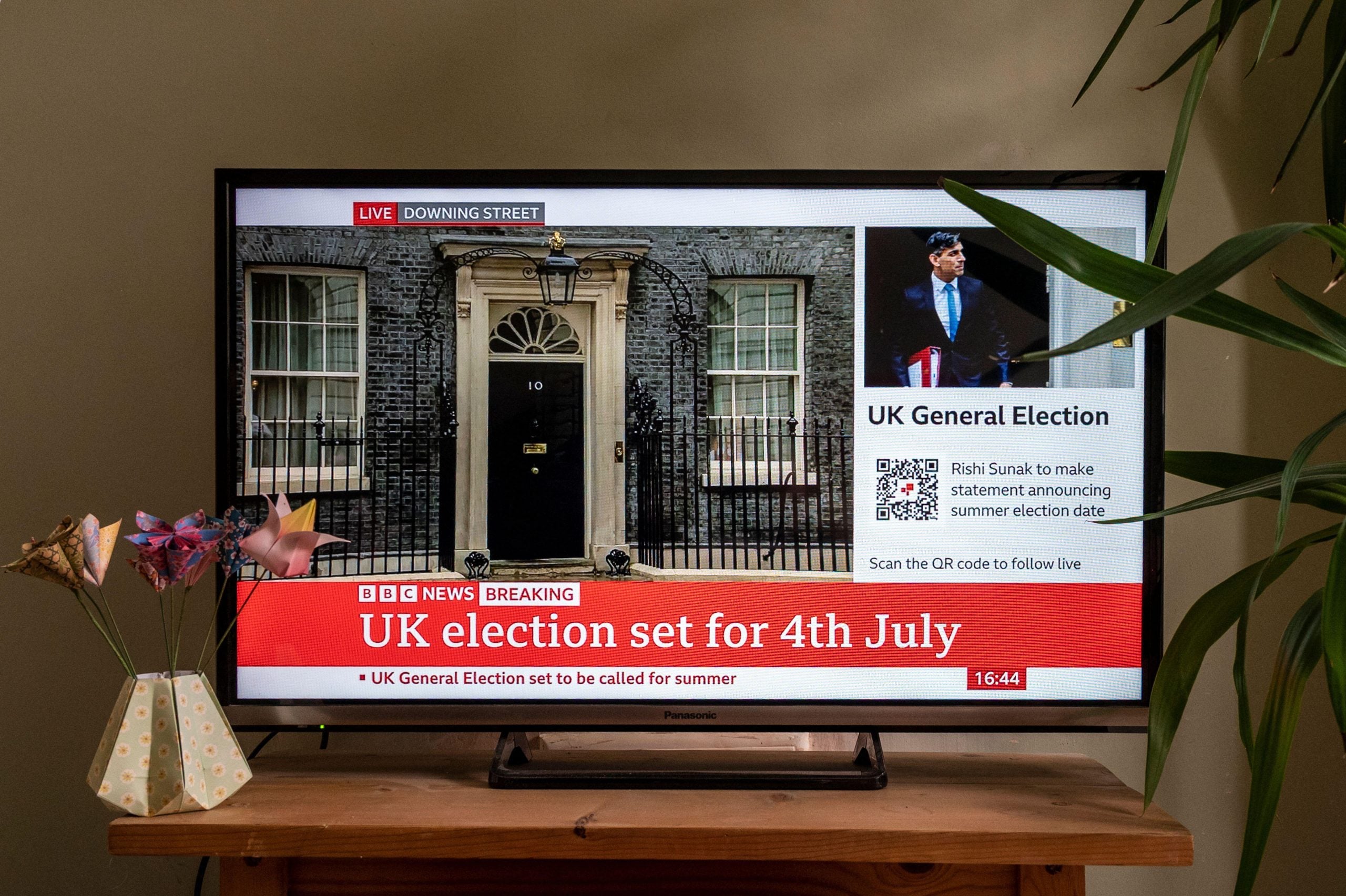
The scandal emerged from Prime Minister Rishi Sunak's surprise May 22, 2024 announcement that voters would go to the polls on July 4. As the governing party, senior Conservatives possessed advance knowledge of the election date through confidential internal discussions and preparations. Lee, who was privy to sensitive discussions about possible election dates at a private Downing Street meeting on March 10, placed or attempted 71 bets between March and May, staking over GBP 2,000 and standing to win more than GBP 23,000. His wife placed eight bets and attempted a ninth. Hind obtained confidential information from either her husband, a senior Conservative digital official, or party headquarters contacts, placing four bets and attempting three more that could have yielded more than GBP 26,000 had all been accepted and paid out.
Judge Tony Baumgartner emphasized that the defendants' actions undermined public confidence in the democratic process itself. The case reflects a broader integrity concern in betting markets when participants possess material non-public information, a principle well-established in financial markets but increasingly relevant to the sports and political betting sectors.
The scandal's political timing was particularly damaging. It unfolded during the Conservative Party's disastrous 2024 election campaign, which resulted in a landslide victory for the opposition Labour Party after 14 years of Conservative governance. The betting violations compounded perceptions of institutional decay and ethical failure at the highest levels of government.
Craig Williams, a senior parliamentary aide to Sunak, separately pleaded guilty to cheating and awaits sentencing after placing a GBP 100 bet on a July election just three days before the announcement. Ten additional defendants facing election-related gambling charges are scheduled for trial in 2027 and 2028, suggesting the scandal may continue reverberating through the UK courts for years.
For the broader gambling industry, the case underscores regulatory vulnerabilities in political betting markets. British bookmakers had openly accepted election date wagers, but lacked mechanisms to prevent informed insiders from exploiting their knowledge advantages. The suspended sentences reflect judicial reluctance to imprison white-collar offenders in relatively low-stakes cases, yet the 12-month online gambling bans signal meaningful regulatory consequences. As betting markets expand globally and political betting grows in popularity, regulators face mounting pressure to develop safeguards preventing insider abuse while maintaining market accessibility.
Source
Casino.orgRelated stories
Three Conservative figures sentenced in UK election betting scandal
Pentagon Warns Military on Prediction Market Trading as Security Threat Emerges

Brazil's Biggest Bettor Wagered $1.3B Amid Money-Laundering Probe and Political Ties
Last Mob Era Survivor Joey Cusumano Dies at 90, Closing Vegas Crime Chapter
More on CasinoAdvisor