

Based on reporting by Casino.org →
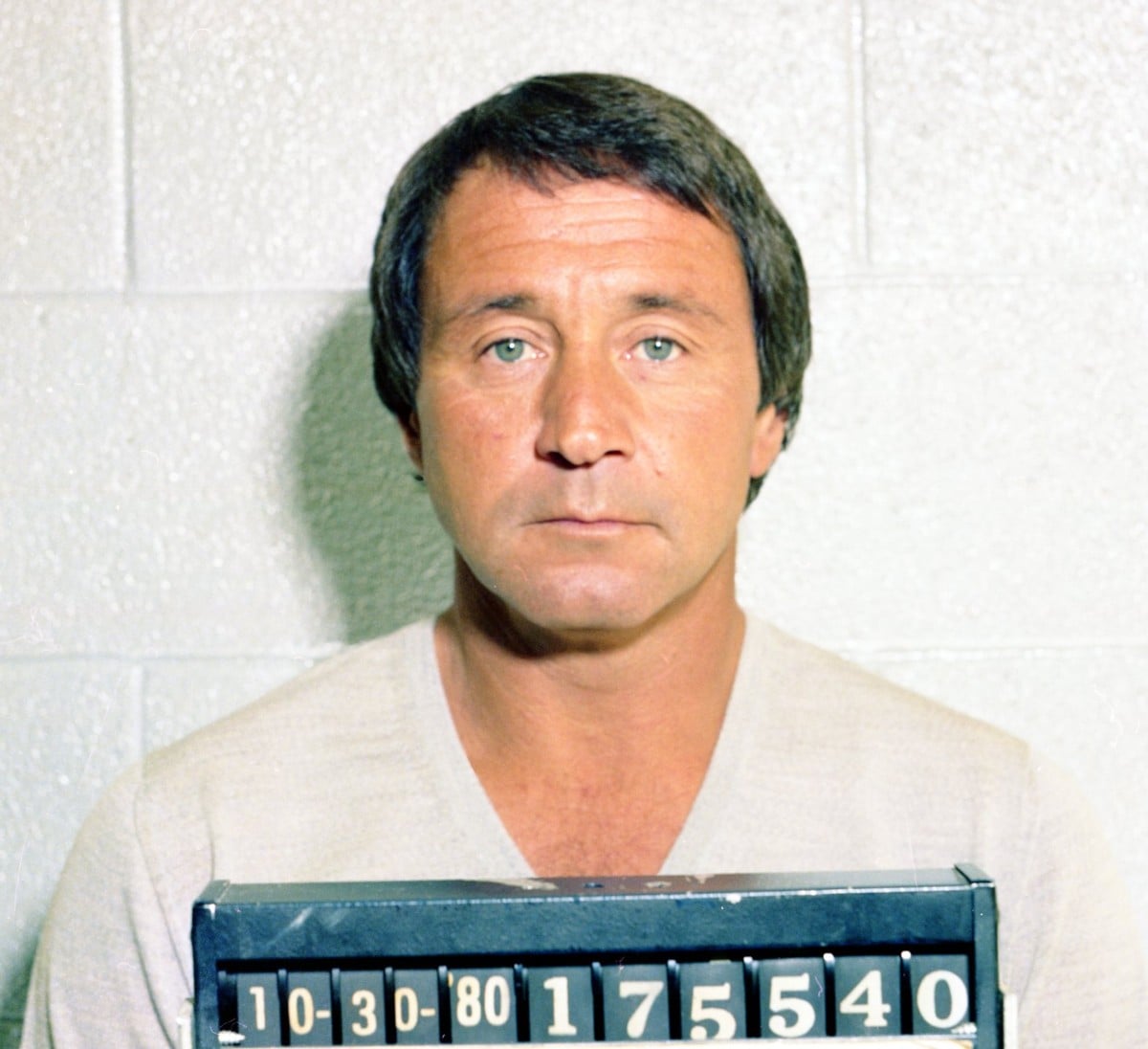
The death of Joseph 'Joey' Cusumano on October 20, 2026, marks the closing of a significant chapter in Las Vegas organized crime history. At 90 years old, Cusumano was believed to be the last surviving associate of Tony Spilotro, the Chicago outfit's ruthless Las Vegas enforcer whose criminal activities became the subject of Martin Scorsese's acclaimed 1995 film 'Casino.'
Cusumano's journey from New York to the Strip illustrates the deep organizational reach that organized crime maintained over Las Vegas casinos during the mob's peak influence. Arriving in Nevada in 1968, he initially found work at Caesars Palace while the property remained under mob influence, handling the delicate task of delivering skimmed casino profits to New York-based Genovese bosses Anthony Salerno and Vincent Alo. By 1970, he transitioned to owning Joey's New Yorker, an Italian restaurant south of the Sands that became a Strip institution and headquarters for various criminal enterprises.
Working closely with Spilotro throughout the early 1970s, Cusumano participated in street-level racketeering operations and became a member of Spilotro's Hole in the Wall burglary gang. His reach extended beyond traditional casino operations into Hollywood, where he and Spilotro helped secure financing and manage on-set issues for Francis Ford Coppola's 1984 film 'The Cotton Club,' earning Cusumano a line-producer credit.
Following the 1986 murders of Spilotro and his brother Michael, Cusumano reportedly declined an offer to assume control of the Chicago outfit's Las Vegas operations. However, his criminal past caught up with him in 1987 when he was convicted of labor racketeering for diverting funds from the Culinary Union's life-insurance program. Upon his June 1990 release from prison, Nevada authorities added him to the state's Black Book, permanently banning him from entering any casino.
That same October, an assassination attempt nearly ended his life when a masked gunman ambushed Cusumano as he opened his garage door at Las Vegas Country Club, shooting him multiple times in the shoulder. He survived, entering what would become a 36-year period of quiet redemption.
Cusumano's later years reflected a conscious effort to distance himself from his criminal identity. He remained in Las Vegas, enjoying tennis at the country club and maintaining relationships with figures like Oscar Goodman, who transitioned from defending him as an attorney to becoming Las Vegas mayor. Cusumano formulated the menu for Oscar's Steakhouse in downtown Las Vegas, yet could never dine there personally because the restaurant operated inside the Plaza casino, a facility where his Black Book status prohibited entry.
In 2012, Las Vegas Review-Journal columnist John L. Smith called Cusumano 'the luckiest man in Las Vegas,' noting how he had outlived both his threats and the era that defined him. Cusumano's own reflection on his transformation proved poignant: 'I lived what I lived, and it's over. The best thing about the way I'm living now is the peace.'
Cusumano's death removes one of the last living links to an era when organized crime operatives wielded significant influence over major Strip properties. His survival into the modern age, combined with his eventual pivot toward legitimate business and his friendship with Goodman, represented a rare redemption narrative within that criminal ecosystem.
Source
Casino.orgRelated stories

Brazil's Biggest Bettor Wagered $1.3B Amid Money-Laundering Probe and Political Ties

Dutch Regulator Imposes Record EUR 37M Fine on Unlicensed Online Operator

Taiwan Lottery Fraud Case Exposes Vulnerability in Receipt-Based Betting System

UK Regulator Fines L&L Europe 900K Pounds for Withdrawal Delays and AML Failures
More on CasinoAdvisor