

Based on reporting by Casino.org →
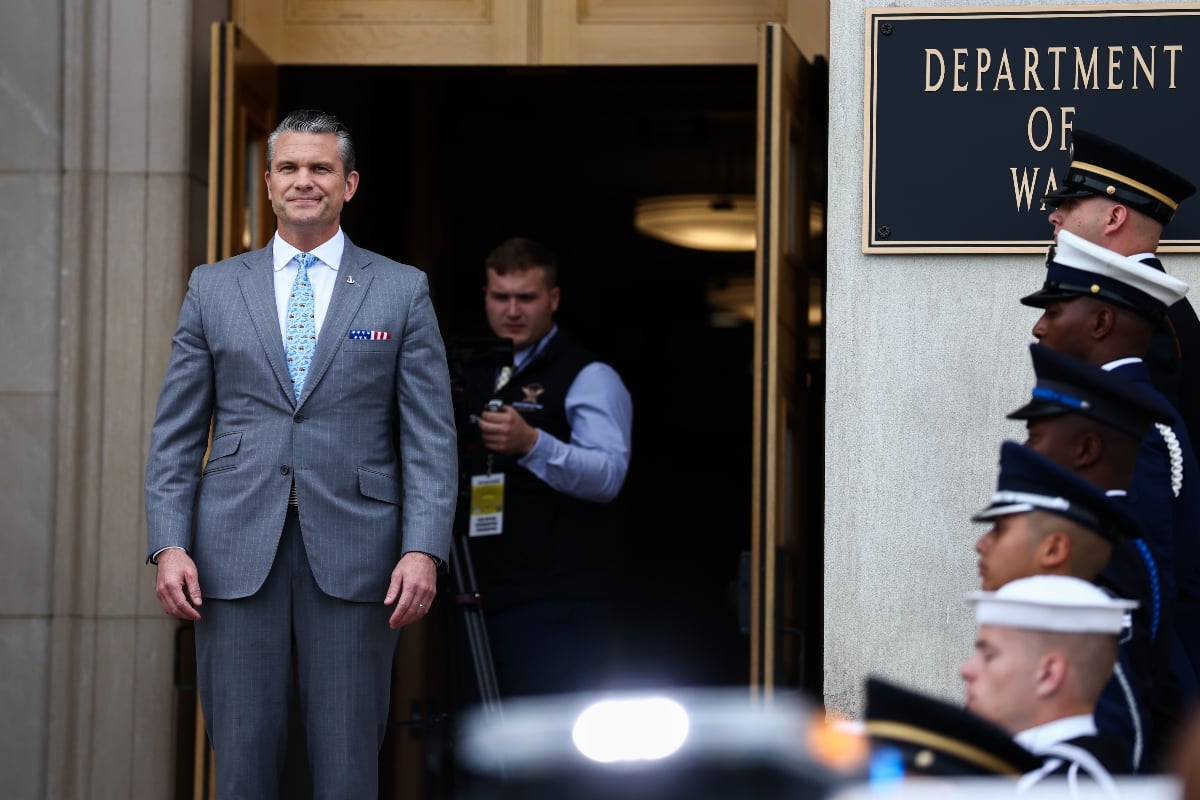
Defense Secretary Pete Hegseth has issued a formal warning to all Pentagon and Department of Defense personnel prohibiting them from engaging in financial transactions on prediction markets using nonpublic information. In a letter dated October 20, 2026, Hegseth clarified that the ban extends to all financial exchanges, including prediction markets and sports betting platforms, and applies whether trades are made directly or through third parties.
Hegseth's directive comes as military and intelligence officials grow increasingly concerned about how prediction market activity could expose classified operations. According to the defense secretary, foreign adversaries actively monitor prediction markets for trading patterns that might signal upcoming US military operations. "When an American service member, intelligence professional, or other Department civilian engages in a financial transaction on a military outcome, they create a signal," Hegseth wrote. "That signal can be aggregated, correlated, and exploited by hostile foreign intelligence services to anticipate our movements, targets, and timing."
Beyond operational security concerns, Hegseth argued that financial stakes in prediction market outcomes undermine military judgment and the "warrior ethos." He emphasized that restoring discipline and focus on winning conflicts requires eliminating distractions, "not entertainment" and "not a payout."
The warning follows concrete evidence of insider trading on military events. In April, the Justice Department charged Master Sgt. Gannon Ken Van Dyke, a US Army Special Forces soldier, with using classified information to profit approximately $409,000 trading on prediction markets. Van Dyke allegedly made perfectly timed trades totaling $33,000 on Polymarket contracts predicting when Venezuelan leader Nicolas Maduro would leave office. Federal prosecutors allege he participated in planning and executing a US military operation to capture Maduro and leveraged that access for personal financial gain.
The scope of potential insider trading appears broader than individual cases. In August, the Anti-Corruption Data Collective flagged 152 prediction market accounts suspected of using nonpublic information to trade military event contracts. These accounts achieved a remarkable 97.2% win rate, generating $8 million in profits on $2 million in trades - a statistical anomaly suggesting systematic access to classified information.
The emergence of prediction markets as vehicles for potential espionage and insider trading represents a novel challenge for military security protocols. Unlike traditional insider trading on stock markets, prediction market contracts on geopolitical events create direct financial incentives for disclosing classified military plans. The decentralized and international nature of many prediction platforms complicates enforcement and suggests that hostile intelligence services could profit alongside individual traders.
Hegseth's directive reflects broader concerns about how modern financial instruments intersect with national security. The Pentagon's explicit acknowledgment that enemies monitor these markets validates long-standing concerns about information leakage through financial markets. As prediction markets expand beyond political and sports events into military and geopolitical outcomes, regulators face pressure to develop frameworks preventing classified information from creating exploitable trading signals.
Source
Casino.orgRelated stories
Three Conservative figures sentenced in UK election betting scandal
UK Conservative Insiders Receive Suspended Sentences in Election Betting Scandal

Brazil's Biggest Bettor Wagered $1.3B Amid Money-Laundering Probe and Political Ties

Last Mob Era Survivor Joey Cusumano Dies at 90, Closing Vegas Crime Chapter
More on CasinoAdvisor