

Based on reporting by Casino.org →
The U.S. Commodity Futures Trading Commission (CFTC) has escalated its ongoing battle with state regulators by suing Louisiana following a state judge's temporary restraining order that forced prediction markets to halt operations. The lawsuit, filed in Louisiana's Eastern District federal court on November 13, 2026, represents the agency's 12th legal challenge against a state over prediction market jurisdiction.
Louisiana Attorney General Liz Murrill obtained the temporary restraining order on November 12, arguing that prediction markets operating in the state violated Louisiana gaming law by offering unlicensed online gambling and sports betting products. Murrill characterized the platforms as allowing residents to gamble on "virtually anything" without proper licensure, stating that "if you aren't a licensed gaming operator, you aren't legal."
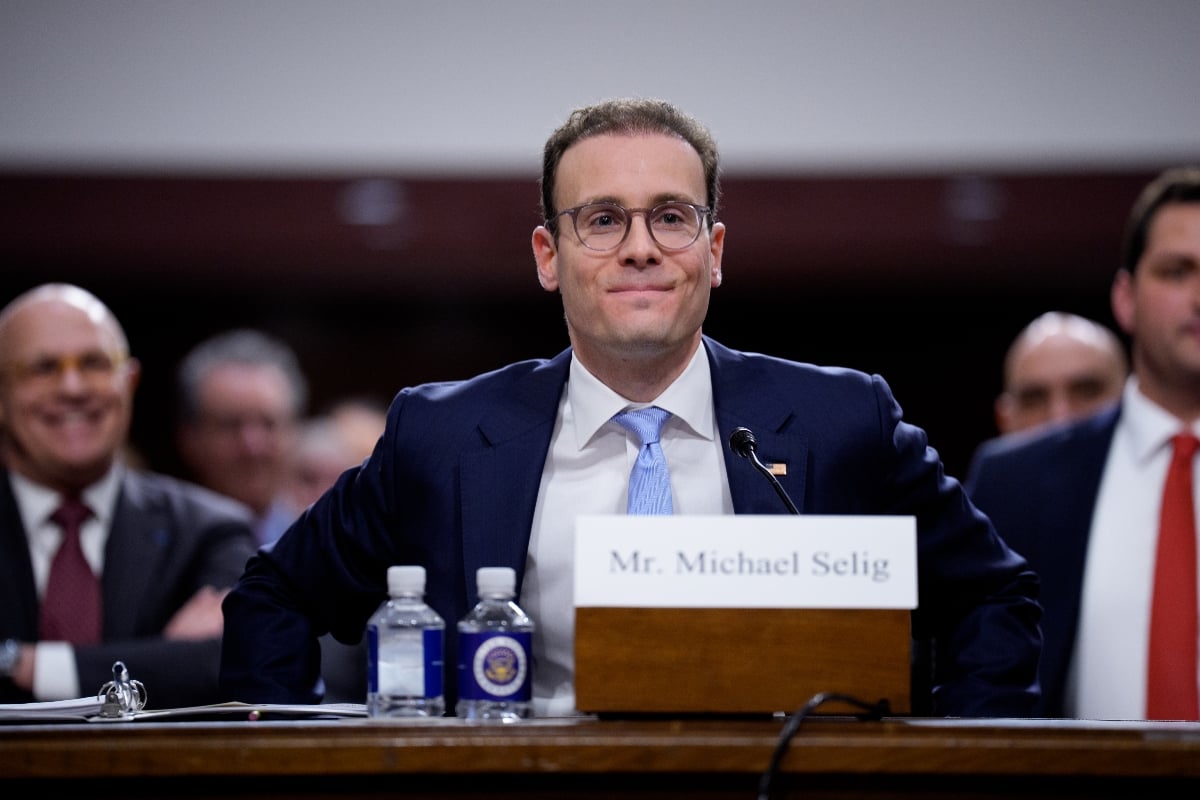
CFTC Chairman Michael Selig countered by asserting that prediction markets have operated legally in Louisiana for years under the Commodity Exchange Act (CEA) and CFTC regulations. Selig characterized Louisiana's action as "naked lawfare and a cynical political stunt," arguing that federal law provides the CFTC with exclusive jurisdiction over derivatives markets and event contracts.
The core legal dispute hinges on the Supremacy Clause, a constitutional principle that establishes federal law's precedence over conflicting state laws. The CFTC contends that its licensed Designated Contract Markets (DCMs) offering CFTC-approved financial products should not be subject to state gaming laws or state court orders. In filings, the agency argued that Louisiana's efforts "intrude on the exclusive federal scheme Congress designed to oversee United States commodity derivatives markets."
Selig has repeatedly instructed CFTC-regulated exchanges to ensure nationwide operations across all 50 states, contending that uniform national operation is essential to the CEA's intended purpose. The CFTC seeks declaratory and injunctive relief to overturn Louisiana's state order and maintain the status quo while federal courts address the jurisdictional question in what the chairman termed an "orderly manner."
Murrill rejected Selig's characterization of prediction markets' compliance history, calling his statements "flatly false" and emphasizing that gambling has been regulated by states for 250 years. She argued that prediction markets cannot claim exemption from state oversight simply by framing themselves as financial derivatives.
Louisiana's gaming landscape includes licensed online sports betting, commercial casinos, and tribal casinos. The state generated $2.17 billion in gaming revenue in 2025, a 10 percent increase year-over-year, demonstrating robust state oversight of gaming operations.
This lawsuit reflects a broader tension sweeping the gaming and derivatives industries. Recent polling data suggests substantial public skepticism about prediction markets' regulatory classification: an AGA survey found that 8 in 10 Americans believe prediction markets should be regulated as gambling rather than finance products. As the CFTC pursues federal jurisdiction across multiple states simultaneously, the outcome of the Louisiana case could establish pivotal precedent determining whether prediction market operators must comply with state gaming licensing regimes or operate solely under federal derivatives oversight.
Source
Casino.orgRelated stories

Prediction Markets Face State Crackdowns as Platforms Pursue Celebrity Marketing

Texas Democrat Bhojani Advances Bill to Raise Prediction Market Age to 21
Pennsylvania Democrats Positioned to Legalize Skill Games After Midterm Sweep

Military Culture and Stigma Suppress Early Gambling Problem Detection, Study Finds
More on CasinoAdvisor