

Based on reporting by Casino.org →
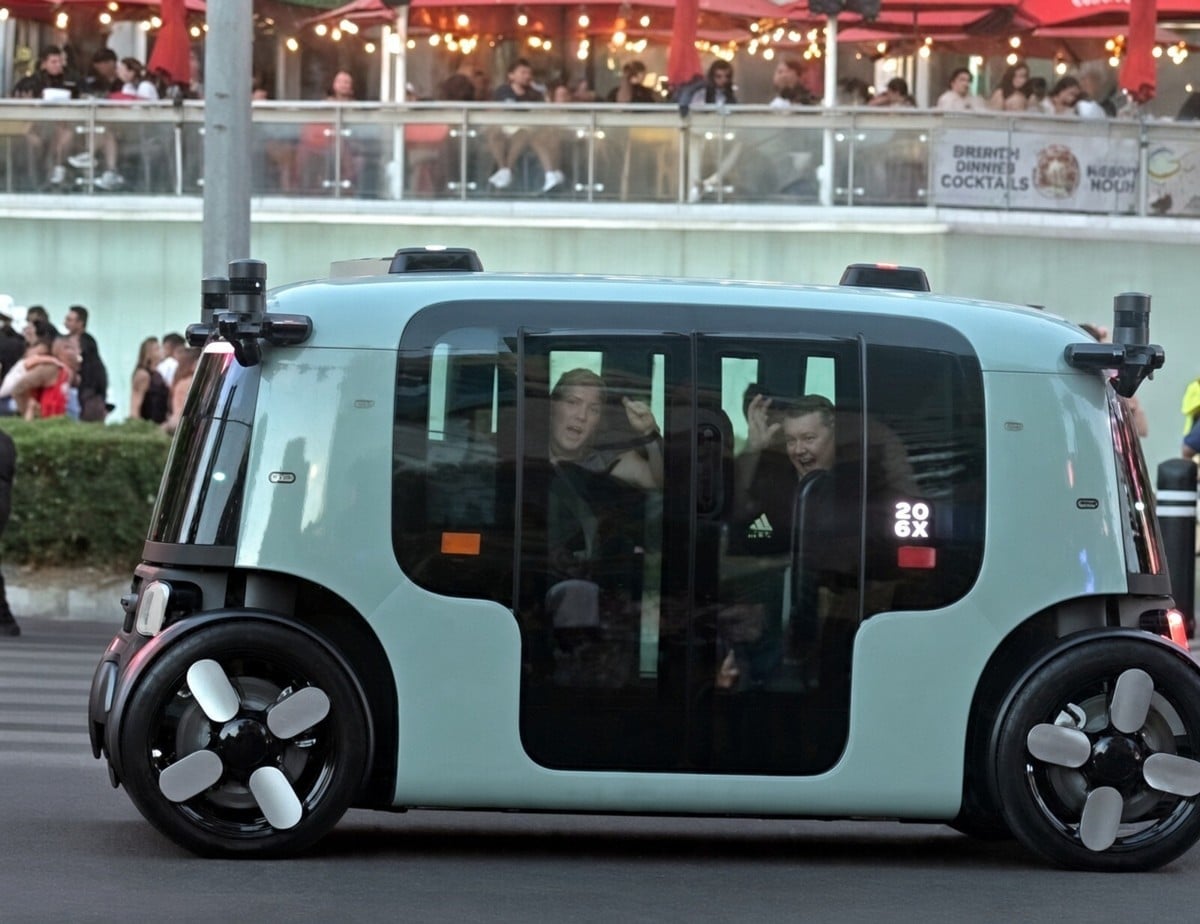
Zoox's autonomous taxi service has achieved significant operational scale across Las Vegas in 2026, now serving most major Strip resorts and, as of early September, offering pickup and drop-off service at Harry Reid International Airport. The rapid expansion, however, has coincided with a series of public operational failures that have drawn attention from riders, local media, and online communities.
One widely circulated Reddit video captured a Zoox vehicle stationary at a pedestrian crosswalk between the Cosmopolitan and Planet Hollywood's Miracle Mile Shops on the Las Vegas Strip. Four passengers remained inside the immobilized vehicle for several minutes, appearing confused and calling out to bystanders while foot traffic continued around them. The incident highlighted a critical usability concern: riders may hesitate to use emergency door releases when a vehicle is stopped in an active roadway, creating a potential safety and customer experience gap.
A separate incident documented by KSNV-TV Las Vegas showed a Zoox robotaxi in the downtown Arts District initially stopping at a clearly marked construction closure, then proceeding down the barricaded road before eventually navigating out of the restricted area without collision. The incident raised operational questions about how the system's autonomous navigation interprets temporary road closures and non-standard construction signage, particularly in environments with dynamic, temporary infrastructure changes.
Zoox operates its Las Vegas service under a federal exemption granted in 2024, which uniquely permits deployment of the company's custom-built, steering-wheel-free robotaxis. The exemption framework includes a requirement for continuous reporting of operational anomalies to federal regulators, though these reports remain confidential and are not available to the public. In previous regulatory filings, Zoox acknowledged that unexpected stops, misreads of construction zones, and hesitation at complex pedestrian crossings represent recognized 'edge cases' that the company addresses through iterative software updates.
These incidents occur as Zoox competes directly with other autonomous taxi operators entering the Las Vegas market. Waymo announced its own robotaxi service partnership with the Las Vegas Raiders in August 2026, signaling accelerating competition in the autonomous vehicle segment within the hospitality and gaming destination sector. The incidents also raise questions about customer confidence and regulatory oversight as these services scale rapidly across a city that attracts millions of visitors annually.
From a CasinoAdvisor perspective, the operational challenges facing autonomous taxi services in Las Vegas reflect a critical gap between technological capability and real-world environmental complexity. While the incidents remain isolated, they highlight the importance of understanding how ancillary transportation infrastructure directly impacts guest experience and property competitiveness. As multiple autonomous operators compete for Strip and airport routes, casinos and hospitality operators should monitor both service reliability and passenger satisfaction metrics, as transportation quality increasingly factors into destination selection.
Source
Casino.orgRelated stories
Fitch Sees Resorts World New York EBITDA Doubling by 2028 Despite Parent Credit Downgrade
Entain Demoted From FTSE 100 Amid Analyst Upgrade Wave

Prediction Markets Eating Into Regulated Sportsbook Growth as NFL Season Begins
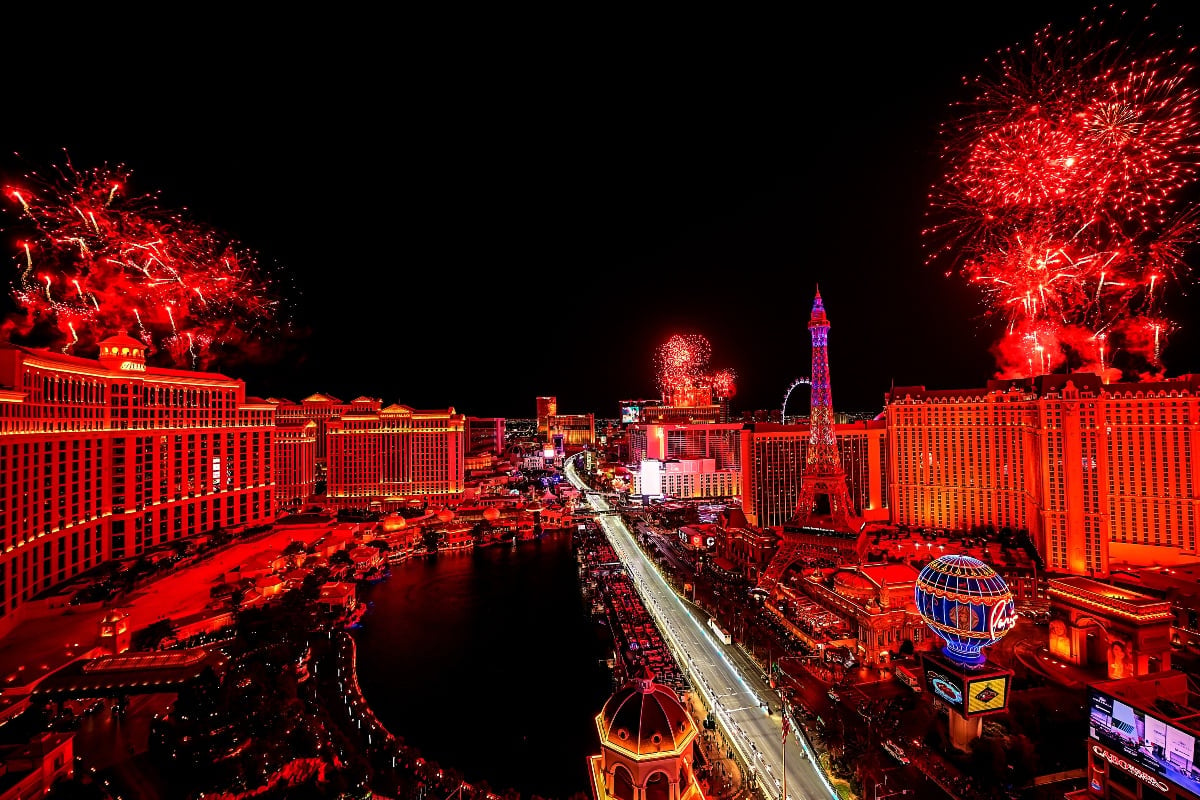
Las Vegas Expects 335,000 Visitors Over Labor Day Weekend Amid 90%+ Hotel Occupancy
More on CasinoAdvisor