

Based on reporting by Casino.org →
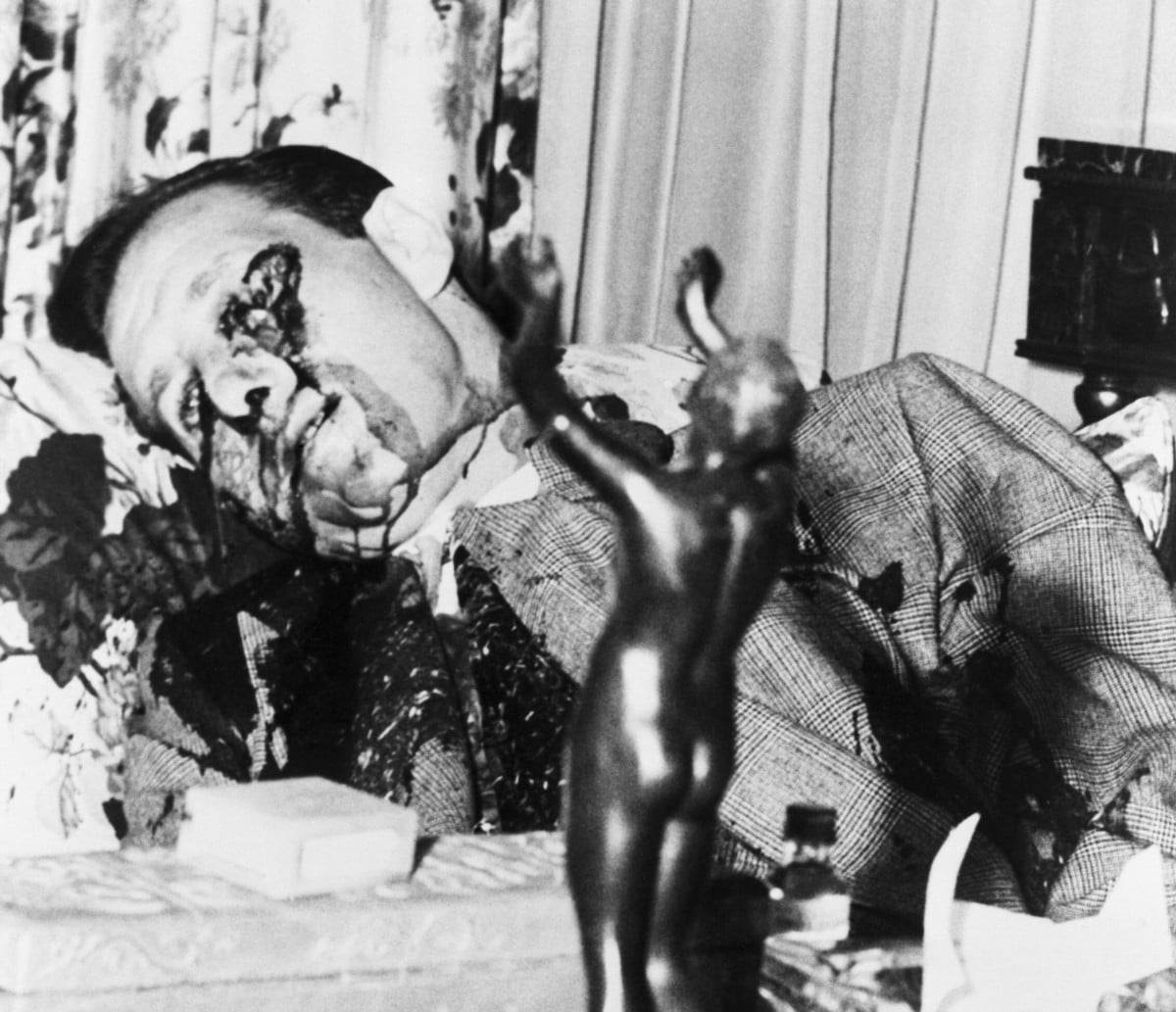
Nearly eight decades after mobster Benjamin "Bugsy" Siegel's murder on June 20, 1947, the Mob Museum has acquired 22 personal effects recovered from his body and will open a public exhibition titled "What Bugsy Left Behind" on November 13, 2026.
The artifacts were held as evidence by the Beverly Hills Police Department for almost 80 years before Siegel's granddaughter, Wendy Rosen, successfully sued the department to recover them. Rosen subsequently sold the collection to the museum for an undisclosed sum. According to Geoff Schumacher, VP of research and collections for the Mob Museum, these items have never been publicly displayed and offer genuine insight into Siegel's life during the final days before his assassination.
The collection includes everyday objects that paint a portrait of a man leading a double life. Among the items are Siegel's Social Security card, personal calling cards identifying him as "Ben Siegel" and "Mr. Benjamin Siegel," a wallet-sized photograph of his girlfriend Virginia Hill inscribed "Sweetheart Benny I love you Pup," and photographs of his daughters Barbara and Millicent. Also recovered were membership cards for the American Red Cross and Automobile Club of Southern California, a Nevada vehicle registration for a 1946 Chrysler Windsor convertible, and a handwritten note containing Virginia Hill's home address.
Perhaps most intriguingly, the collection includes a business card from Dixie Shops, a national chain of women's apparel stores, which Schumacher suspects was used to create the appearance of a legitimate occupation. A business card belonging to Meyer Lansky identifying him as a Wurlitzer jukebox distributor in New York also appeared among the effects. The most poignant item may be a complimentary card from Jack's at the Beach restaurant, attached to the newspaper Siegel was reading when shots shattered the front window of Virginia Hill's Beverly Hills home at 10:45 p.m.
Beyond these 22 items, other personal effects including Siegel's watch, wallet, keychain, cufflinks, money clip, and an unexplained gold plunger with a needle were returned to his brother, Dr. Maurice Siegel, shortly after the murder. Schumacher believes those items were subsequently sold to memorabilia collectors.
Siegel's murder remains unsolved. Leading theories suggest Virginia Hill's brother Charles "Chick" Hill as a suspect, with alleged motive being Siegel's abusive treatment of Hill. Alternative theories point to Chicago mob anger over Siegel's control of the race wire system used by bookmakers, or to a conspiracy involving Moe Sedway and associates frustrated by Siegel's mismanagement of the Flamingo Hotel. Schumacher believes the financial mismanagement of the Flamingo remains the most likely motive, suggesting the mob itself orchestrated the killing.
While the murderer would be nearly 99 years old if still alive, Schumacher advocates for the Beverly Hills Police Department to release all investigative files and documents so historians and researchers might finally solve one of American crime's most famous cold cases.
Source
Casino.orgRelated stories
New York Sports Betting Handle Grows Despite Prediction Market Competition
Powerball Jackpot Climbs to $716M as Two Players Win $1M Each

NetJets Opens 300,000 Sq Ft Private Aviation Hub at Las Vegas Airport

Evolution Reports Modest Q3 Growth as Brazil Ban Threatens Latin American Expansion
More on CasinoAdvisor