


Based on reporting by Casino.org →
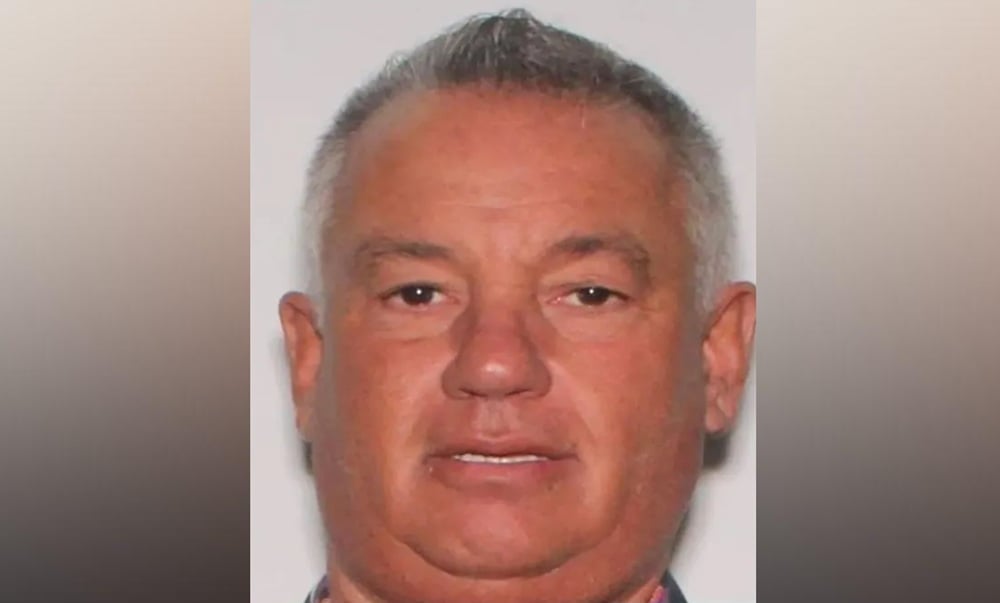
Jerod Timothy Vannatter, 43, a manager at Help for Animals nonprofit veterinary clinic in Barboursville, West Virginia, admitted in federal court on September 28, 2026, to embezzling $624,599.86 from his employer and losing every dollar through online gambling. Over roughly two and a half years, from October 2022 to February 2025, Vannatter exploited his administrative control of the clinic's finances to execute an elaborate theft scheme involving bogus vendor invoices and unearned payroll payments directed to his personal checking account.
Vannatter managed the clinic from February 2018 until his scheme was discovered in February 2025, with his annual salary reaching approximately $110,000 by December 2024. Despite the substantial salary, court documents indicate he initiated the embezzlement scheme due to what he explicitly described as an addiction to online gambling. In his signed plea statement, Vannatter stated: "I initiated and continued my embezzlement scheme because I was addicted to online gambling" and "All of the proceeds from my embezzlement have been lost through gambling."
The impact on Help for Animals proved severe. Clinic employees reported to local media that the theft left the nonprofit approximately $200,000 in the red, despite staff continuing to work and maintain operations throughout the ordeal. The stolen funds represented resources that could have been directed toward equipment, staff positions, and treatment services for animals whose owners could not afford veterinary care.
While Vannatter admitted to stealing the complete sum, he pleaded guilty to a single count of money laundering related to a $20,000 transaction on October 11, 2023, when he transferred funds from his personal checking account into his savings account. Court documents do not identify the specific gambling platforms Vannatter used, nor do they clarify whether he gambled exclusively with licensed West Virginia operators or included offshore platforms in his activity.
Under his plea agreement, Vannatter has committed to paying $624,599.86 in full restitution and will cooperate with authorities in identifying assets available for compensation. He faces potential sentencing of up to 10 years in federal prison, three years of supervised release, and a $250,000 fine. His sentencing is scheduled for February 16, 2027.
This case underscores the vulnerability of nonprofit organizations to insider fraud and highlights a concerning pattern where online gambling access can facilitate large-scale embezzlement schemes. The specificity with which Vannatter acknowledged gambling away proceeds suggests the online gambling industry's operational accessibility and the ease with which stolen funds can be rapidly depleted. While regulatory frameworks for licensed operators continue to develop across U.S. jurisdictions, cases like this illustrate gaps in organizational financial controls and the persistent threat posed by unmonitored access to unrestricted gambling platforms.
Source
Casino.orgRelated stories
Illegal Bookmaker Accused of Death Threats via Church Video in Indiana Gambling Case

Pennsylvania Gives Businesses Two Weeks to Remove 70,000 Illegal Skill Games or Face Seizure

Playstudios Settles $3.2M Class Action Over Social Casino Virtual Currency Sales

Dutch Regulator and Industry Body Escalate Legal Campaign Against Meta Over Illegal Gambling Ads
More on CasinoAdvisor