

Based on reporting by Casino.org →
Playstudios, a leading developer of social casino applications, has agreed to settle a class action lawsuit for $3.2 million, resolving allegations that it violated state gambling laws by selling virtual currency in its mobile games. The lawsuit, filed in Alabama's Franklin County Circuit Court as White, et al. v. Playstudios, contended that the company's practice of offering paid virtual chips to extend gameplay constituted illegal gambling activity.
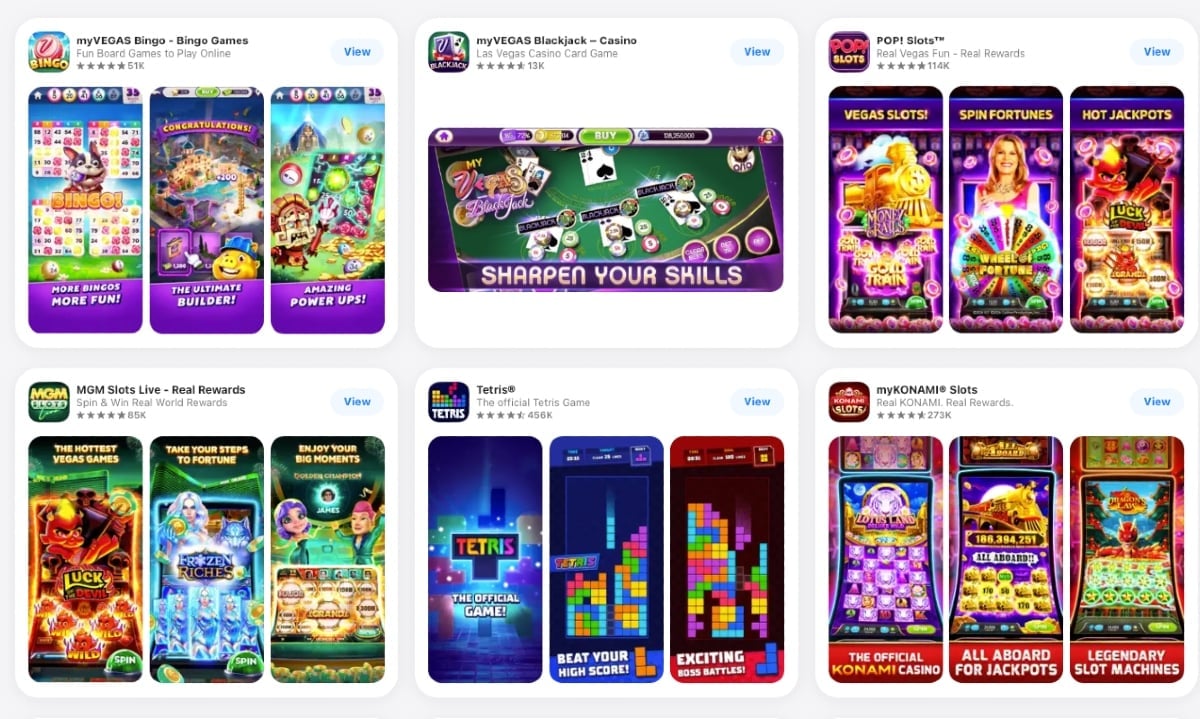
The settlement encompasses consumers in six states who purchased virtual currency during specified periods: Alabama (March 8, 2022 through June 30, 2026), Ohio (July 26, 2022 through June 30, 2026), New Jersey (January 2, 2024 through June 30, 2026), Massachusetts (July 26, 2022 through June 30, 2026), Tennessee (November 12, 2022 through June 30, 2026), and Kentucky (July 5, 2018 through June 29, 2023). The affected games include myVEGAS, myVEGAS Facebook, myVEGAS Mobile, Pop! Slots, myKONAMI Slots, MGM Slots Live, myVEGAS Blackjack, and myVEGAS Bingo.
Class members have until October 21, 2026 to submit election forms determining how they wish to receive compensation. Eligible consumers can choose between cash payment, virtual currency credits, or a combination of both. Those who fail to submit an election form by the deadline will automatically receive their settlement benefits in virtual currency. Importantly, class members who participate in the settlement forfeit their rights to pursue any future claims against Playstudios related to this matter. Conversely, consumers who exclude themselves from the settlement retain the right to pursue independent legal action against the company, though they will receive no settlement benefits.
Playstudios had initially asked the court to dismiss the case, arguing that its social casino applications constitute legal, free entertainment rather than gambling systems. The company ultimately declined to contest the allegations and agreed to the settlement in July 2026 to avoid protracted litigation.
The distinction between social casino apps and regulated gaming platforms is significant. Social casino applications operate on a free-to-play model, providing users with daily complimentary credits. When those credits are exhausted, players can purchase additional virtual tokens to continue gameplay. However, unlike sweepstakes casinos, which operate secondary currencies convertible to cash withdrawals, tokens in social gaming apps carry no real-world monetary value. This structural difference has historically provided operators with a legal defense against gambling regulations in many jurisdictions.
This settlement reflects growing regulatory scrutiny of social gaming business models across U.S. states. The multi-state nature of the class action indicates that state attorneys general and courts are increasingly willing to challenge the traditional "free-to-play" framing when substantial real money transactions are involved. As the social gaming sector continues to expand and generate significant consumer spending, state regulators appear positioned to impose stricter compliance standards on app developers regarding their monetization practices and consumer disclosures.
Source
Casino.orgRelated stories
Pennsylvania Gives Businesses Two Weeks to Remove 70,000 Illegal Skill Games or Face Seizure
Dutch Regulator and Industry Body Escalate Legal Campaign Against Meta Over Illegal Gambling Ads

Michigan Photographer Sentenced to Five Years for $4.6M Modeling Fraud, Gambling Spree
Saracen Casino Resort Moves to Terminate GM and CMO Over Competing Gaming Venture
More on CasinoAdvisor