

Based on reporting by Casino.org →
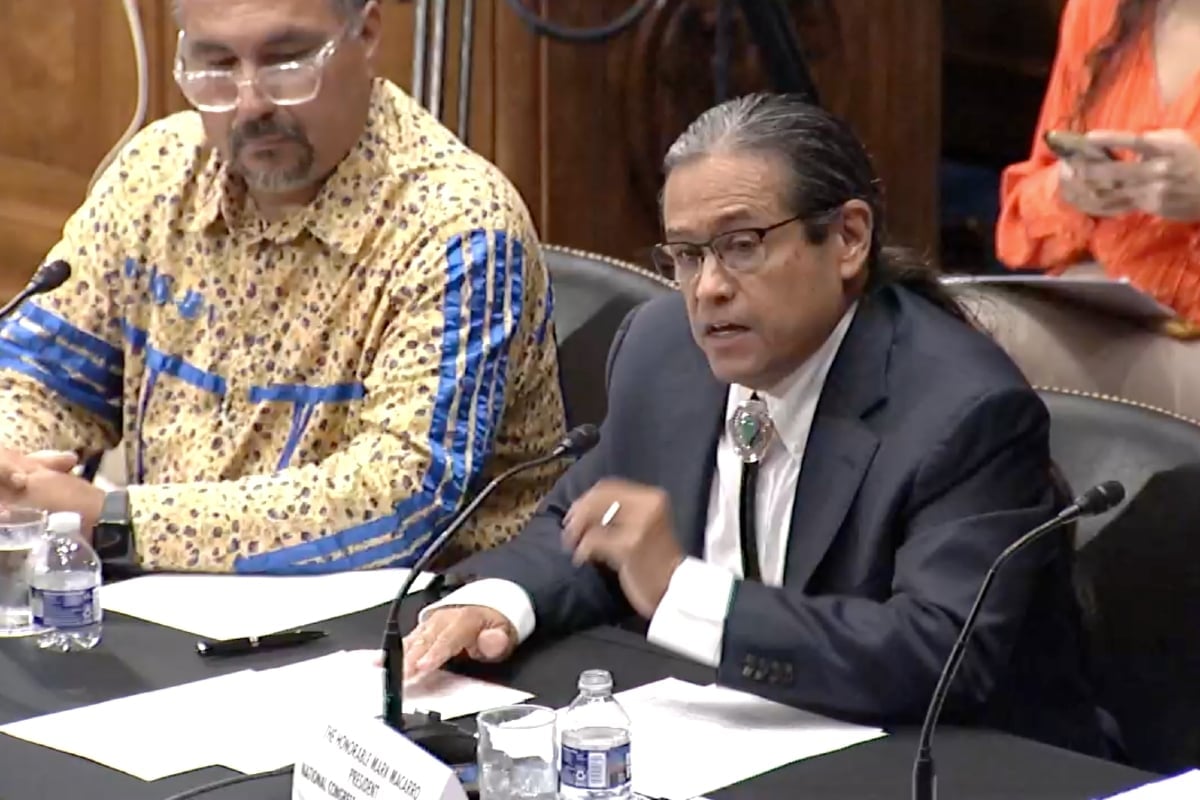
Native American tribal leaders have escalated their regulatory push by taking their concerns directly to Congress, testifying before the Senate Committee on Indian Affairs to seek a federal ban on online prediction markets. The tribal delegations argue that these platforms operate in violation of gaming exclusivity protections granted to tribes under the Indian Gaming Regulatory Act (IGRA), a foundational piece of federal legislation that has governed Native American gaming since 1988.
The core of the tribal argument centers on functional equivalency. Leaders contend that prediction markets, which allow users to wager on sports outcomes and other events, constitute gaming activities that are substantively similar to the casino operations tribes operate on reservations. Under IGRA, tribes hold exclusive or preferential rights to gaming within their territories, and the new generation of online prediction platforms operates entirely outside this regulatory and benefit-sharing framework.
That absence of tribal involvement represents a dual economic concern. First, the tribes argue they are being excluded from activities they should legally control, undermining the jurisdictional protections IGRA was designed to provide. Second, and more pressing for many tribal nations, these platforms divert revenue streams that would otherwise flow to tribal gaming enterprises, which serve as critical economic engines for reservation communities. Gaming revenues fund tribal healthcare, education, infrastructure, and social services.
The congressional engagement marks a strategic escalation from regulatory complaints to formal legislative advocacy. Rather than pursuing case-by-case enforcement actions or relying on the Interior Department to interpret IGRA's scope, tribal leaders are seeking proactive statutory language that explicitly restricts or bans online prediction markets at the federal level. This approach signals both the tribes' frustration with existing regulatory ambiguity and their assessment that legislative clarity is necessary to address what they view as an emerging threat.
The framing of prediction markets as gaming-adjacent raises substantive questions about regulatory jurisdiction and product classification that extend beyond tribal interests. Federal regulators, including the SEC and CFTC, have grappled with how to classify and oversee prediction market platforms. Some operate as decentralized protocols; others function more like centralized betting exchanges. The category problem is genuinely complex, and tribal claims add another regulatory constituency to an already crowded policy space.
From a market perspective, the tribal intervention occurs as prediction markets have gained visibility and venture capital interest. The platforms operate in a legal gray zone at the federal level, with varying state-level treatment. A federal ban would represent a significant market restriction if enacted, eliminating a category of platforms that currently serve users seeking alternatives to traditional sportsbooks and casino offerings.
The tribal position reflects broader dynamics in gaming regulation where established stakeholders, including tribes with federally protected rights, face pressure from new technologies and business models that operate outside traditional regulatory boundaries. Whether Congress acts on the tribal request remains uncertain, but the testimony signals that IGRA's scope and application will likely become a focal point in upcoming regulatory debates over digital gaming and prediction markets.
Source
Casino.orgRelated stories

Australia's PM and Opposition Reach Accord on Stricter Gambling Regulations

Black Cube Cites UKGC Settlement as Vindication in Ongoing Evolution Dispute

CFTC Demands Prediction Markets Stop Using Sports Betting Odds Display Format

Gambling Commission Interim CEO Gardner Champions Creative Regulation Amid Leadership Transitions
More on CasinoAdvisor