


Based on reporting by GamblingNews →
Australian Prime Minister Anthony Albanese and Opposition Leader Angus Taylor have reached a consensus on strengthened gambling regulations following negotiations in Canberra on Monday. The agreement represents a significant policy shift, with Albanese accepting restrictions on betting inducements that his Labor Party had previously resisted, demonstrating the political urgency surrounding gambling harm in the country.
The catalyst for accelerated action came after revelations that illegal drugs, sex workers, and alcohol had been provided to high-spending gamblers, creating bipartisan pressure for reform. According to senior government sources, the government expects to secure sufficient Senate support through the Coalition agreement to pass proposed legislation this week.
Key provisions of the deal include a ban on inducements designed by betting companies to encourage continued gambling, coupled with new restrictions on gambling advertising. Prime Minister Albanese characterized the framework as striking a balance between allowing recreational gambling while addressing problem gambling systematically. He pledged to introduce practical amendments targeting advertising exposure to children and reducing the overall reach of gambling marketing, though specific implementation details remain unrevealed.
The urgency reflects a documented public health concern. A recent study cited in negotiations found that more than 3.3 million Australians have experienced gambling-related harm, underscoring why both major parties moved toward consensus despite typically opposing positions.
However, the agreement has drawn criticism from parties seeking more aggressive interventions. The Australian Greens and crossbench senators view the accord as insufficient, with Senator Sarah Hanson-Young publicly urging Opposition Leader Taylor not to accept a compromise. The Greens are pushing for a complete, phased ban on all gambling advertising, and critics have flagged potential loopholes allowing promotional content to persist on digital and streaming platforms.
This regulatory moment also intersects with broader financial concerns. A concurrent study revealed that Australian retirement funds hold over $10 billion in gambling sector shares, representing approximately 1% of total holdings. This exposure highlights the interconnectedness of social security assets and the gambling industry, adding complexity to reform discussions.
The legislative timeline is accelerated, with Albanese expressing confidence that the bill will reach the House of Representatives later in the week. The pathway to passage demonstrates how major revelations of operator misconduct can catalyze rapid policy change across party lines, even when stakeholders retain substantive disagreements about scope and enforcement.
From a regulatory standpoint, Australia joins other major jurisdictions tightening operator-facing restrictions on marketing and incentive structures. The success of this framework will likely influence ongoing debates across other Commonwealth nations and establish precedent for balancing consumer protection with market accessibility.
Source
GamblingNewsRelated stories
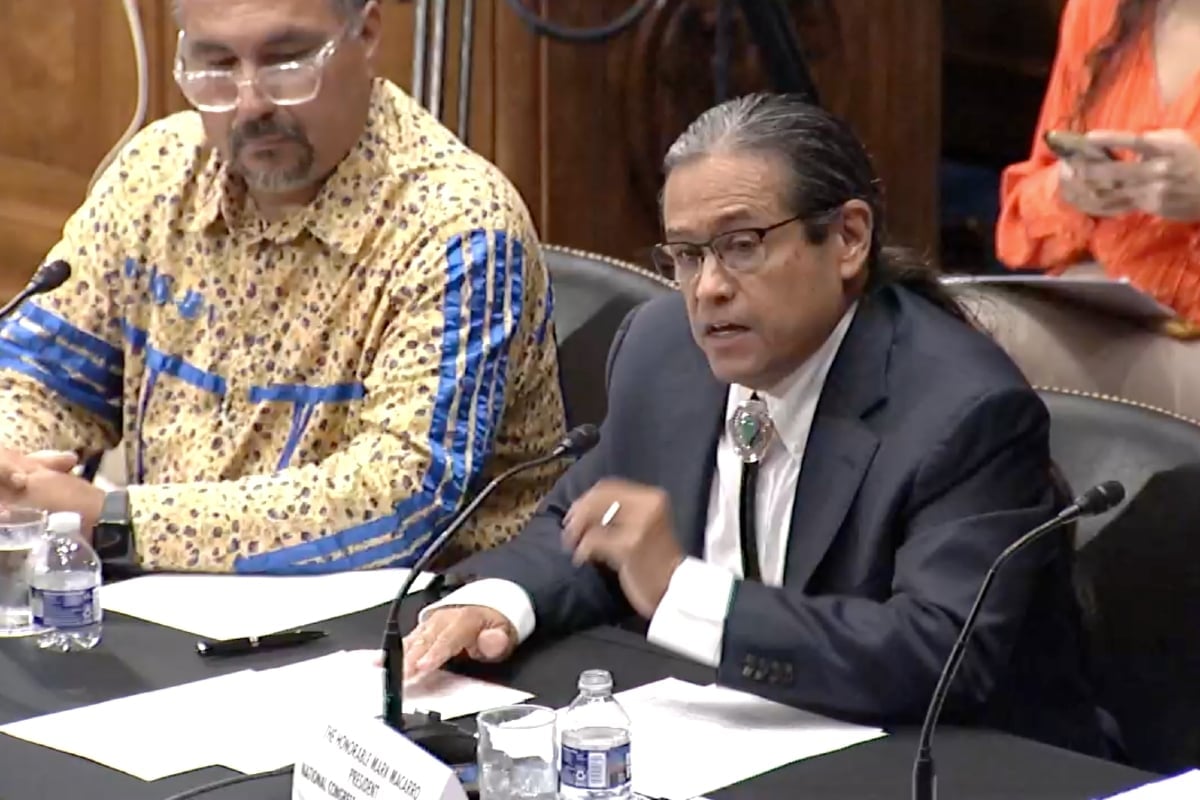
Tribal Leaders Push Congress to Ban Online Prediction Markets Over Gaming Rights

Black Cube Cites UKGC Settlement as Vindication in Ongoing Evolution Dispute

CFTC Demands Prediction Markets Stop Using Sports Betting Odds Display Format

Gambling Commission Interim CEO Gardner Champions Creative Regulation Amid Leadership Transitions
More on CasinoAdvisor