

Based on reporting by Casino.org →
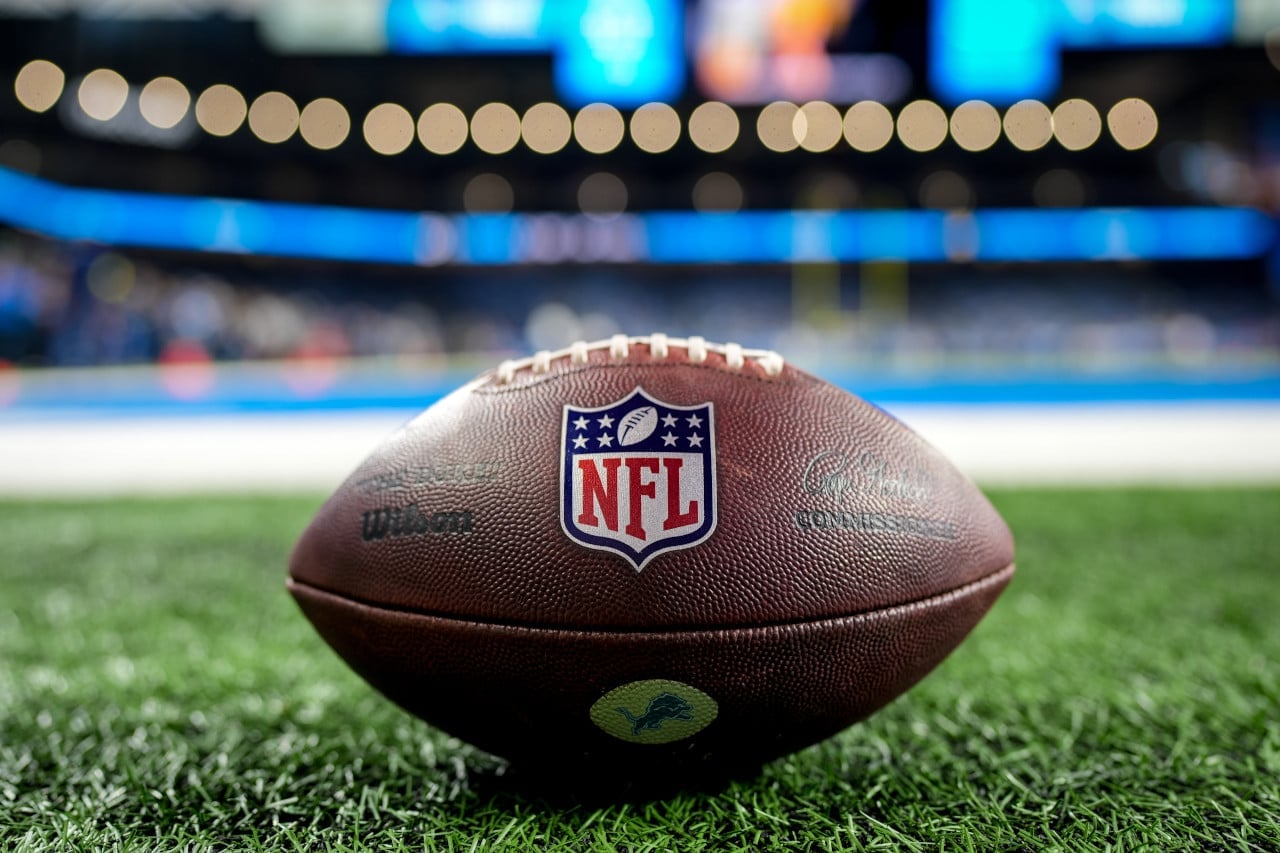
As prediction markets gain prominence in the sports betting landscape, traditional sportsbooks are poised to decisively maintain their market leadership this NFL season. According to Eilers & Krejcik Gaming (EKG), regulated sportsbooks will command approximately 80% of the $40.5 billion in total NFL wagers expected across regulated venues, handling $31.7 billion compared to $8.4 billion in prediction market handle analog - a metric that allows cleaner comparison between the two formats given their structural differences.
The dominance reflects a broader consumer preference that has persisted despite widespread speculation that prediction markets would cannibalize traditional sportsbook volumes. While prediction markets have successfully attracted sharp bettors and high-value players often limited or banned by conventional sportsbooks, recreational bettors - who comprise the larger share of the betting public - continue to favor traditional sportsbook interfaces when given a choice between waging on traditional odds and all-or-nothing exchanges.
EKG's projections suggest the overall sports wagering industry will grow 8% year-over-year, an acceleration from the current 5% growth rate (which excludes World Cup-related temporary effects). This anticipated growth is notable given the modest regulatory expansion in the sector since the end of the 2025 football season, with only Missouri and Alberta joining the legal market, while Arkansas launched earlier this year with DraftKings and FanDuel.
A critical competitive advantage for traditional sportsbooks lies in their financial incentive structures. Operators can deploy significantly larger welcome bonuses and customer retention promotions - exemplified by offers ranging from $350 to $365 - compared to prediction market platforms offering $25 to $50 bonuses. This disparity exists because prediction market operators cannot match these generous inducements; their business models operate as peer-to-peer exchanges where clients trade against each other rather than against the house.
However, the prediction market threat to sportsbooks may not be entirely neutralized. Channel intelligence suggests these platforms are investing heavily in digital marketing channels including app store optimization and pay-per-click advertising, potentially allowing them to exceed current forecasts. Additionally, prediction markets are carving out meaningful niches in states such as California and Texas where traditional sports betting remains prohibited, giving them access to otherwise closed markets.
The research underscores that while prediction markets represent a meaningful "second channel" for NFL wagering, they remain constrained by a limited installed base and structural disadvantages in customer acquisition. The market is stabilizing into a clearly differentiated two-tier structure: traditional sportsbooks serving the mainstream betting public with superior promotional incentives and user experience familiarity, and prediction markets serving sophisticated bettors and geographic markets lacking sportsbook access. For the 2026 NFL season at least, the conventional operator playbook remains the dominant force in regulated American sports betting.
Source
Casino.orgRelated stories

Illinois Powerball Winner Claims $1.04B Jackpot, Opts for $261.5M Cash Payout
UK gambling yield reaches 17.5bn as online dominance accelerates amid retail decline

Prediction Market Taker Volume Forecast Surges to $190B as Sports Betting Convergence Accelerates
Wynn Stock Pressured by Macau Softness and Iran War Risk to UAE Project
More on CasinoAdvisor