


Based on reporting by Casino.org →
Rush Street Interactive (NYSE: RSI) has clarified its approach to the increasingly crowded prediction markets space, confirming it filed for a Designated Contract Market (DCM) license in May while explicitly stating it will not lean into sports-focused prediction markets.
On the company's second-quarter 2026 earnings call, co-founder and CEO Richard Schwartz addressed investor questions about the filing, emphasizing that the move is primarily defensive in nature. "As we have stated previously, we continue to operate with a casino-first focus and do not intend to lean into the crowded sports-focused prediction market space," Schwartz said. "However, the prediction market landscape is highly dynamic, and we will continue to monitor developments in this space. And this filing ensures we have the flexibility to navigate all possible outcomes."
When pressed by JPMorgan analyst Daniel Politzer on the strategic rationale, Schwartz elaborated that the DCM application serves as an option preservation mechanism. "We do view the applications as a way to preserve our strategic flexibility to maintain our optionality, and ensure that we're not caught flat-footed should the market or regulatory environment evolve in a way that becomes relevant for our business." The company provided no substantive updates on the application's current status during the call.
This positioning aligns with Rush Street's demonstrated business priorities. Under its BetRivers brand, the company operates online sports betting in 15 U.S. states and two Canadian provinces, as well as three Latin American countries. However, in North American markets, iGaming has consistently driven significantly more revenue than sports wagering. The company's record-breaking second-quarter results and upward guidance revision were both driven primarily by iGaming performance, not sports betting.
The decision to avoid sports event contracts reflects both market and regulatory pragmatism. Sports derivatives have become a focal point of legal and regulatory scrutiny at federal and state levels. Multiple attorneys general have issued consumer warnings, and regulatory bodies continue to debate their proper classification and oversight. By eschewing this subset of prediction markets, Rush Street positions itself to avoid potential regulatory friction.
This approach may also prove strategically sound given the broader iGaming expansion landscape. iGaming is currently legal in eight states, with at least a dozen more jurisdictions considering legalization to raise revenue. Regulators evaluating iGaming applications may view operators engaged in sports prediction markets less favorably, potentially creating friction for expansion efforts. Rush Street's casino-first positioning reduces this risk.
The prediction markets sector continues to evolve rapidly, with various operators testing the regulatory boundaries. DraftKings previously withdrew a prediction markets application, while other platforms have faced state-level warnings and restrictions. Rush Street's measured approach reflects a calculated bet that preserving optionality without overcommitting resources to a legally uncertain space represents the optimal strategy during this period of regulatory flux.
The filing itself demonstrates that Rush Street is monitoring the sector and wants to avoid being unprepared should favorable regulatory developments emerge. However, the company's explicit disavowal of sports event contracts suggests leadership believes the risks of that particular subsegment outweigh potential near-term opportunities.
Source
Casino.orgRelated stories
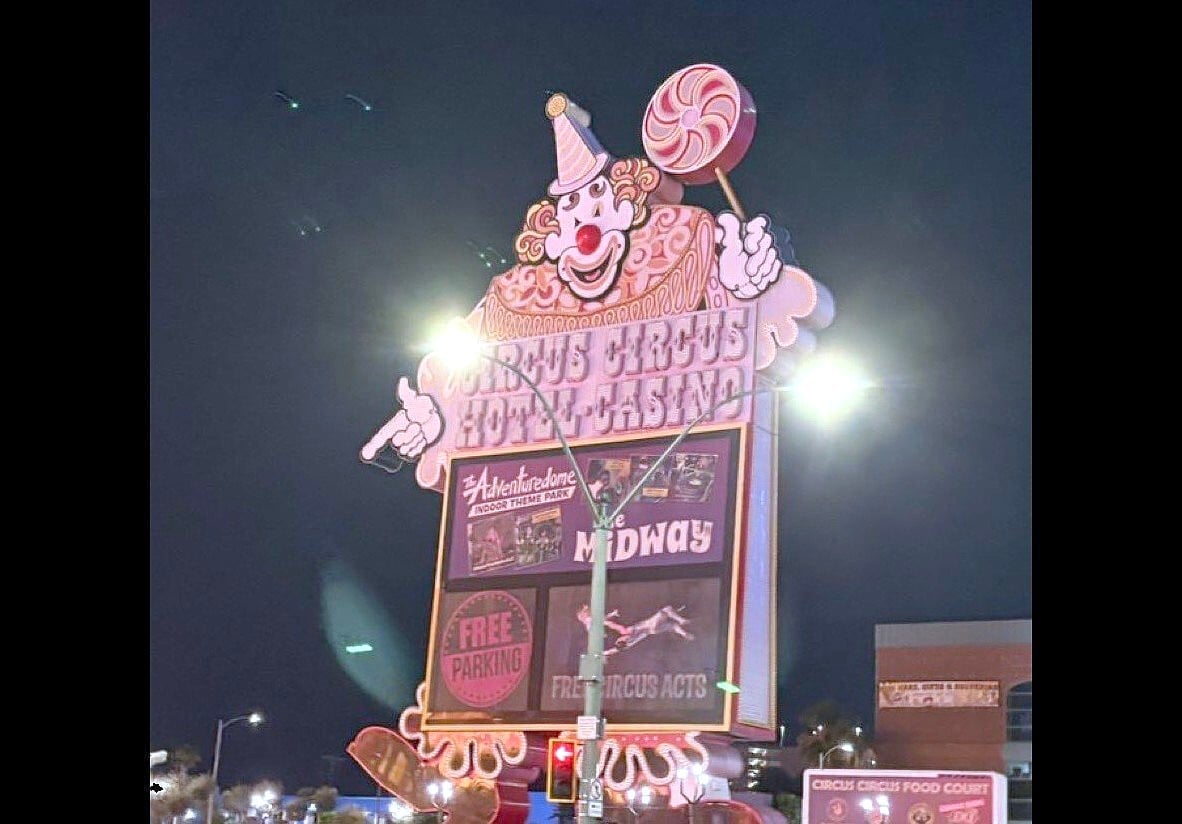
Circus Circus Lucky Clown Sign Faces Uncertain Future After 50 Years on Strip

Station Casinos Awards $70M in Stock to Nearly 10,000 Employees for 50th Anniversary

Primero Games Acquires Win Systems Gaming Division to Expand Latin American Operations

Las Vegas Sands Crosses 75% Ownership Threshold in Sands China
More on CasinoAdvisor