

Based on reporting by Casino.org →
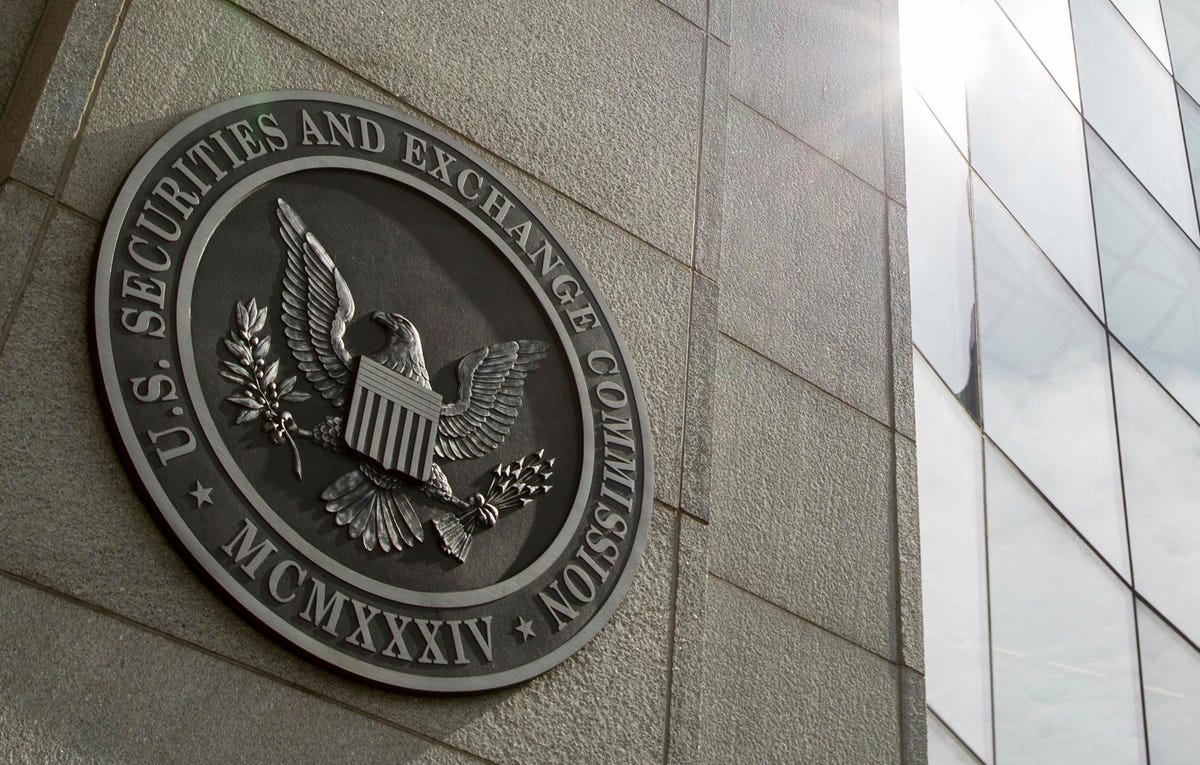
The prediction market ETF market is experiencing a surge in filings, but regulatory uncertainty has brought approvals to a standstill. Since Roundhill Investments filed the first batch of prediction market ETFs earlier in 2026, competitors including Bitwise and GraniteShares have followed suit. However, the Securities and Exchange Commission has not approved any of these products, instead stalling their review to examine what it deems "novel" fund structures.
The regulatory complexity surrounding prediction market ETFs stems from their position at the intersection of multiple oversight regimes. While the SEC oversees ETF approvals, the Commodity Futures Trading Commission (CFTC) regulates Designated Contract Markets (DCMs), including all-or-nothing exchanges where prediction market contracts trade. This dual jurisdiction creates its own set of challenges, but state-level gaming regulators further complicate the picture. Several states have asserted jurisdiction over event contracts, and ongoing litigation continues to determine whether federal CFTC oversight preempts state gaming laws.
These regulatory uncertainties extend beyond political derivatives. Initial filings focused on election-outcome ETFs, but proposals have expanded significantly. Newer applications include funds tracking economic outcomes tied to technology sector layoffs, recession risk, and cryptocurrency and oil prices. Additional issuers have pitched ETFs holding climate, economic, and policy decision contracts. Most recently, at least three issuers filed plans for approximately 128 ETFs, including 32 leveraged funds designed to allow investors to bet on NHL team performances. These hockey-focused ETFs may face lower approval barriers if structured as futures-based products rather than event contract holders, since existing ETFs already track futures and indexes.
The approval timeline remains uncertain. The SEC's public comment period on novel ETFs concludes at the end of August 2026, but the agency has not signaled whether it will act on pending filings before or after publishing any resulting rule proposal. Meanwhile, the CFTC's June 2026 rulemaking on prediction markets and ongoing state-law preemption litigation will continue shaping which event contracts remain available as reference assets for these vehicles.
Beyond regulatory questions, prediction market ETFs raise multiple investor protection concerns. Liquidity and concentration risks could affect trading in these vehicles, while potential insider trading vulnerabilities remain unaddressed. The IRS has also not clarified tax treatment for these products, leaving significant uncertainty for investors.
The debate reflects broader tensions in the prediction market ecosystem between decentralized trading platforms and traditional financial infrastructure. While platforms like Kalshi allow direct event contract trading, ETFs would package derivative exposure into traditional brokerage accounts, potentially reaching far larger retail audiences. This difference in distribution method and the regulatory gray areas it creates may ultimately determine whether prediction market ETFs become mainstream investment vehicles or remain in regulatory limbo.
Source
Casino.orgRelated stories

Canada Closes Door on Sports Prediction Markets, Diverging From U.S. Federal Model

Brazil Legislator Proposes 180-Day Timeline to Dismantle Legal Sports Betting Market

Connecticut Sues Kalshi Over Sports Prediction Contracts in Escalating Regulatory Battle

Japan's Second Casino Bidding Round Attracts Multiple Operators as 2027 Window Opens
More on CasinoAdvisor