

Based on reporting by Casino.org →
Japan's gaming market is entering a critical inflection point as the country prepares for its second integrated resort (IR) casino licensing round in 2027. After years of regulatory delays and pandemic-related setbacks, the bidding process is now generating meaningful momentum from both domestic and international stakeholders.
The backdrop is important: Japan authorized up to three IR casinos in 2018 as a strategic play to boost tourism and position the nation as a premier business and leisure destination. However, the lengthy regulatory timeline and market uncertainty caused major operators including Las Vegas Sands, Wynn Resorts, Caesars Entertainment, and Hard Rock International to withdraw from consideration. MGM Resorts remained the sole qualified bidder in the inaugural 2023 round, winning Japan's first license. The company is now constructing an 8 billion dollar resort in Osaka in partnership with Orix Corporation, with a late 2030 opening target.
The second bidding window is proving far more robust than initial expectations. Hokkaido Prefecture has reported responses from three foreign casino operators and 12 domestic firms following its solicitation of interest. This represents genuine traction in a market that many had written off following the first round's limited participation. Hokkaido is actively exploring development across multiple cities: Sapporo as the primary candidate, with Tomakomai and Hakodate also in consideration. Local officials are emphasizing the prefecture's competitive strengths, including cultural attractions, transportation infrastructure, and an untapped consumer base.
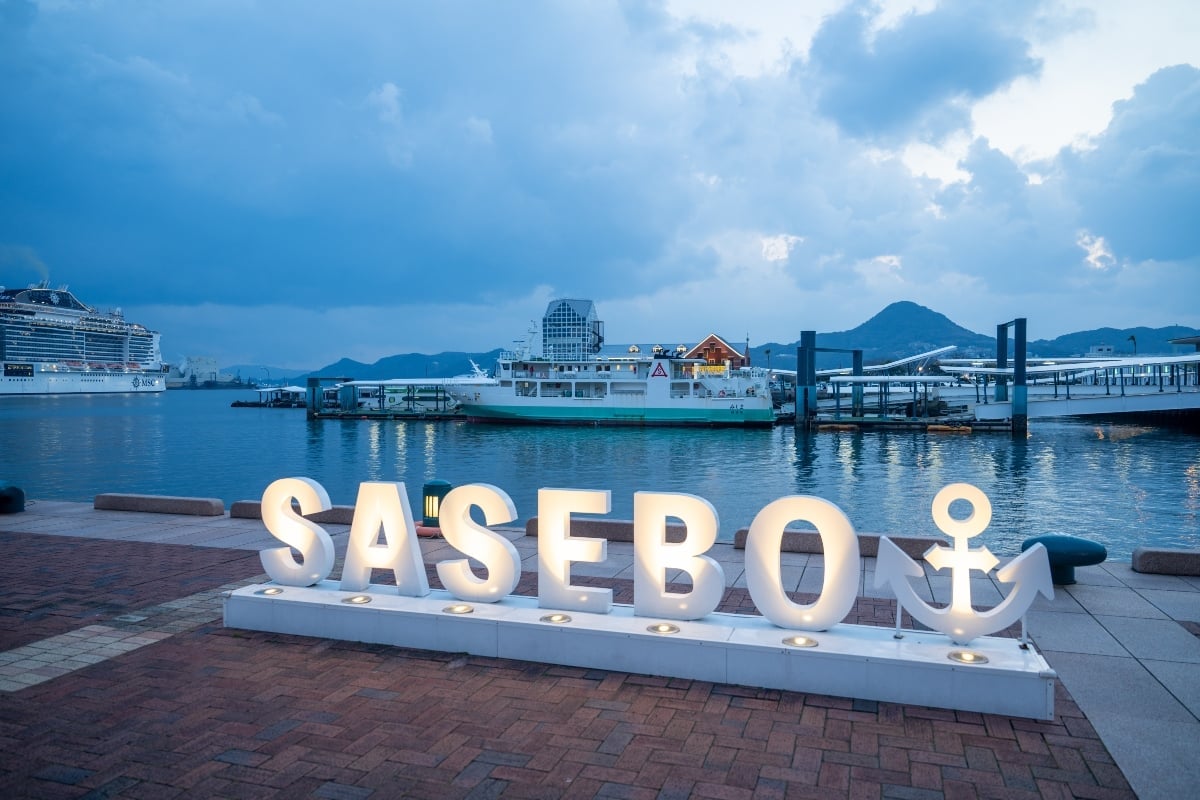
Wakayama Prefecture has also publicly entered the IR feasibility review process, with Marina City emerging as a leading development site. Meanwhile, Sasebo is attempting to revive the casino concept in Nagasaki Prefecture. The region previously submitted a bid during the 2023 round featuring a 3 billion dollar Casinos Austria proposal centered on the Huis Ten Bosch amusement park, but Japan's Ministry of Land, Infrastructure, Transport, and Tourism rejected it over financing concerns. Local chambers of commerce and city officials now believe the accumulated knowledge and advantages from prior efforts position Nagasaki competitively for round two.
This resurgence of interest suggests the market environment has shifted meaningfully. The completion of MGM's groundbreaking in April 2025 provides proof of concept and legitimacy to the IR framework. Developers and operators appear more confident in Japan's regulatory commitment and the underlying market opportunity. The timing also matters: Japan's economy and tourism recovery post-pandemic has restored confidence in the sector's long-term growth trajectory.
From a CasinoAdvisor perspective, the 2027 bidding round underscores Japan's enduring appeal as a high-value market despite regulatory friction. The operator count for qualified bidders remains small, but expanding interest from foreign firms signals that earlier caution is giving way to strategic reassessment. The outcome of this second round will substantially influence how major global operators view the Japanese market for the next decade.
Source
Casino.orgRelated stories

Polymarket NFL Injury Contracts Raise CFTC Concerns Despite Self-Certification Approval

Brazil's Political and Institutional Divide Over Online Casino Future Creates Investor Uncertainty
PAGCOR Launches Player Protection App to Combat Philippine Illegal Gambling
Australia Extends Gambling Logo Phase-Out on Sports Jerseys to 2031
More on CasinoAdvisor