

Based on reporting by Casino.org →
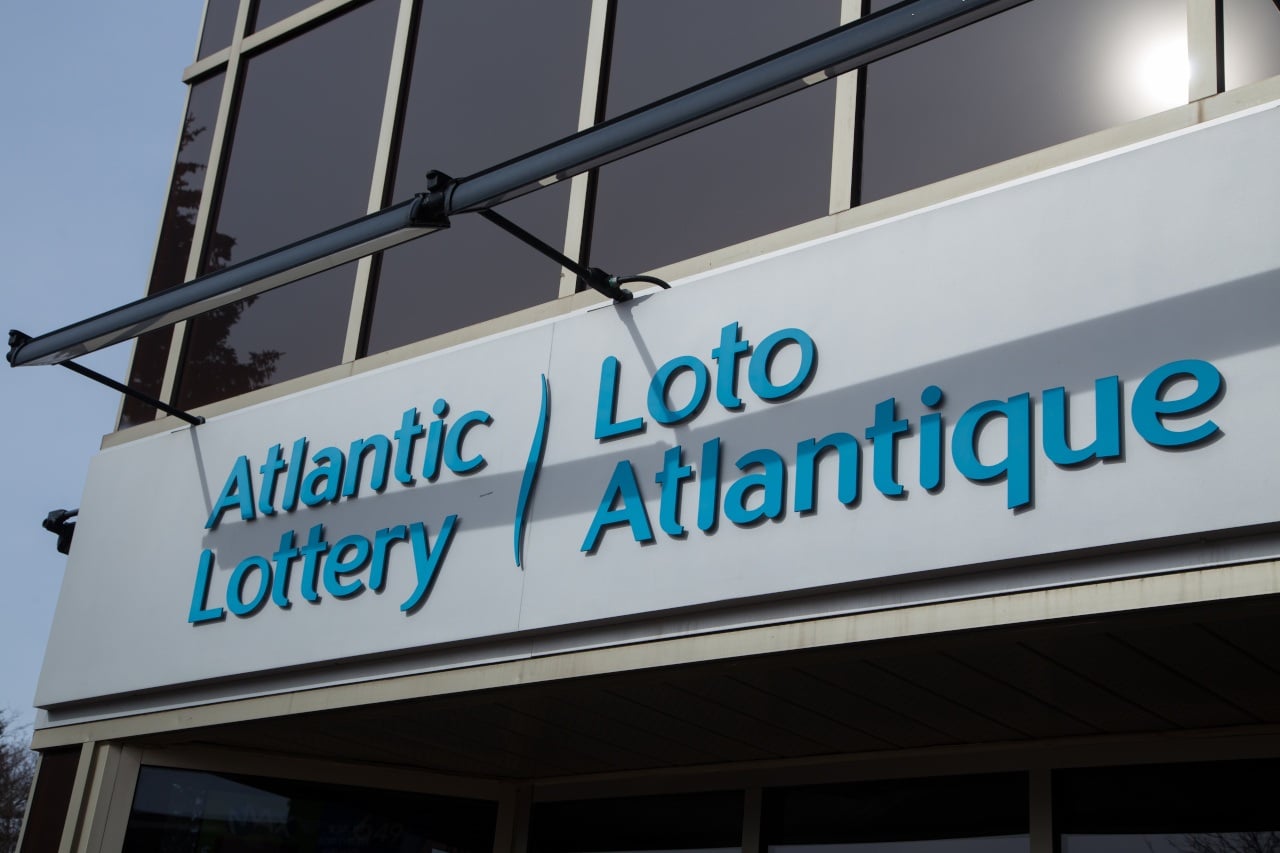
New Brunswick's provincial government is reportedly exploring a significant regulatory shift that could reshape the Atlantic region's online gambling landscape. Finance Minister Rene Legacy confirmed that Premier Susan Holt's administration is considering changes to the province's iGaming model, moving away from the current monopoly operated by the Atlantic Lottery Corporation (ALC) toward a regulated private market structure.
The impetus for this potential overhaul is straightforward: lost revenue. The ALC, which operates online gambling services on behalf of Nova Scotia, New Brunswick, Prince Edward Island, and Newfoundland and Labrador, estimates that unregulated gambling sites divert approximately CA$200 million annually from the Atlantic Canadian region. During fiscal year 2024-25, the ALC increased its market share of online betting and gaming activity to 34%, up from 22% the previous year, but this still leaves substantial leakage to unlicensed operators.
Market research from TRM Public Affairs illustrates the scale of the challenge. Of the CA$921 million available market in Atlantic Canada, only 25% has been channeled into regulated offerings, with 75% remaining in the unregulated space. This translates to CA$691 million in unregulated gaming revenue and an estimated CA$167.6 million in lost government revenue across the region.
New Brunswick would not be breaking new ground with this approach. Ontario launched its regulated iGaming market in 2022 and has since attracted 49 licensed operators, generating CA$396.3 million in total non-adjusted gross gaming revenue in August 2026 alone. Alberta's market, which launched more recently in July 2026, already features 51 operator sites. Both provinces have demonstrated that competitive, regulated markets can capture significant revenue while establishing consumer protections and responsible gambling frameworks.
A noteworthy challenge facing New Brunswick players is geo-blocking enforcement. Currently, players attempting to access Ontario-licensed sites are blocked from doing so, but are often redirected to international domains operated by the same companies. This technical friction drives users toward unregulated alternatives, undermining the province's ability to capture tax revenue and enforce player protections.
The timing of New Brunswick's exploration coincides with broader regulatory momentum in Eastern Canada. Quebec's newly elected Parti Québécois minority government, which took office after the October 5 election and is committed to balancing the provincial budget by 2028-29, campaigned on introducing a regulated private iGaming market. The opposition Liberal Party made a similar commitment, suggesting that Quebec's long-standing online gambling monopoly may also be ending.
From a market development perspective, the Atlantic Canadian region represents substantial untapped potential. The ALC's goal of reaching 50% market share over five years suggests that even under a monopoly model, there is recognition of significant unregulated activity. A competitive, regulated framework could accelerate that consolidation while generating additional tax revenue and creating opportunities for new operator licensing.
New Brunswick's consideration of this shift reflects a pragmatic acknowledgment that maintaining regulatory monopolies in the face of readily accessible international competition creates friction without preventing participation. Whether the province ultimately proceeds, and on what timeline, will signal whether Atlantic Canada is moving toward the competitive regulatory model now established in Ontario and Alberta.
Source
Casino.orgRelated stories

Nevada Culinary Union Mobilizes for Midterm Elections Amid Casino Industry Labor Tensions

Ohio Escalates Legal Campaign Against Prediction Market Operators

FanDuel Defends VIP Program Amid Lawmakers' Scrutiny Over Harm Prevention

NBA Implements Sweeping Player Prop Bet Restrictions Following Gambling Scandals
More on CasinoAdvisor