

Based on reporting by Casino.org →
MGM Resorts International has restructured its voting agreement with Barry Diller's People Inc., a shift that financial analysts say could facilitate a sale of the Las Vegas gaming operator to a third-party buyer and elevate MGM China's profile as a strategic asset in future deal-making.
Under the original agreement announced earlier this year, Diller's media consortium controlled approximately 26 percent of MGM's shares and maintained voting rights that would have blocked competing takeover bids. The amended accord, however, fundamentally alters this dynamic. People Inc. has pledged to vote its shares "in accordance with the Board's recommendation in connection with a change of control transaction," effectively removing the veto power that previously existed.
MGM Chairman articulated the strategic rationale behind the revision, describing it as creating "a clear path to maximize value through share repurchases and a change of control transaction, if applicable." Financial research firm CreditSights interpreted this language as MGM leaving the door open to alternative acquirers, especially if the company's stock price remains depressed.
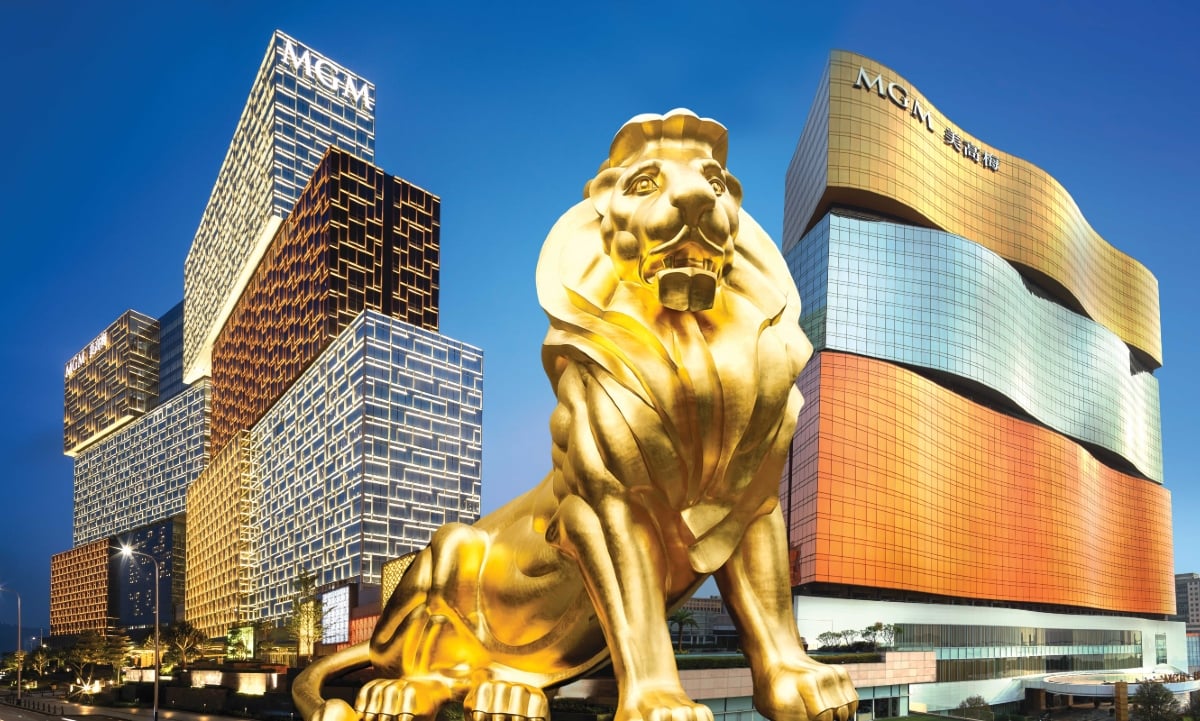
The Macau-based gaming operator, in which MGM Resorts maintains a 56 percent stake, could emerge as a centerpiece of negotiation in any hypothetical acquisition. MGM China operates two flagship properties: MGM Cotai and MGM Macau. According to CreditSights, the unit's strong operational performance would likely attract potential buyers of the parent company. The firm noted that recent third-quarter 2026 results demonstrated "decent" performance with improved market share and leverage metrics that remain well below pre-pandemic levels.
CreditSights identified "event risk" surrounding MGM China following the voting agreement amendment, though analysts characterized the acute takeover overhang as less severe than previously assessed. The research suggests that while no transaction is currently on the table, the structural changes make MGM more attractive to potential acquirers who might otherwise face obstacles.
Speculation has emerged regarding whether a future buyer might seek to divest certain MGM assets. Shortly after Diller's initial takeover proposal, unconfirmed reports suggested he intended to unload MGM's stakes in both MGM China and MGM Osaka. If a different buyer ultimately acquires MGM Resorts, similar asset separation discussions could surface, though such outcomes remain speculative.
MGM has publicly stated it is neither conducting talks with Diller's consortium nor engaged in discussions with prospective third-party buyers. However, the amended voting agreement implicitly acknowledges the possibility of future transaction activity. For MGM China shareholders, this development introduces both uncertainty and potential opportunity. A change of control at the parent company could either complicate the subsidiary's strategic positioning or, conversely, provide clarity and potentially favorable outcomes depending on the acquiring party's geographic priorities and operational strategy.
The situation underscores how concentrated stakes in public gaming operators can create leverage points during M&A activity, and how amendments to shareholder agreements can reshape competitive dynamics within the industry.
Source
Casino.orgRelated stories

Betty Canada Posts 23% Q3 Revenue Growth to $111M, Accelerates Alberta Market Entry
Konami Gaming Revenue Surges 41% as SYNKROS Platform Expands Across North America and Australia
MGM Resorts Q3 Revenue Declines as Las Vegas Rate Pressure Offsets Macau Growth

New York Sports Betting Handle Grows Despite Prediction Market Competition
More on CasinoAdvisor