

Based on reporting by Casino.org →
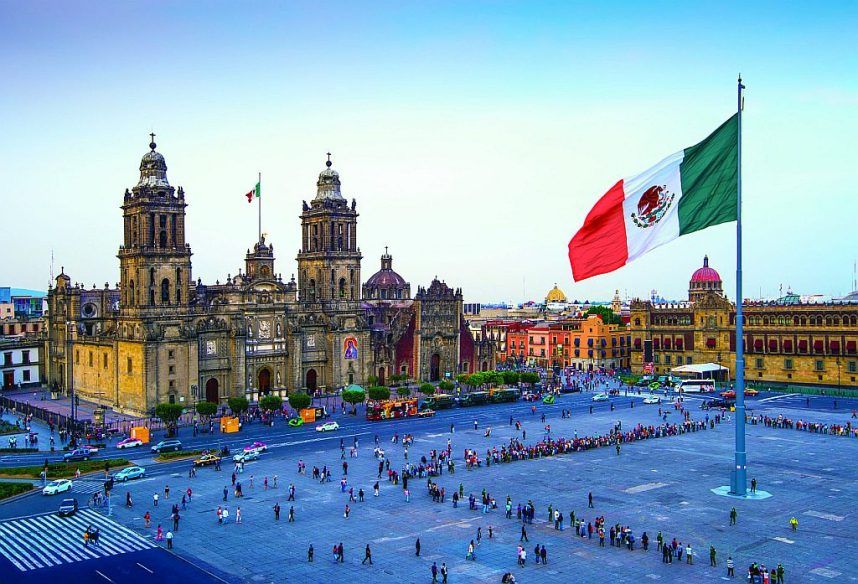
Mexico is pursuing its most significant gaming regulatory modernization in nearly eight decades, with Interior Secretary Rosa Icela Rodriguez confirming that the government has drafted an overhaul of the Federal Gaming and Sweepstakes Law. The legislation now moves to the Security Cabinet for review before potential introduction to Congress, marking a critical juncture for a country whose primary gambling statute has remained largely unchanged since 1947.
The reform effort reflects longstanding pressure from both government officials and commercial casino operators to update statutory frameworks that predate modern financial transparency standards and digital commerce. Mexico's gaming market remains strategically important for international operators despite its outdated regulatory structure. In July 2026, online gaming provider Codere cited Mexican operations as the primary catalyst for record quarterly financial results, underscoring the market's growth potential and operator interest in regulatory clarity.
However, statutory reform in Mexico faces a documented history of congressional obstruction. Previous attempts to modernize federal gambling laws have stalled, and Rodriguez indicated the current administration views Security Cabinet approval as essential groundwork before pursuing legislative action. President Claudia Sheinbaum has instructed the Interior Ministry to conduct the review, though Rodriguez cautioned that cabinet approval remains uncertain. "By instruction of the President, we are conducting the review," Rodriguez stated. "We'll see if the law gets through the Security Cabinet and they approve it, and then we move forward."
The legislative push arrives alongside an aggressive enforcement campaign targeting suspected financial misconduct. Federal authorities have initiated sanctions, administrative closures, or legal proceedings against approximately 20 gaming properties, including 13 commercial casinos. The coordinated enforcement effort involves Mexico's Attorney General's Office and the Finance Ministry's Financial Intelligence Unit, with investigations focusing on tax fraud and money laundering allegations.
Rodriguez emphasized that operators demonstrating full compliance with tax obligations, formal employee registration, and labor standards face no regulatory jeopardy. However, she issued forceful warnings against corruption, directly addressing casino operators during a press conference. "Please, do not corrupt the personnel of the Interior Ministry," Rodriguez stated, warning that businesses attempting to bribe officials would face immediate closure while government personnel accepting illicit payments would face criminal prosecution and imprisonment.
To combat administrative corruption during property audits, the Interior Ministry has implemented a mutual recording protocol requiring both casino operators and government inspectors to record all site visits using smartphone cameras. This dual-documentation approach aims to eliminate disputes over inspector conduct and eliminate opportunities for backroom solicitation. "Both sides will have the evidence," Rodriguez noted.
The pairing of statutory modernization with immediate anti-corruption enforcement signals that Mexico's regulators are committed to establishing non-negotiable compliance standards as the gaming market develops. For operators already present in Mexico and those considering market entry, the sequence suggests that regulatory certainty and enforcement consistency will define the operating environment going forward. The outcome of Security Cabinet review remains the critical near-term milestone for determining whether legislative momentum materializes.
Source
Casino.orgRelated stories
NFL Escalates Pressure on Prediction Markets Over Integrity Risks

Canadian Lottery Coalition Escalates Push to Regulate Prediction Markets

Federal Judge Upholds Coquille Tribe's Medford Casino 170 Miles From Reservation

MGM Resists Springfield Lawsuit, Claims City Obstructing Casino Sale
More on CasinoAdvisor