

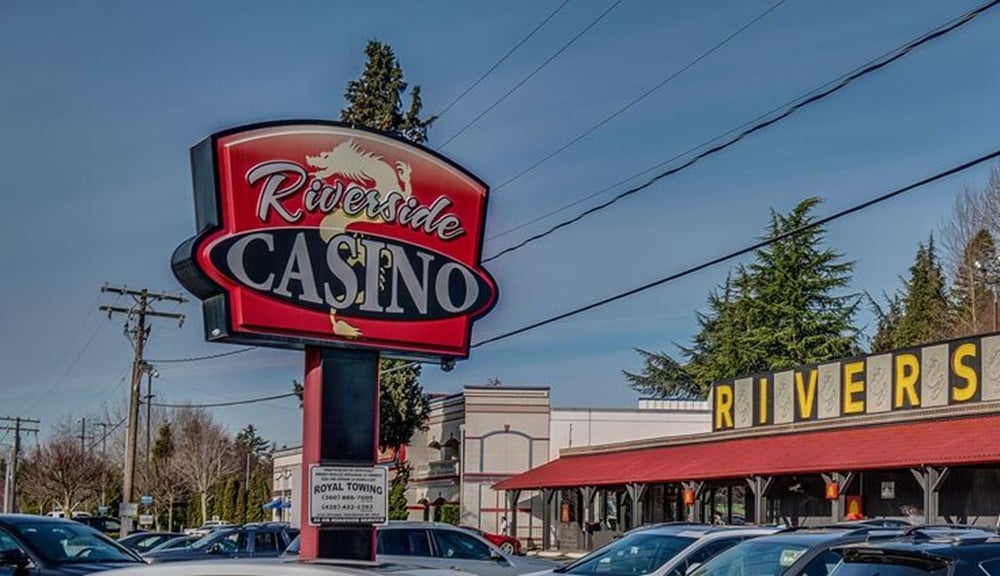
Based on reporting by Casino.org →
Maverick Gaming, the Kirkland, Washington-based cardroom operator navigating Chapter 11 bankruptcy, announced the closure of two more properties in Tukwila as it continues to downsize its regional footprint. Riverside Casino and Great American Casino will close November 1, eliminating 142 and 96 jobs respectively, according to Worker Adjustment and Retraining Notification (WARN) notices filed with Washington state on August 31. These closures represent the latest chapter in a rapid contraction that has claimed five properties and more than 400 jobs since June alone.
The company's financial distress traces directly to an aggressive, debt-fueled expansion strategy that proved catastrophically miscalculated. After the 2018 US Supreme Court decision striking down PASPA, Maverick embarked on an acquisition spree, purchasing 24 cardroom venues across Washington between 2018 and 2019 as the company bet heavily that state lawmakers would legalize commercial sports betting. Instead, Washington's 2020 sports betting legislation restricted wagering to tribal casinos only, including mobile operations permitted exclusively on tribal lands. Maverick's 2022 federal lawsuit challenging the tribal exclusivity as an unconstitutional monopoly was ultimately dismissed, leaving the company with an oversized portfolio and no path to its primary revenue catalyst.
The structural headwinds proved insurmountable. Highly leveraged from its expansion phase, Maverick faced rising interest rates that substantially increased debt servicing costs. Simultaneously, competition from tribal casinos intensified pressure on the properties it did retain. The company filed for Chapter 11 protection in July 2025 after the financial strains became unsustainable. Between the bankruptcy filing and these most recent closures, four additional cardrooms shuttered: Dragon Tiger Casino in Mountlake Terrace, Palace Casino in Lakewood, Silver Dollar Casino in Renton, and Roman Casino in Seattle. June saw the closure of Silver Dollar SeaTac Casino (65 jobs), followed in July by Crazy Moose Mountlake Casino and Silver Dollar Mill Creek Casino (123 combined jobs).
Maverick continues to operate gaming properties in Washington, Nevada, and Colorado, and the US Bankruptcy Court for the Southern District of Texas granted the company a fourth extension of its exclusive period to file a Chapter 11 reorganization plan as of August 31. The company remains in the process of determining whether it can emerge from bankruptcy as a smaller, more focused operator or whether further asset sales and closures are inevitable.
The Maverick situation underscores the structural risks embedded in state-by-state gaming regulation. Companies that make aggressive capital deployments based on assumed regulatory liberalization face existential risk when legislatures diverge from market expectations. The tribal exclusivity in Washington's sports betting framework, while justified on sovereignty grounds, created a competitive moat that rendered Maverick's cardroom portfolio economically unviable. For casino industry observers tracking operator stability and regional consolidation, Maverick's deterioration represents a cautionary tale about leverage, regulatory assumption risk, and the enduring competitive advantages tribal operators maintain in their jurisdictions.
Source
Casino.orgRelated stories
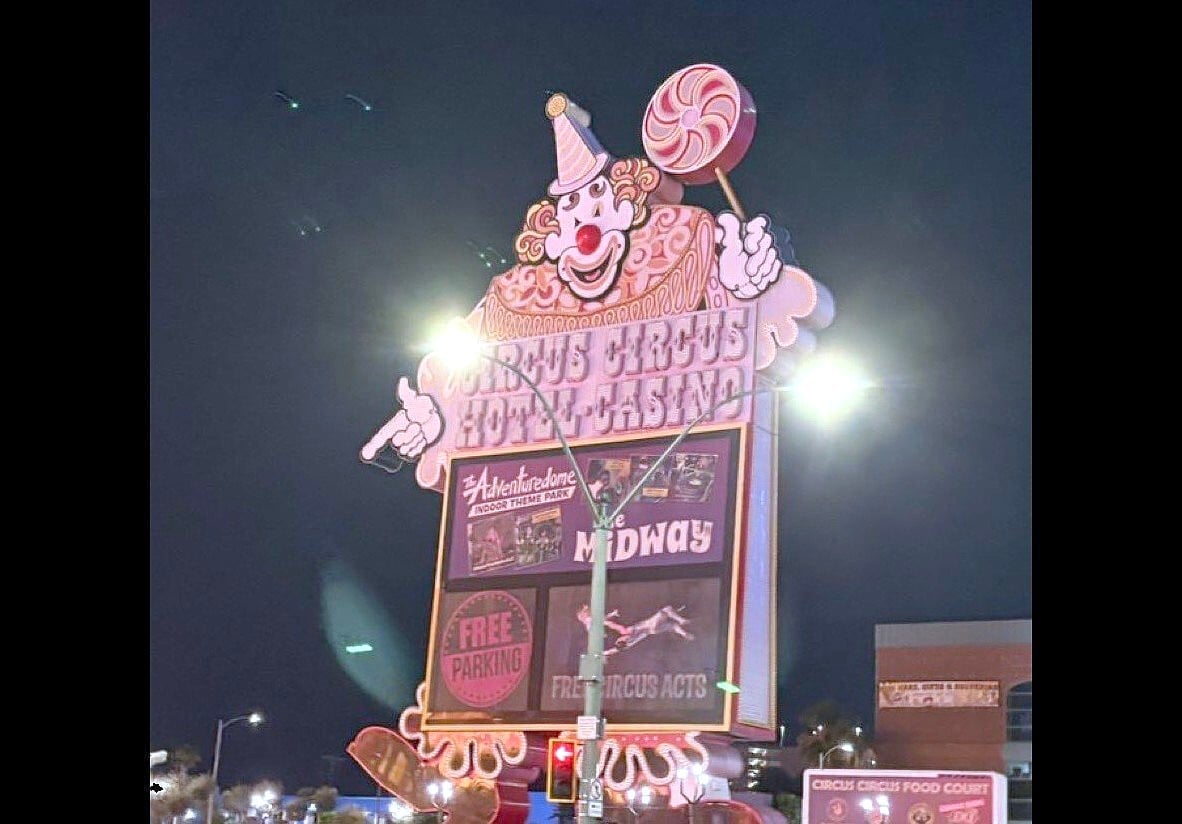
Circus Circus Lucky Clown Sign Faces Uncertain Future After 50 Years on Strip

Station Casinos Awards $70M in Stock to Nearly 10,000 Employees for 50th Anniversary

Primero Games Acquires Win Systems Gaming Division to Expand Latin American Operations
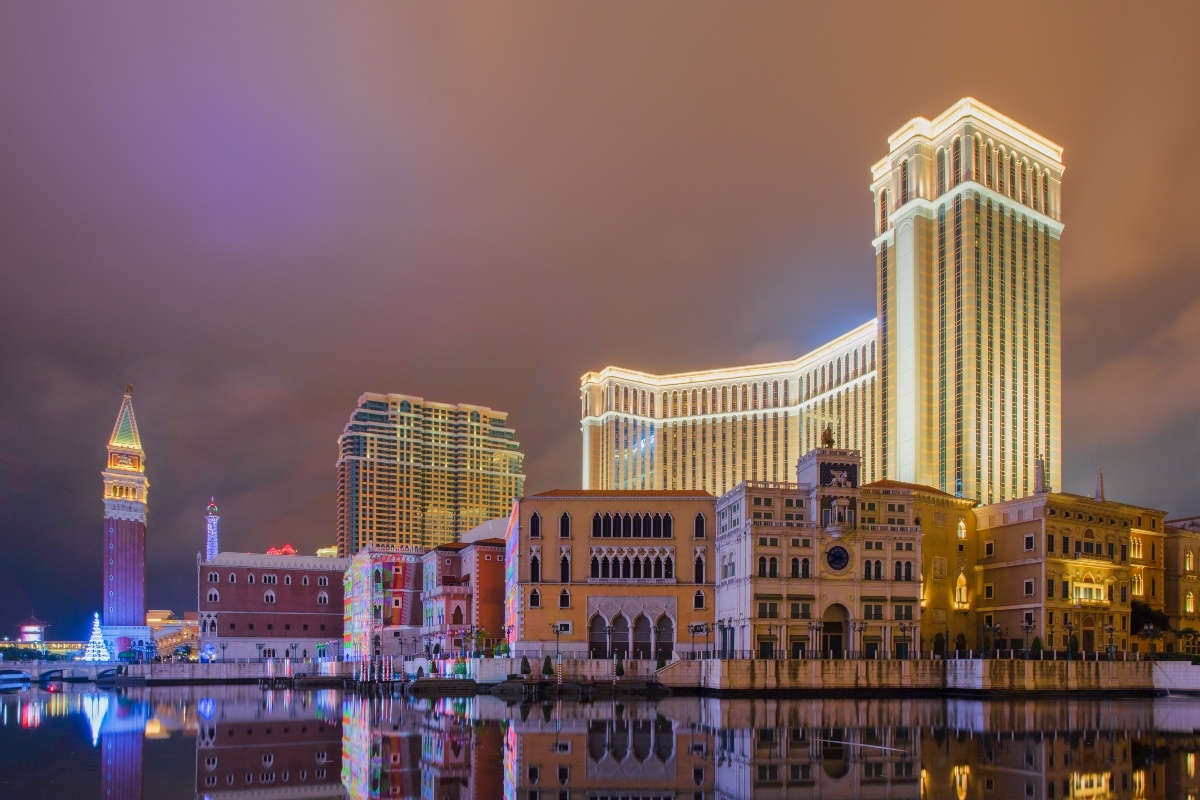
Las Vegas Sands Crosses 75% Ownership Threshold in Sands China
More on CasinoAdvisor