

Based on reporting by Casino.org →
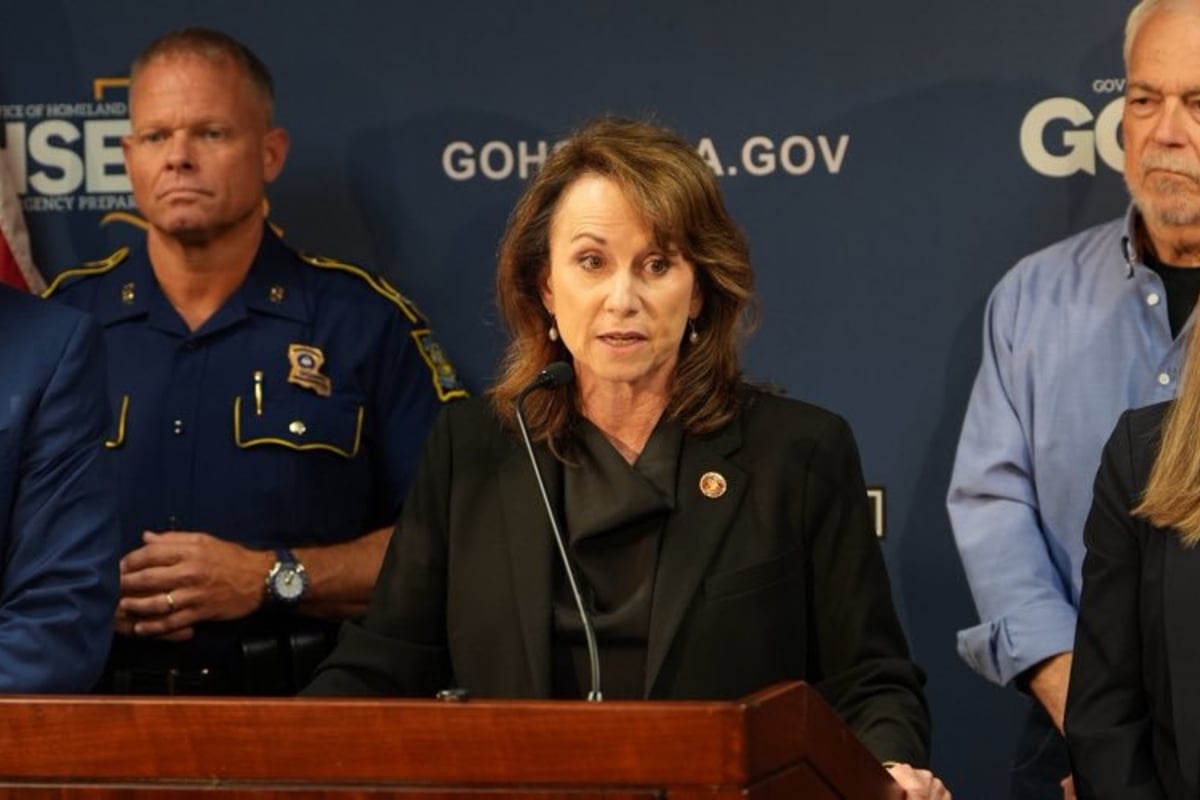
Louisiana has become the latest jurisdiction to directly challenge the legality of prediction markets, with Attorney General Liz Murrill securing a temporary restraining order on November 12 that directs federally regulated prediction market platforms to immediately cease operations within the state. The order was issued by Tangipahoa Parish Judge Jeffrey Johnson following Murrill's petition arguing that prediction markets operating under Commodity Futures Trading Commission (CFTC) licenses violate Louisiana's gaming laws.
Murrill's position reflects a hardening stance among state regulators who view prediction markets as thinly disguised gambling operations operating outside traditional regulatory frameworks. In her public statement, the attorney general argued that prediction market operators are engaged in illegal betting and attempting to circumvent state gaming laws through semantic manipulation. "It's not complicated: if you aren't a licensed gaming operator, you aren't legal," Murrill stated, adding that "judges all over the country have overwhelmingly called this activity what it is: gambling."
Judge Johnson agreed with the state's arguments, finding that Murrill was "entitled to her requested immediate relief" and that the defendants' conduct was "immediately and irreparably harming the State in its sovereign capacity, as well as its citizens." A preliminary injunction hearing has been scheduled for November 30.
However, as of Friday morning, the prediction market platforms named in the restraining order remained accessible to Louisiana users. The operators are challenging the state's authority to regulate them, arguing that their CFTC licenses confer exclusive federal jurisdiction and preempt state gaming laws under the Supremacy Clause. This federal-versus-state jurisdictional conflict sits at the heart of the emerging prediction market regulatory crisis.
The timing of Louisiana's action coincides with renewed federal pressure on prediction markets. Earlier in the week, CFTC Chair Michael Selig issued guidance to designated contract market (DCM) license holders, instructing them to ensure their platforms remain accessible nationwide. This directive was issued in direct response to prediction markets that had begun geofencing their services to avoid state enforcement actions. Selig argued that geographic restrictions are inconsistent with the Commodity Exchange Act's requirement for uniform, national-scale derivatives market operations.
This creates a direct regulatory conflict: state attorneys general claim prediction markets violate consumer protection and gambling laws, while the CFTC asserts that licensed platforms must operate without geographic restrictions. Louisiana is not alone in pursuing legal action. More than a dozen states have filed lawsuits seeking to block prediction market operations, with claims ranging from violations of gaming statutes to breaches of consumer protection laws.
The Louisiana case exemplifies the unresolved tension between state gaming authority and federal commodities regulation. Whether prediction market contracts constitute gambling under state law or legally tradeable derivatives under federal law remains contested, with courts across the country increasingly siding with state regulators. The November 30 hearing may provide clarity on how aggressively Louisiana will enforce its position, and whether other states will follow with similar enforcement actions.
Source
Casino.orgRelated stories

Live! Casino Philadelphia Faces Class-Action Lawsuit Over Dealer Wage Violations

South Korean Men Sentenced for Supplying North Korean Hacking Services to Illegal Gambling Operations

Oregon Appeals Court Upholds Embezzlement Conviction in Casino Gambling Case

Oregon Comptroller Loses Appeal in $300K Embezzlement Case Involving Casino Cash Advances
More on CasinoAdvisor