

Based on reporting by Casino.org →
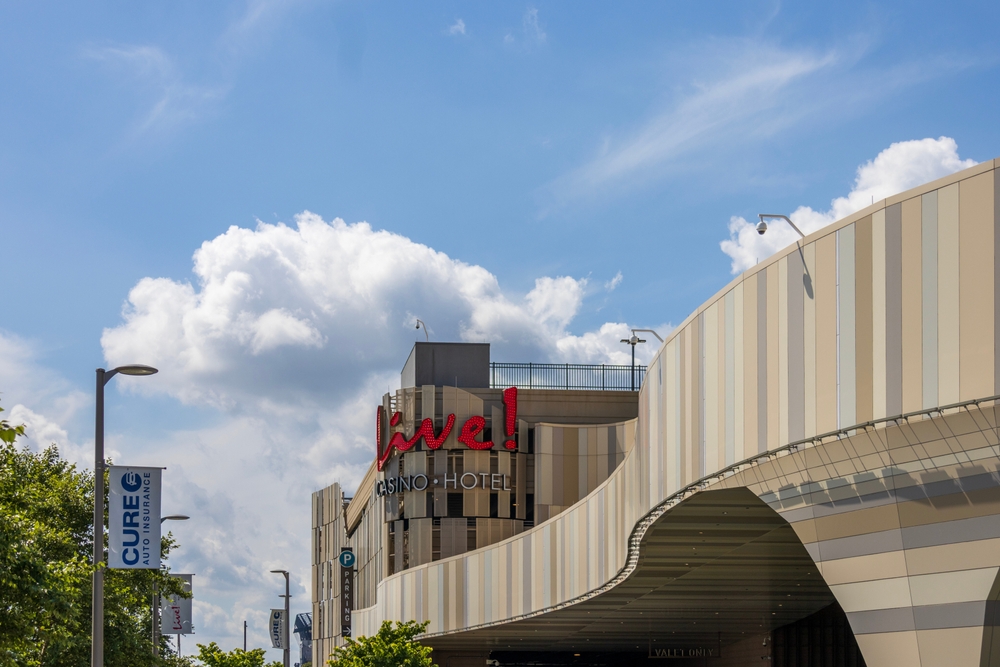
Live! Casino & Hotel Philadelphia has become the latest target in an expanding wave of wage-violation litigation against major casino operators. A proposed class-action lawsuit filed November 9, 2026, in Pennsylvania federal court alleges the property violated state and federal wage laws through scheduling practices, tip-pooling arrangements, and inadequate employee notification regarding compensation structures.
Former dual-rate supervisor Jannies Lan, the named plaintiff, claims that table games dealers worked under systematic practices that short-changed hundreds of employees. According to the complaint, blackjack, roulette, and other table games dealers typically work 80-minute shifts followed by mandatory 20-minute breaks during which they cannot deal games or earn tips directly from customers. These breaks, which represent at least 20 percent of working hours for standard dealers and up to 25 percent for craps dealers whose positions require more complex calculations, occur away from the casino floor yet remain compulsory with the possibility of management calling workers back at any time.
Despite performing no tip-generating work during these breaks, Live! allegedly compensated dealers at the reduced hourly rate designated for tipped workers. The lawsuit argues this practice violates Pennsylvania wage law, which restricts tip-credit application to time spent performing work that does not generate tips. The complaint further contends that mandatory breaks primarily benefit the casino operator by maintaining dealer mental acuity and reducing costly operational errors, not the employees themselves.
The litigation also targets the casino's tip-pooling practices. According to the complaint, Live! designated approximately five dealers nightly to count and redistribute tips collected from gaming tables, compensating them roughly $25 each for this administrative work. Rather than funding these positions directly, the casino allegedly deducted compensation from the collective dealer tip pool, effectively requiring workers to subsidize what constitutes a necessary business expense. Lan further alleges the casino failed to provide legally mandated disclosures explaining tip-credit system mechanics. Court documents cite two weeks in January 2024 when Lan received base wages of $7 per hour, below Pennsylvania's $7.25 minimum wage threshold.
The Philadelphia action represents part of a coordinated legal campaign. The same three law firms pursued a virtually identical case against Ocean Casino Resort in April 2026, following similar lawsuits filed against seven Atlantic City casinos in March 2026. This pattern suggests organized efforts to challenge dealer compensation practices across the region's major gaming properties.
These lawsuits arrive amid broader scrutiny of casino labor practices and raise questions about industry-wide compliance with wage regulations. The cumulative nature of filings indicates systemic issues rather than isolated incidents at individual properties. CasinoAdvisor has tracked approximately 10 major dealer-focused wage actions across Atlantic City and Philadelphia markets since March 2026, representing potential exposure for operators managing hundreds of current and former employees. The lawsuits seek unpaid minimum wages, overtime compensation, allegedly misappropriated tips, damages, and legal costs. As these cases progress through litigation, they may establish precedents affecting dealer compensation structures across the Northeast gaming corridor.
Source
Casino.orgRelated stories

South Korean Men Sentenced for Supplying North Korean Hacking Services to Illegal Gambling Operations

Oregon Appeals Court Upholds Embezzlement Conviction in Casino Gambling Case

Oregon Comptroller Loses Appeal in $300K Embezzlement Case Involving Casino Cash Advances

Turkish Police Deploy AI System to Dismantle Illegal Betting Networks, Jail 121 Suspects
More on CasinoAdvisor