

Based on reporting by Casino.org →
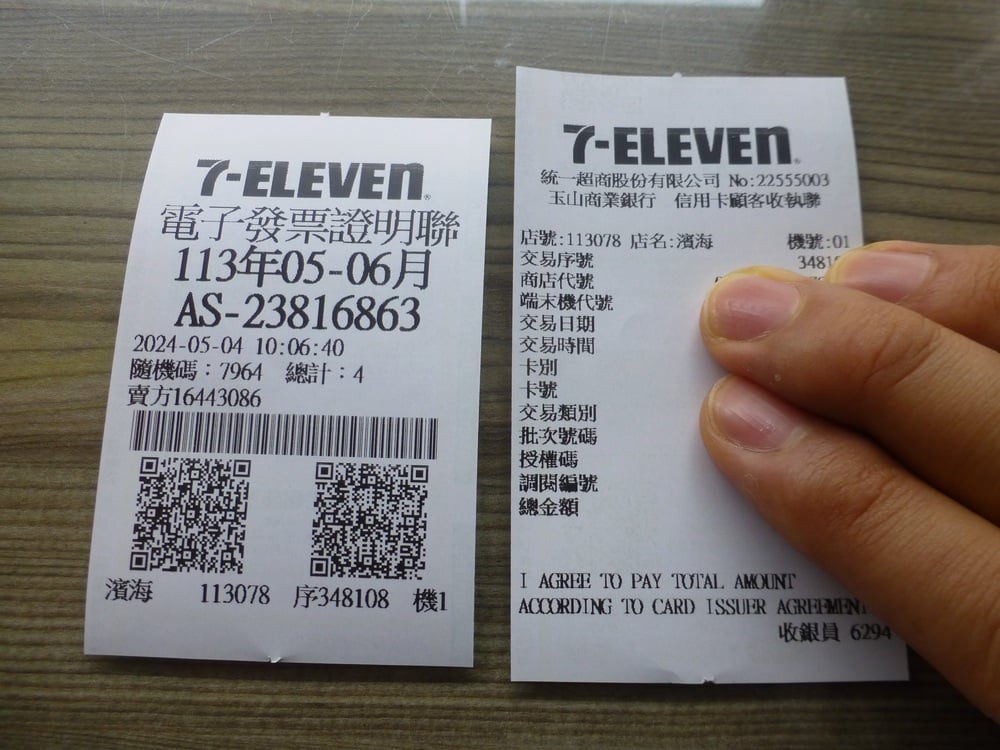
Taiwan's authorities are investigating an unusual lottery fraud case that has left government officials searching for answers about how three men managed to claim hundreds of thousands of dollars in prizes they did not win. The case centers on Taiwan's distinctive Uniform Invoice Lottery, a system so embedded in the nation's commerce that it has operated since 1951 and transforms everyday shopping receipts into official lottery tickets.
On October 5 and 12, a 28-year-old suspect surnamed Chang attempted to redeem two prizes worth NT$10 million (approximately $306,000 each) in Penghu County, an island archipelago off Taiwan's western coast. A second suspect, age 24 and also surnamed Chang, tried to claim an additional NT$200,000 prize. Employees at the redemption location became suspicious of their extraordinary luck and refused payment on the larger claims, instead alerting police.
The investigation revealed the scope of the alleged scheme was far broader than the attempted high-value claims. Authorities discovered that the three suspects possessed more than 30 winning tickets and had already successfully redeemed over 20 of them between October 6 and 18, collecting approximately NT$199,600 (roughly $6,100) before detection. The actual victim count extends beyond the three arrested men, as legitimate ticket holders were denied rightful payouts.
What has genuinely baffled Taiwan's tax authorities is the method. Investigators believe the suspects used convenience store kiosks, such as those operated by 7-Eleven's ibon terminals, to print valid winning certificates using transaction details tied to other shoppers' purchases. This raises critical questions about data security within Taiwan's electronic invoice system. Currently, no evidence of a system hack has been detected, but officials are examining whether the suspects had assistance from insiders with access to sensitive receipt data.
The Uniform Invoice Lottery originated as a tax compliance tool, designed to encourage consumers to request receipts and thereby make it harder for businesses to hide sales from taxation authorities. The system has evolved to include electronic receipts that can be redeemed through multimedia kiosks across the island. Government-held bi-monthly drawings offer top prizes exceeding $300,000, making it an attractive target for fraud.
Lou Mei-chung, director-general of Taiwan's Taxation Administration, acknowledged the unprecedented nature of the fraud to reporters, stating authorities were equally puzzled by the apparent method. The Penghu District Court has detained all three suspects without outside contact, citing risks of collusion, evidence destruction, and the possibility of repeat offenses.
While the Ministry of Finance confirmed that the rightful winner of one NT$10 million prize successfully claimed their payout using digital documentation, the case underscores vulnerabilities that exist even in government-administered lottery systems. The investigation continues into how receipt data was obtained and whether system security protocols require enhancement to prevent similar exploitations.
Source
Casino.orgRelated stories

UK Regulator Fines L&L Europe 900K Pounds for Withdrawal Delays and AML Failures

FIFA World Cup Prediction Market Partner Faces Wash Trading Investigation

Clark County's Street Performer Warning Campaign Misses Mark on Strip Harassment

South Korea Dismantles $17.2B Illegal Gambling Network Built on Rapid-Deploy Casino Sites
More on CasinoAdvisor