

Based on reporting by GamblingNews →
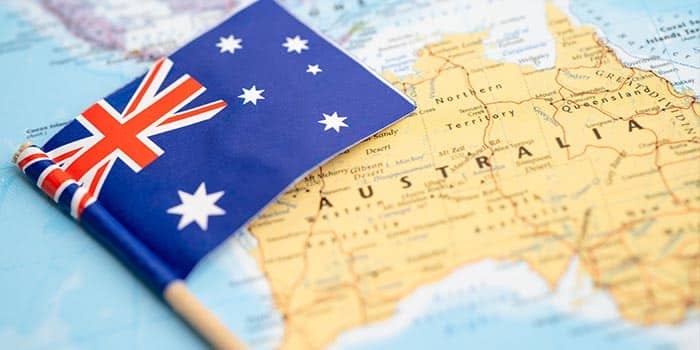
Australia's government has passed legislation to remove gambling company logos from professional sports uniforms, marking a significant step in the nation's broader effort to reduce gambling advertising exposure. However, the implementation includes a lengthy transition period that has sparked considerable debate among policymakers and public health experts.
Under the new rules, which form part of wider gambling advertising reforms taking effect January 1, 2027, all current sponsorship agreements featuring wagering brands on player and official uniforms can remain in place until December 31, 2031. This five-year window gives sports clubs and betting operators substantial time to restructure their commercial arrangements, but critics argue it undermines the stated public health objectives of the legislation.
The National Rugby League faces particular scrutiny under the new framework, with seven clubs currently holding wagering or lottery-branded partnerships. Several of these deals extend beyond 2026, including reported sponsorships with the Newcastle Knights, Penrith Panthers, and Sydney Roosters. Additional clubs such as the Brisbane Broncos, Dolphins, and Wests Tigers maintain existing relationships with gambling-related businesses. Notably, domestic lottery operators are exempt from the restrictions, meaning partnerships like the Gold Coast Titans' arrangement with The Lottery Office are expected to remain unaffected.
Independent Senator David Pocock has been especially critical of the transition period, calling on sporting organizations to voluntarily sever betting sponsorships well before the legal deadline rather than exploit the full timeframe available. Liberal MP Andrew Wallace echoed similar concerns, having previously proposed a two-year transition window that he argued would have been sufficient for clubs to secure alternative sponsors while removing gambling branding from sport more expeditiously. Wallace also highlighted an awkward scenario where gambling logos could still appear on professional jerseys when the legislation undergoes its planned three-year review.
Communications Minister Anika Wells defended the five-year arrangement as pragmatic accommodation for existing contractual obligations. The government indicated a preference for early voluntary withdrawal but acknowledged that decisions to terminate commercial agreements ultimately rest with individual organizations.
Public health advocates have questioned whether the prolonged transition period actually advances the reforms' core objectives. Their primary concern centers on whether continued association between gambling brands and popular sports teams could normalize betting behavior among children and younger audiences, potentially offsetting gains achieved through other restrictive measures.
The jersey restrictions represent one component of comprehensive advertising reforms. The broader package includes stricter controls on wagering promotions across broadcast media, online platforms, and sporting venues, alongside limitations on athlete, celebrity, and influencer participation in gambling advertising. These measures collectively signal Australia's intent to reshape the relationship between sports and gambling marketing, though the execution timeline remains contentious. Industry observers will monitor whether clubs voluntarily accelerate the phase-out or utilize the full regulatory window available to them.
Source
GamblingNewsRelated stories
Polymarket NFL Injury Contracts Raise CFTC Concerns Despite Self-Certification Approval

Brazil's Political and Institutional Divide Over Online Casino Future Creates Investor Uncertainty

PAGCOR Launches Player Protection App to Combat Philippine Illegal Gambling

Dutch Regulator Sounds Alarm on Youth Gambling as 41% of New Accounts Opened by 18-Year-Olds
More on CasinoAdvisor