

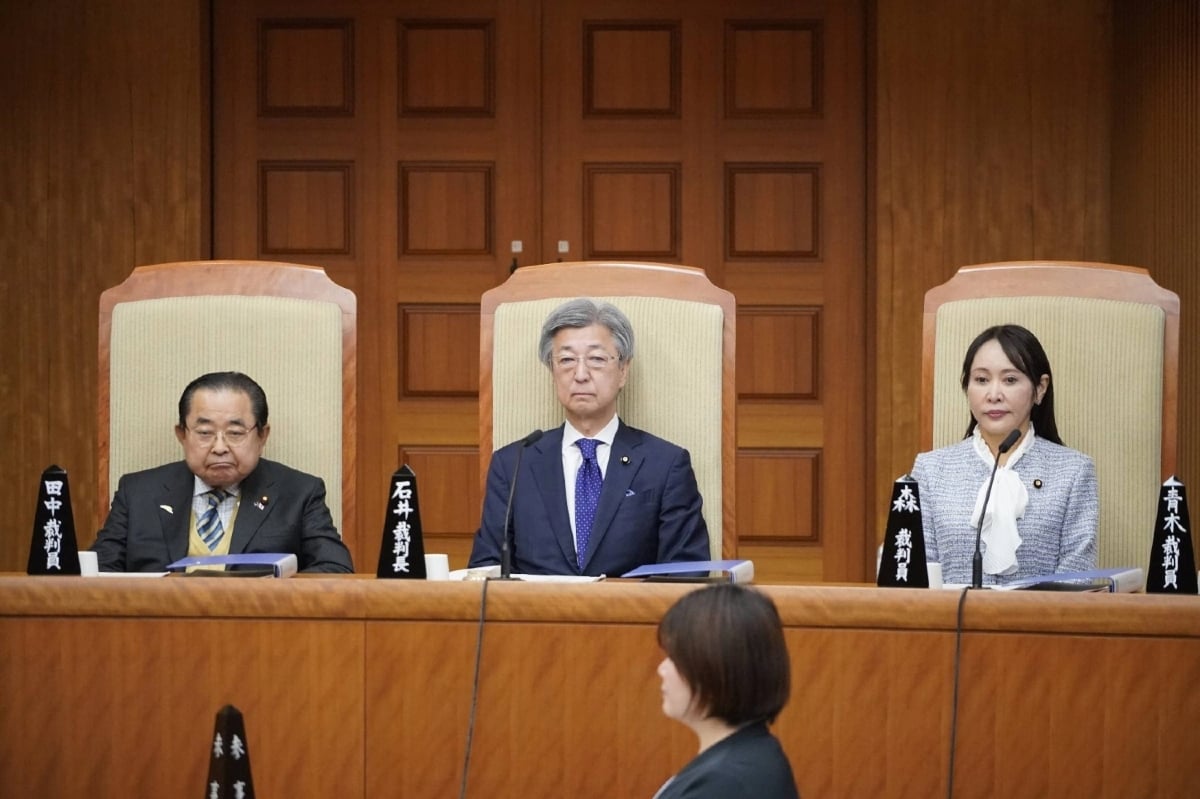
Japan's Judge Impeachment Court in Tokyo formally removed Judge Akifumi Morimoto, 52, from the Niigata Summary Court on November 25, 2026, marking a rare constitutional intervention in the judiciary. Morimoto, who presided over civil matters, small claims, and low-level criminal cases, was impeached after prosecutors indicted him in April on charges of accessing online casino sites and placing more than 60,000 bets over a six-month period from April to September 2023. He was also accused of embezzling approximately 2.78 million yen (USD 14,475) in management association fees collected from fellow residents of his public-servant housing complex.
In October 2026, Morimoto admitted to all charges and was subsequently suspended from his judicial duties. The 14-member Judge Impeachment Court, comprised of elected lawmakers from Japan's National Diet (seven from the House of Representatives and seven from the House of Councillors), voted to dismiss him. Presiding Judge Junichi Ishii stated that the tribunal "was given no choice but to dismiss," describing Morimoto's conduct as "absolutely outrageous" and "utterly unacceptable."
Morimoto becomes only the ninth judge impeached since the end of World War II, underscoring how exceptionally rare judicial removal is in Japan. The impeachment process itself remains constitutionally sensitive in Japan, as critics argue that granting Diet lawmakers authority over the judiciary potentially violates the post-WWII Constitution's separation of powers doctrine. Because of this structural tension, the Judge Impeachment Court is widely viewed as a last resort mechanism for removing sitting judges. The seriousness of the allegations - habitual gambling combined with embezzlement - prompted lawmakers to override these constitutional concerns and move forward with the proceeding.
Morimoto sought to retain his position despite admitting to the charges, issuing a statement in which he said, "I am deeply sorry for undermining public trust in the judicial system through my foolish conduct." However, the court determined his actions had fundamentally compromised confidence in Japan's judiciary and warranted removal. He received a suspended prison sentence following his admissions.
This case occurs within Japan's unique gambling regulatory framework. While gambling is generally prohibited in the country, numerous exceptions and workarounds exist. Pachinko parlors operate widely, offering slot-like machines that award prizes later exchanged for cash at separate businesses. Japan also permits parimutuel wagering on horse, motorcycle, and bicycle racing, operates government-run lotteries and sports lotteries, and has begun authorizing large-scale casino resorts - authorized for up to three facilities in 2018, though only one license has been awarded thus far to MGM Resorts and Orix Corporation in Osaka.
The Morimoto case highlights the intersection of judicial accountability and evolving gaming regulations in Japan. As the country cautiously expands its legal gaming footprint through integrated resort development, public figures' adherence to the law becomes increasingly visible and scrutinized. This impeachment sends a stark message about expectations for judicial conduct, particularly regarding illegal online gambling - a gray area that likely exploited regulatory gaps during the period Morimoto placed his 60,000-plus bets.
Source
Casino.orgRelated stories

New York Medic Arrested in $36.7M Ponzi Scheme Fueled by Online Gambling Losses

Star Entertainment Makes First A$260M Fine Payment After AML Failures

Two Belizean Police Officers Charged in Armed Robbery of Casino Winner

Texas Financial Advisor Admits to $1.46M Casino Fraud Targeting Elderly Investors
More on CasinoAdvisor