

Based on reporting by Casino.org →
U.S. District Judge Amit Mehta in Washington, D.C., has denied a challenge brought by the Cow Creek Band of Umpqua Tribe of Indians, the Karuk Tribe, and the Tolowa Dee-ni' Nation against the Coquille Indian Tribe's controversial casino development in Medford, Oregon. The ruling marks a significant victory for the Coquille Tribe and the Department of the Interior in a dispute that hinges on the interpretation of tribal gaming law and the geographic scope of tribal gaming authority.
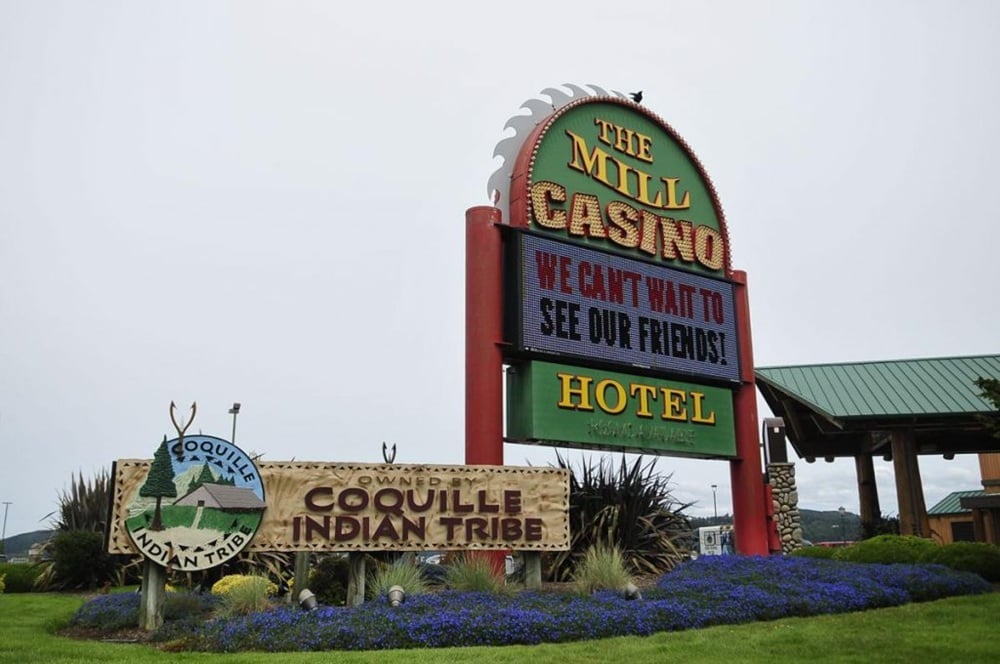
The Coquille Tribe initially applied in 2012 to have a 2.4-acre Medford property placed into federal trust for gaming purposes. The site sits approximately 170 miles from the tribe's main reservation in Coos Bay, where it currently operates the Mill Casino. The Department of the Interior initially rejected the application in 2020, citing concerns about the distance from the reservation and opposition from state and local officials. However, the agency reversed its position in January 2025, approving the trust acquisition and gaming use the same day the property was transferred. Limited gaming operations commenced immediately.
The central legal issue in the case involved whether the Medford property qualified for the 'restored lands' exception under the Indian Gaming Regulatory Act (IGRA). IGRA generally prohibits gambling on tribal lands taken into trust after October 17, 1988, but provides exceptions for land restored to tribes that have regained federal recognition. The Coquille Restoration Act of 1989 authorizes the Interior secretary to accept land into trust within the tribe's designated five-county service area, comprising Coos, Curry, Douglas, Jackson, and Lane counties. Since Medford is located in Jackson County, the Interior determined the property qualified as restored land. Judge Mehta agreed, relying on binding precedent from the U.S. Court of Appeals for the D.C. Circuit to support this interpretation.
The three plaintiff tribes, which operate gaming facilities within 150 miles of the Medford site, argued that the new casino would siphon revenues from their own operations and reduce funding available for tribal education, health care, and other essential services. They also contended that the Interior acted arbitrarily in reversing its 2020 rejection. Judge Mehta rejected both arguments. He noted that circumstances had changed during the lengthy review period, including the Coquille Tribe's execution of a municipal services agreement with Medford and evidence that the existing Mill Casino's income had failed to keep pace with rising operational costs. The Interior estimated the Medford facility could eventually generate approximately 18.5 million dollars annually.
The ruling is a final, appealable order, meaning the three tribes retain the option to escalate their challenge to the D.C. Circuit Court of Appeals. The Coquille Tribe's long-term plans call for constructing a 16,000-square-foot gaming floor with 650 Class II gaming machines at the Medford location. This case reflects ongoing tensions within tribal gaming over how to balance the commercial interests and revenue needs of individual tribes against broader competitive concerns within gaming markets where multiple tribal operators exist in close geographic proximity. The outcome may have implications for other tribes evaluating trust land acquisition strategies within their congressionally designated service areas.
Source
Casino.orgRelated stories

NFL Escalates Pressure on Prediction Markets Over Integrity Risks

Canadian Lottery Coalition Escalates Push to Regulate Prediction Markets

MGM Resists Springfield Lawsuit, Claims City Obstructing Casino Sale
Biloxi Planning Commission Clears Path for Black Marlin Casino Development
More on CasinoAdvisor