

Based on reporting by Casino.org →
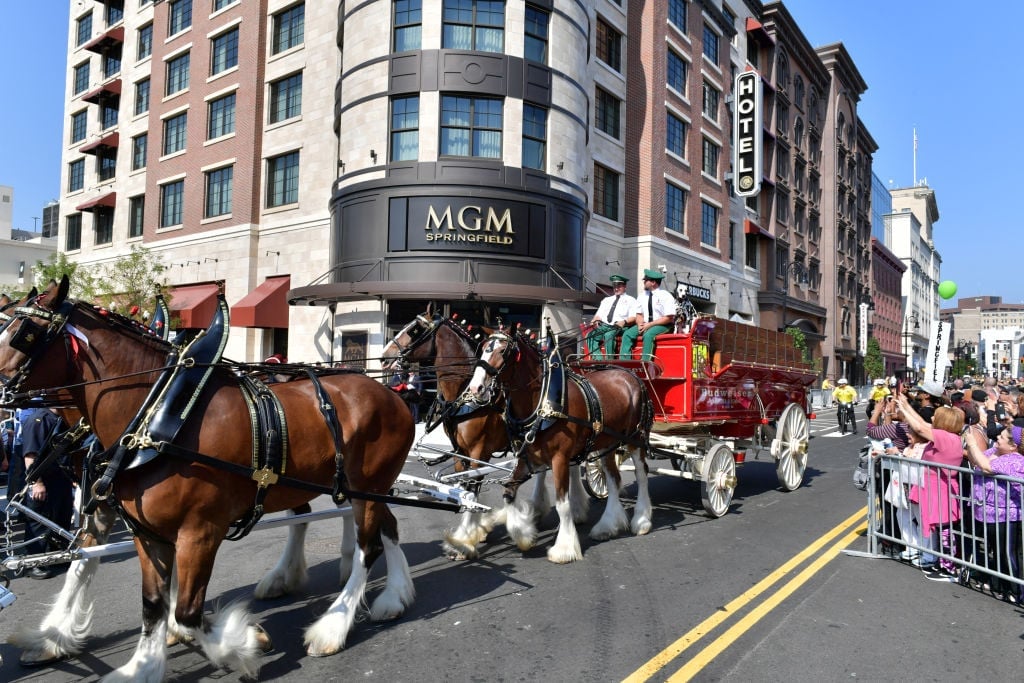
The relationship between MGM Resorts and Springfield, Massachusetts has deteriorated into open legal conflict. On September 4, 2026, the City of Springfield filed suit in Hampden Superior Court against MGM and its Blue Tarp Redevelopment subsidiary, alleging material breaches of the Host Community Agreement (HCA) signed in 2013. The complaints center on three main areas: MGM's failure to maintain a workforce of at least 3,000 employees, non-compliance with gaming floor specifications (the agreement requires between 2,800 and 3,000 slot and video gaming machines plus 75 to 100 table games), and the long-delayed redevelopment of 101 State Street, a property adjacent to the casino complex that has sat largely dormant behind scaffolding and Jersey barriers for seven years.
MGM Springfield, which opened in August 2018 following a roughly $960 million investment, was initially heralded as a transformative project for the city's downtown. However, the partnership has soured significantly. Springfield Mayor Domenic Sarno's administration spent nearly two years attempting to negotiate compliance before resorting to litigation. City Solicitor Stephen Buoniconti stated that the lawsuit became necessary after extended discussions failed to yield results.
MGM's response was swift and combative. The company called the litigation "frivolous" and pivoted to its own narrative: that Springfield officials have been systematically obstructing a proposed sale of the property to another casino operator. According to MGM's statement, the company notified Mayor Sarno and other city representatives in early 2024 of a potential transaction with an unnamed "well-qualified casino operator." MGM claims to have provided detailed information about the prospective buyer's plans and assurances regarding continued HCA compliance.
The sale discussions reportedly progressed further than previously disclosed. MGM stated that it and the prospective buyer agreed to the city's preferred redevelopment plan for 101 State Street, converting it into a hotel. The company characterized this as "the most expensive option discussed" but agreed to it anyway. Despite this apparent concession, MGM alleges that Mayor Sarno's administration "continued to avoid moving the discussion forward," effectively using litigation as a delay tactic.
Springfield contests this characterization entirely. City officials dispute that a qualified buyer and concrete plans were ever properly presented, and they maintain that their lawsuit addresses legitimate contractual failures rather than obstructing legitimate business transactions. The city is arguing that the HCA disputes fall outside the agreement's "narrow arbitration clauses" and belong in court, whereas MGM and Blue Tarp have sought to move the matter into private arbitration.
This dispute highlights a recurring tension in gaming host agreements between operational realities and municipal expectations. While casinos can face genuine economic headwinds affecting employment and capital investment, cities signing such agreements typically view them as binding commitments that anchor economic development and community benefits. The Springfield case underscores how disagreements over contract performance can rapidly escalate into adversarial positions, with each party deploying litigation and public messaging to strengthen its negotiating position. The outcome may significantly influence how other casino operators and municipalities approach host agreement enforcement and gaming asset transfers.
Source
Casino.orgRelated stories
Biloxi Planning Commission Clears Path for Black Marlin Casino Development

Massachusetts Creates Statewide Exclusion Program to Combat Gambling-Related Athlete Harassment
Saskatchewan Locks in SIGA Online Gaming Monopoly Through 2029

Flutter Eyes Up to 100 Paddy Power Closures as UK Retail Betting Sector Contracts
More on CasinoAdvisor