

Based on reporting by Casino.org →
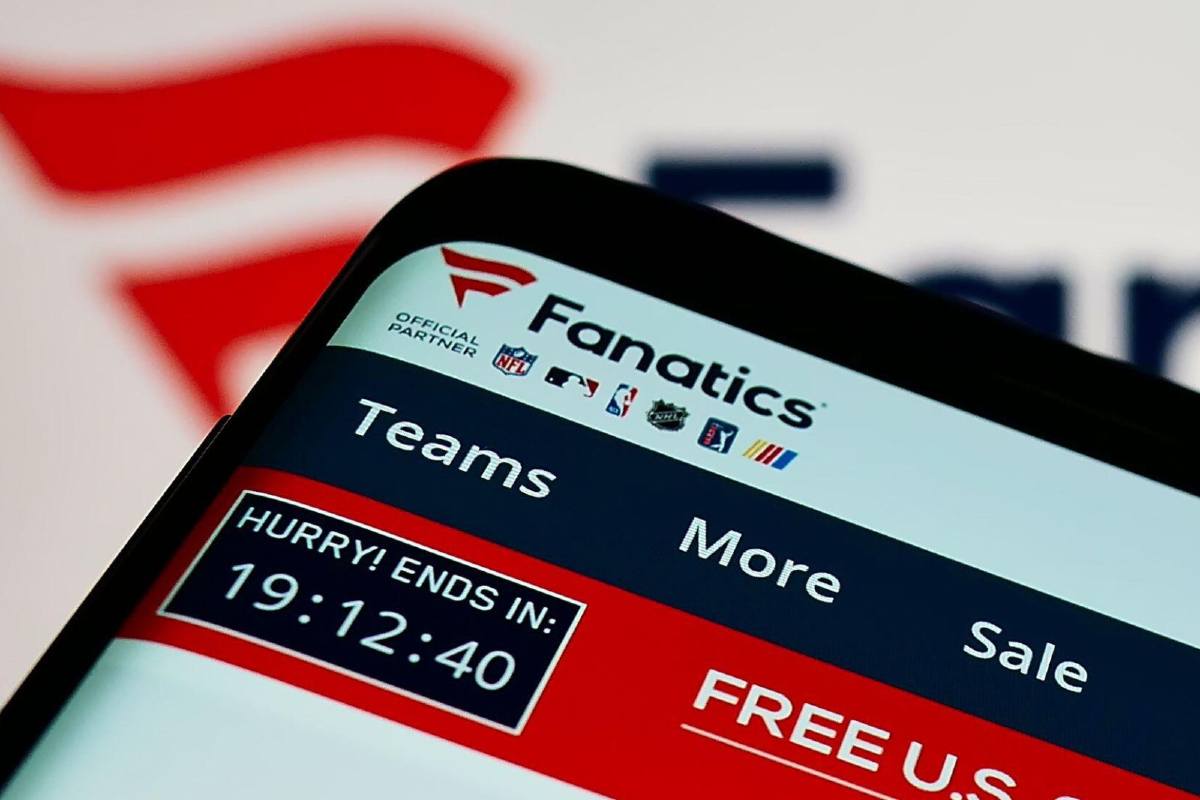
Fanatics is positioning itself as a serious challenger to the dominant duopoly of DraftKings and Flutter Entertainment's FanDuel in the U.S. online sports wagering market. According to CEO Michael Rubin, the sports merchandise and collectibles giant plans to increase its sports betting advertising expenditures to $1 billion in 2027, more than double the $350 million the company is spending this year. This aggressive marketing push represents a significant shift in capital allocation as Fanatics works to accelerate its growth in a highly competitive sector.
The company already demonstrates substantial financial capacity to execute this strategy. Fanatics is on pace to generate $14 billion in total sales this year, with $2 billion attributable to its betting and gaming division. According to Bloomberg data cited in the announcement, the company currently holds a 10% share of the U.S. sports wagering market and operates in 19 states. Notably, Fanatics carries no debt and is generating approximately $2 billion in free cash flow and $1 billion in net cash annually, providing the financial foundation to sustain aggressive customer acquisition spending without immediate profitability pressure.
Fanatics entered the online sports betting market relatively recently in 2023, making its rapid climb to a double-digit market share particularly noteworthy. The company has already secured major partnerships, recently joining DraftKings and FanDuel as an official sportsbook partner of the National Football League. This partnership provides significant visibility and credibility in a crowded marketplace where brand recognition and customer trust remain critical differentiators.
The private company status may provide Fanatics with a structural advantage that public competitors lack. While publicly traded rivals such as DraftKings have faced stock market pressure following disclosure of substantial marketing expenditures, Fanatics can operate outside the quarterly earnings scrutiny that constrains public company strategy. This allows management to redirect profitable capital from its established apparel and collectibles units toward long-term market share gains in sports betting, a strategy that would likely alarm Wall Street analysts if pursued by a publicly traded operator.
Beyond traditional sports betting, Fanatics is also positioning itself in the emerging prediction markets space. The company recently acquired a regulated exchange and clearinghouse to vertically integrate its yes/no exchange platform, signaling ambitions beyond standard sportsbook offerings. Rubin indicated that prediction markets represent new competitive dynamics for traditional operators and that regulatory changes may be forthcoming, potentially including Supreme Court intervention that could reshape the legal landscape for sports event contracts and prediction instruments.
Fanatics' trajectory reflects broader industry consolidation patterns and the continued viability of well-capitalized challengers. While the DraftKings-FanDuel duopoly has proven difficult to penetrate, Fanatics' combination of brand strength in adjacent markets, substantial free cash flow, and aggressive capital deployment suggests the competitive landscape may be shifting. Whether a $1 billion annual advertising commitment proves sufficient to achieve Rubin's stated goal of market leadership remains uncertain, but the spending scale alone indicates Fanatics intends to be more than a peripheral player in American sports wagering.
Source
Casino.orgRelated stories
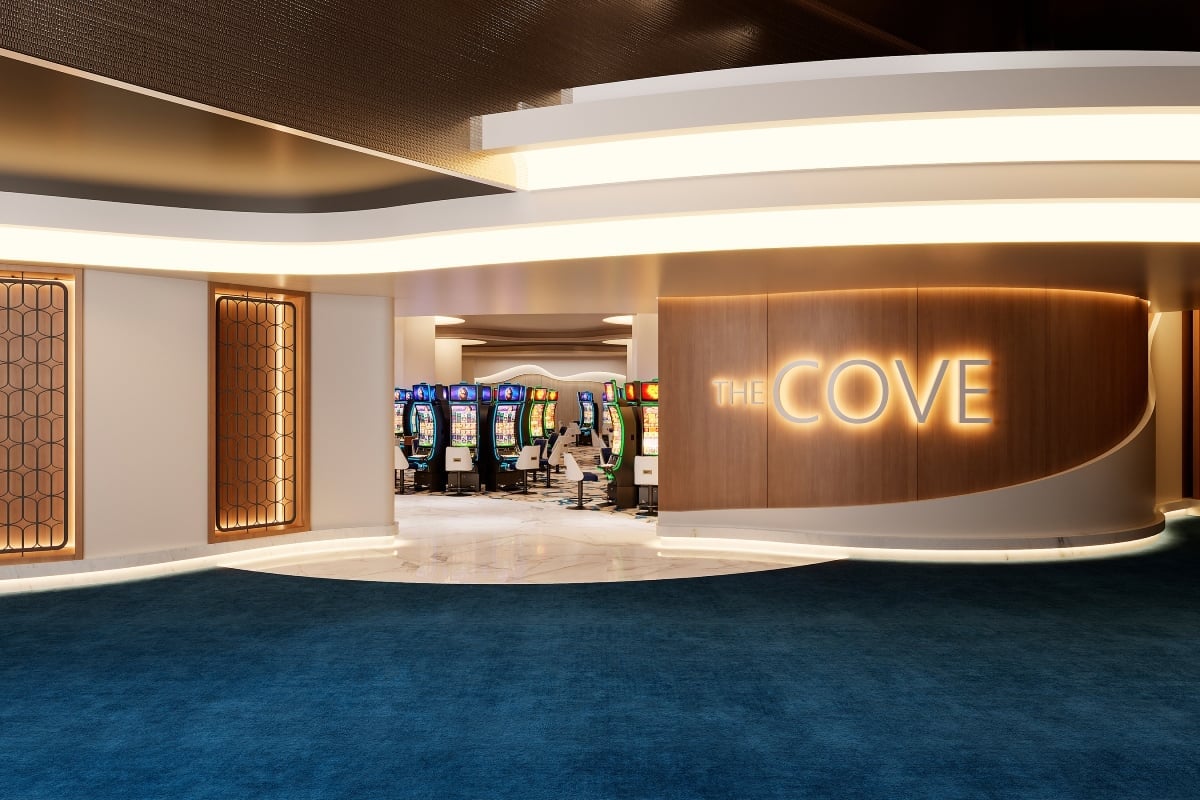
Ocean Casino Resort Invests $14M to Expand High-Limit Slot Lounge

Encore Boston Harbor Operates Amid Month-Long Strike by 1,300 Union Workers
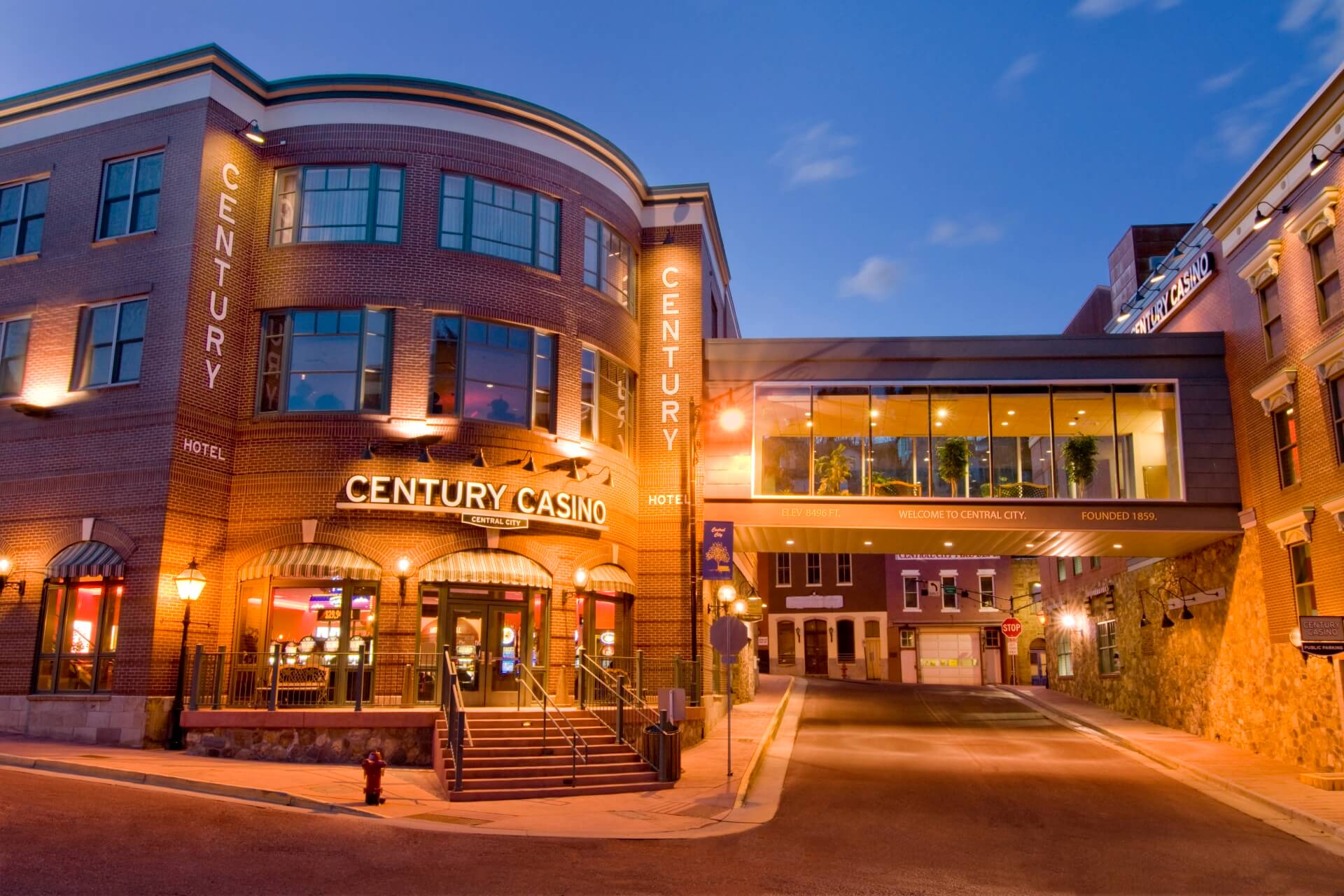
Century Casinos Sells Alberta Venues to Highfield for $16.4 Million
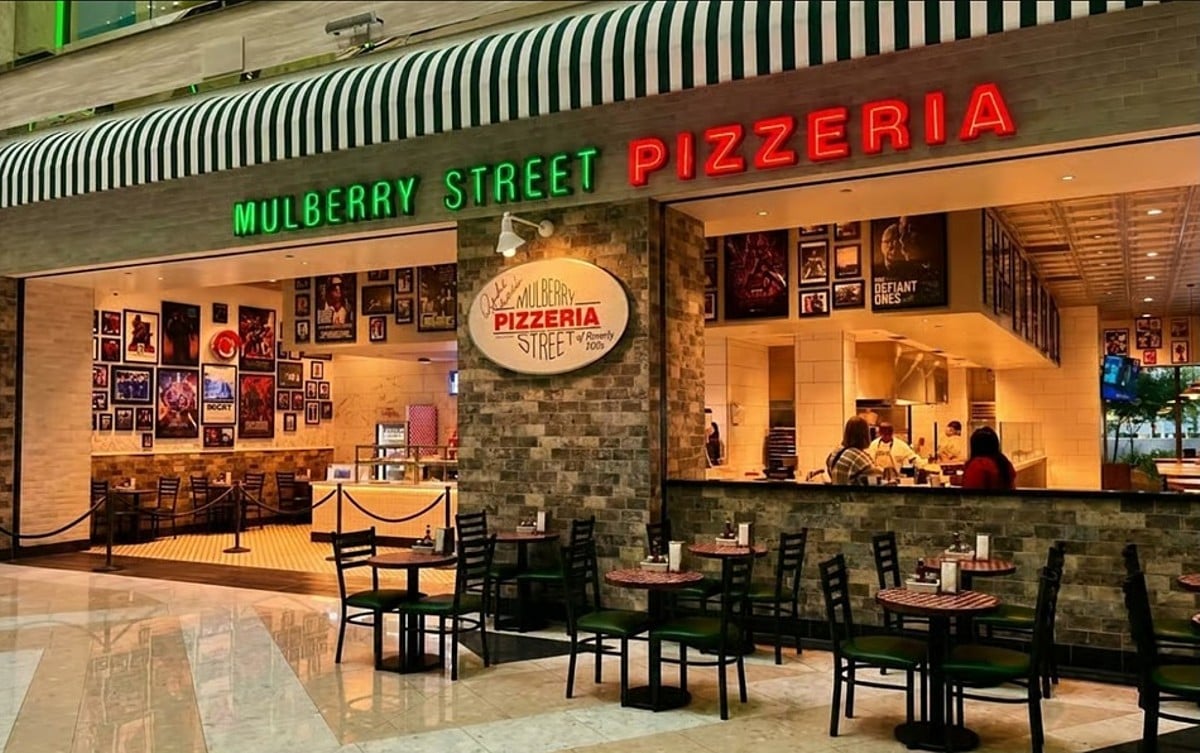
Las Vegas Casino Dining Scene Shifts: Resorts World Replaces Mulberry Street, Athletics Steakhouse Planned
More on CasinoAdvisor